
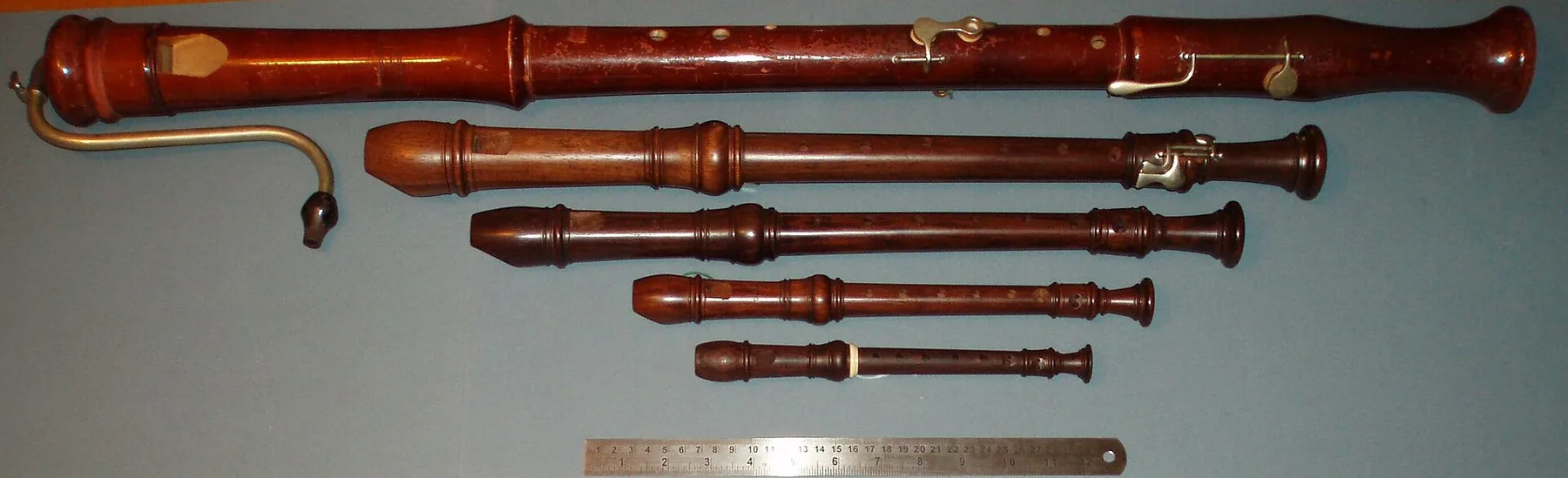

The recorder is a fascinating instrument, but mastering its sound can be challenging. If you want to improve your technique, you are in the right place!
The sound of a recorder depends on several factors. Breath control, articulation and the way you hold the instrument are essential. Mastering these elements helps you produce a clear, rich sound.
Details matter. Fingering and posture directly affect sound quality. Understanding the recorder’s structure will help you control the notes more effectively.
Practical advice from recognized sources is valuable. Explore this article for a gradual, accessible approach.
Introduction to the recorder and its fundamentals
The recorder is a simple, expressive wind instrument that is ideal for learning music. It has three main parts: the head joint, body and foot joint. Its tapered shape and system of holes make it an ideal instrument for beginners.
Overview and characteristics of the instrument
The alto recorder, the most common type, is about 47 centimeters long. Its range extends from F4 to F6. Plastic models suit beginners because they are durable and affordable, while wooden models offer the sound quality sought for classical performances.
The importance of technique and musicality
Breath control and deep breathing are essential for a clear sound. Good posture and accurate fingering help you cover the holes effectively. Initial lessons should introduce these basics gradually.
| Characteristic | Description | Importance |
|---|---|---|
| Tapered shape | Three-part structure | Makes it easier to produce sound |
| Wide range | From F4 to F6 | Allows considerable musical expression |
| Materials | Plastic or wood | Affect sound quality |
| System of holes | Controlled by the fingers | Requires precise technique |
| Educational use | Teaching instrument | Ideal for an introduction to music |
Technique and musicality are central to learning. Mastering the basics helps you produce a good sound and develop the musical ear you need to progress.
How can you improve your recorder sound?
The sound of a recorder depends on several factors. Breath control, articulation and the way you hold the instrument are essential. Mastering these elements helps you produce a clear, rich sound.
The basics of breathing and articulation
Breath control is crucial for producing a clear, steady sound. Diaphragmatic breathing is recommended because it helps maintain a consistent airflow. The mouthpiece also plays an important role: the airflow must be directed precisely to produce the sound correctly.
Articulation is essential for clear notes. Starting and stopping the sound with the tongue, as though saying “too,” separates notes cleanly and makes the melody more precise.
Correcting common mistakes
Beginners often have difficulty controlling their airflow and posture. Shallow breathing can produce a weak sound, while poor posture can make the instrument harder to hold. Breathing exercises and regular practice can help correct these mistakes.
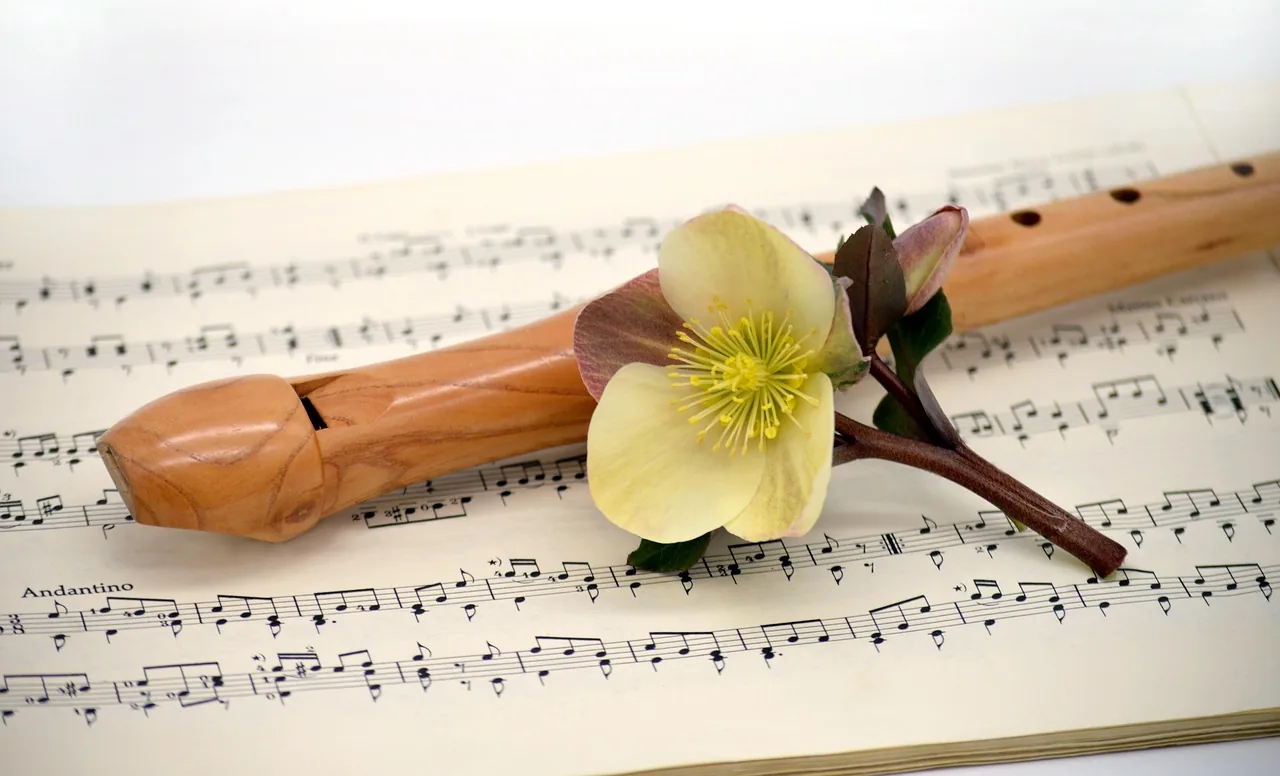
Regular practice is essential for developing good technique. Warm-up exercises such as scales and arpeggios help strengthen the breathing muscles and improve finger coordination. These exercises resemble the work on first notes in class, which emphasizes gradual progress and accuracy.
A teacher also plays a crucial role. They can provide individual guidance, correct technical mistakes and suggest exercises suited to the student’s level. If you want to learn more about teaching methods, you can follow this link for practical advice and useful resources.
Holding the instrument, fingering and playing technique
How you hold the recorder is essential to producing a clear, controlled sound. Good posture and precise finger placement help you master the instrument.
Adopting good posture and a comfortable grip
Body position is crucial. Stand or sit upright, with relaxed shoulders and your back leaning slightly forward. The instrument should rest on your lips and right thumb so that you do not support it with your left hand. This balanced grip helps you play accurately.
Your head should tilt slightly forward so your lips cover the mouthpiece properly. Position your fingers so you can easily cover and uncover the holes. This posture helps keep your body and the instrument balanced.
Fingering and coordination exercises
Fingering exercises are essential for coordinating your fingers and breath. Beginners can start with simple exercises, gradually covering and uncovering the holes. These exercises develop your sense of touch and improve accuracy.
The tongue also plays an important role. Using it to begin notes, as though saying “too,” separates them clearly. Combined with controlled breathing, this technique supports accurate, expressive playing.
| Aspect | Description | Importance |
|---|---|---|
| Posture | Stay upright with relaxed shoulders | Allows optimal control of the instrument |
| Finger placement | Place fingers accurately over the holes | Produces clear notes |
| Use of the tongue | Begin notes as though saying “too” | Improves clarity and accuracy |
To develop these techniques further, consult this tutorial, which offers practical exercises and detailed advice.
Practical exercises and online resources
Improving your recorder technique takes focused exercises and modern tools. Online resources offer ways to strengthen your skills, whatever your level.
Breathing and airflow control exercises
Breath control is essential for a clear, steady sound. Deep breathing exercises inspired by yoga techniques can help maintain a consistent airflow. Combined with exercises that lengthen musical phrases, they can strengthen the breathing muscles and improve stamina.
You can develop a steadier sound with dynamic exercises that vary the intensity of your breath to create noticeable contrasts in sound. Often presented in video tutorials, these exercises provide a structured way to progress.
Digital tools and note-reading games
Apps and online games are valuable tools for improving note reading and rhythm. Platforms such as Yousician offer interactive exercises that make daily practice more engaging. These digital tools let you practice at your own pace while having fun.
Video tutorials on sites such as YouTube offer practical advice on improving articulation and fingering. These often-free resources are ideal for supplementing traditional lessons.
Using video tutorials and specialized platforms
Video tutorials are a good way to discover new techniques and benefit from individual advice. For example, videos can demonstrate how to improve rhythmic flow or articulation. These resources are particularly useful for self-taught players.
Platforms such as SkillShare offer comprehensive courses combining theory and practice. These tools suit people who want to deepen their musical knowledge.
Regular practice is the key to overcoming difficulties. Even ten minutes a day can make a big difference. Physical exercises combined with digital tools offer a balanced approach to making rapid progress.
A personalized approach to making rapid progress
A method tailored to each student’s needs is essential for effective progress. Individual instruction helps identify areas for improvement and strengthen existing skills.
The role of a teacher and tailored lessons
An experienced teacher plays a crucial role in improving technique. They can correct mistakes as they happen and suggest exercises suited to the student’s level. For example, teachers on the Allegro Musique platform draw on their experience to offer individual guidance that speeds up learning.
Tailored lessons adapt to each student, whether a beginner or an experienced musician. Private lessons provide the individual attention needed for rapid, meaningful progress.
Practical tips and professional advice
To benefit from professional advice, practice regularly, even for short periods. For example, deep breathing exercises inspired by yoga techniques can help maintain a consistent airflow.
Apps such as Yousician offer interactive exercises that make practice more engaging. Video tutorials on YouTube also provide practical advice on improving articulation and fingering.
In conclusion, a personalized approach combined with modern tools and regular practice is the key to progressing quickly on the recorder. An experienced teacher and tailored lessons can help you improve significantly.
Conclusion
Regular practice is the key to improving your recorder technique. Breath control, fingering and the way you hold the instrument are essential to producing a clear, rich sound. A gradual, personalized approach helps identify areas for improvement and adapt the method to each level.
Online resources, including video tutorials and interactive apps, offer practical ways to strengthen your skills. Remember to explore useful links such as this tutorial to deepen your knowledge.
Persevere and put everything you have learned into practice. Mastering the instrument will help you achieve your best sound. Explore other resources to keep progressing.
FAQ
What are the basics of playing the recorder well?
How do I choose exercises suited to my level?
How important is breathing when playing?
Can I learn the recorder without a teacher?
How can I improve my fingering technique?
What are the common difficulties?
What role does the tongue play?
How can I progress quickly?
Which online resources are recommended?
Source links
- https://www.orchestredecaen.fr/debuter-la-flute-a-bec-guide-pour-les-novices/
- https://www.yamaha.com/en/musical_instrument_guide/recorder/play/
- https://www.metmuseum.org/essays/the-development-of-the-recorder
- https://www.metmuseum.org/essays/the-development-of-the-recorder
- https://americanrecorder.org/how_to_play_the_recorder.php
- https://americanrecorder.org/how_to_play_the_recorder.php
- https://www.metmuseum.org/essays/the-development-of-the-recorder
- https://www.yamaha.com/en/musical_instrument_guide/recorder/play/
- https://www.yamaha.com/en/musical_instrument_guide/recorder/play/
- https://www.yamaha.com/en/musical_instrument_guide/recorder/play/
- https://americanrecorder.org/how_to_play_the_recorder.php
- https://americanrecorder.org/how_to_play_the_recorder.php
- https://americanrecorder.org/how_to_play_the_recorder.php
- https://americanrecorder.org/how_to_play_the_recorder.php
- https://americanrecorder.org/how_to_play_the_recorder.php
- https://americanrecorder.org/how_to_play_the_recorder.php