
The story of Orchestre de Caen
Orchestre de Caen is a shared passion. Born of our love of music, we share its brilliance through our words and melodies, bringing hearts together in harmony.
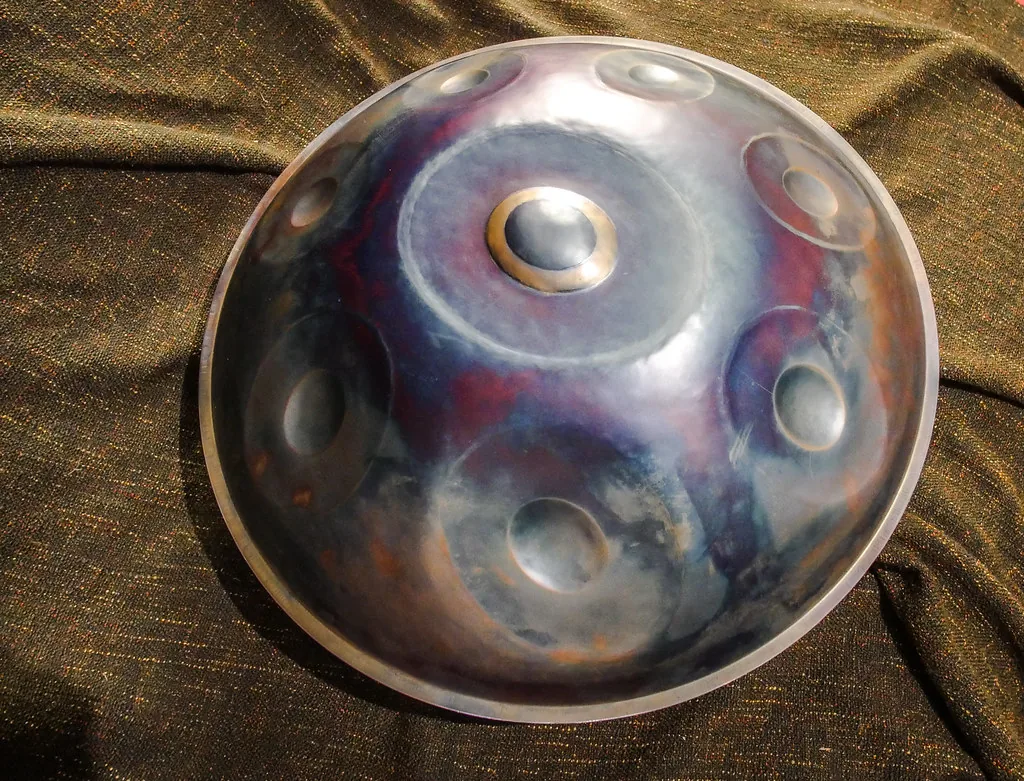
“In every note lies a world where emotions dance and souls meet in harmony.”
Maestro
How does music affect our emotions and moods?
Music is a powerful force that can deeply influence our emotions and moods. It affects us in different ways: it can lift us into a state of euphoric happiness, soothe us in times of sadness, or motivate us during periods of intense work.
When we listen to music, our brains respond in complex ways. Sounds and rhythms trigger the release of neurotransmitters such as dopamine, which is associated with pleasure and reward. This may explain why we often feel good when we listen to music we love. Music can also stimulate the release of endorphins, which act as natural painkillers and can help relieve stress and anxiety.
Different types of music have different emotional effects. For example, fast, rhythmic music can energize and motivate us, while slow, melancholic music can evoke sadness or nostalgia. Song lyrics can also play an important role in how we interpret music and the emotions it stirs in us. Songs with positive lyrics can strengthen our sense of happiness, while melancholic lyrics can prompt us to reflect on our own experiences and emotions.
Music can also transport us through time and space by reviving memories and past experiences. A particular song can instantly take us back to a specific moment in our lives, whether joyful or difficult, and evoke a whole range of emotions associated with that event.
Ultimately, music’s effect on our emotions and moods is deeply personal and can vary from one person to another depending on their life experiences, musical preferences, and current emotional state. Still, music undeniably has the power to touch us deeply and enrich our lives in meaningful ways.
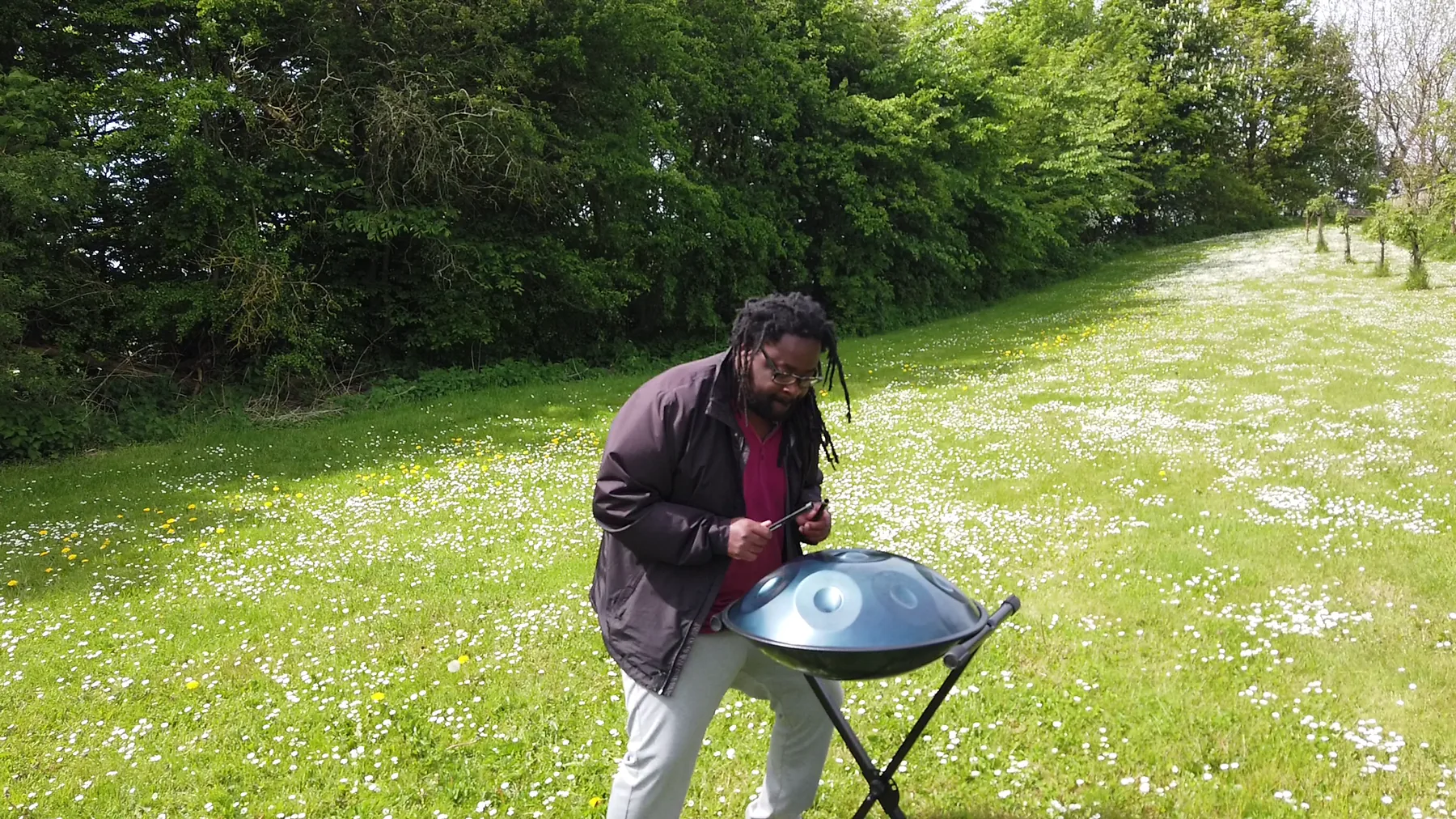
The evolution of music across cultures and eras
Music reflects cultures and eras around the world, and its evolution mirrors the social, political, and technological changes that shape our history. Over the centuries and across continents, music has taken countless forms, adapting to the values, beliefs, and traditions of each society.
In ancient times, music was often closely tied to religious rituals, community celebrations, and oral traditions. Early musical instruments, such as drums, flutes, and harps, accompanied these social and spiritual events, creating a connection between people and their surroundings.
Over time, cultural exchange and travel enriched music by enabling the sharing of techniques, instruments, and styles between different regions of the world. For example, the Silk Road trade routes encouraged musical exchange between Europe, the Middle East, and Asia, while the transatlantic slave trade brought African rhythms and traditions to the Americas.
The advent of music printing during the Renaissance allowed compositions to circulate more widely, while the invention of sound recording in the nineteenth century revolutionized how music was created, distributed, and consumed. Genres such as jazz, blues, rock, and hip-hop emerged from specific cultural contexts, reflecting the social struggles, liberation movements, and demographic changes of their respective eras.
Today, globalization and technological advances have opened new horizons for music, enabling cross-border collaborations and unprecedented blends of styles. Artists around the world can connect and share their music instantly through the Internet and streaming platforms, creating a diverse and dynamic musical landscape.
In short, the evolution of music across cultures and eras is a testament to human creativity, our ability to adapt and innovate, and our innate desire to express ourselves through the universal language of music.
Top articles
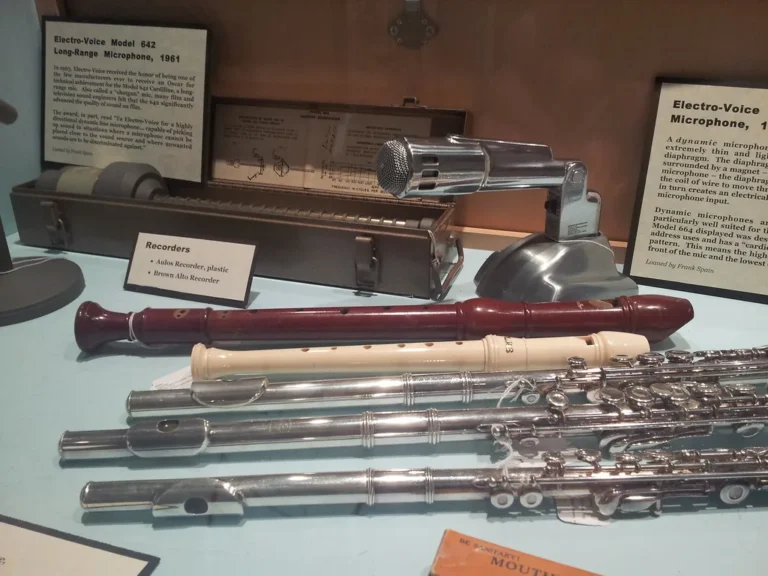
Can You Play Jazz on the Recorder?
Can you play jazz on the recorder? Discover the possibilities and techniques for playing jazz on the recorder.
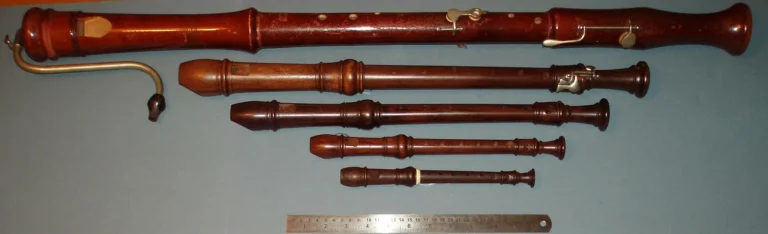
How can you improve your recorder sound?
How can you improve your recorder sound? Take your playing to the next level with detailed tutorials and professional advice.

How can you read recorder sheet music easily?
How can you read recorder sheet music easily? A complete guide with beginner tips, clear steps and practical advice.