
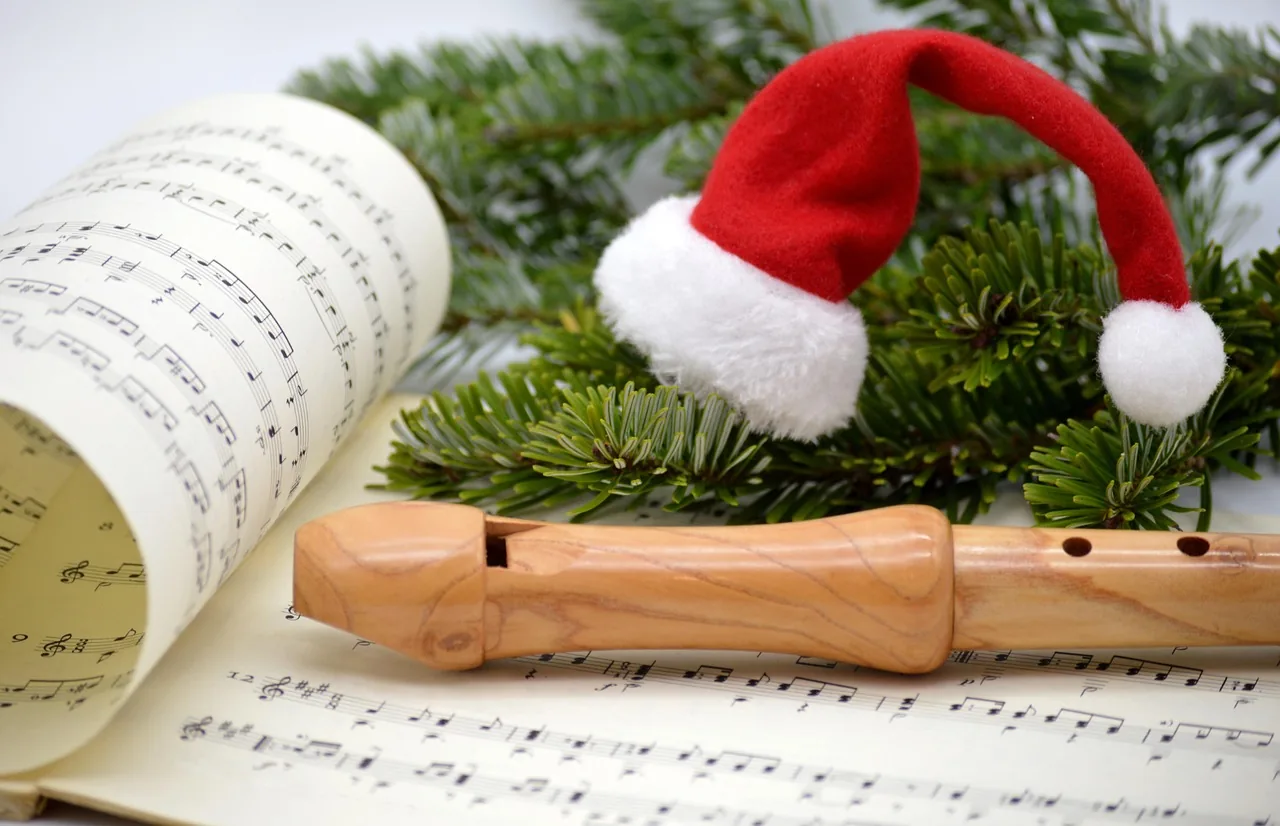

The recorder, also known as a fipple flute, is a woodwind instrument with a beak-shaped mouthpiece. Its history reaches back to the Middle Ages and the Renaissance, when it was very popular. The instrument declined in popularity from the late 18th century but enjoyed renewed interest in the 20th century thanks to technological innovations.
Recorders come in a variety of sizes and models, from the sopranino to the sub-bass. Each size has its own role in musical ensembles and offers a distinct range and tone. For example, the soprano recorder is often used in Baroque music, while the bass recorder provides deep, low notes.
These instruments have a windway and a labium, two features essential to their sound. Historical studies show that the recorder underwent significant changes, particularly in its design and repertoire. Innovations in instrument making have also produced more versatile and accessible recorders.
This article explores the recorder’s history, technique, and musical uses, introducing its different families and their distinctive features. We will also discuss its development over the centuries and its rich repertoire, which stretches from the 15th century to the present day.
Introduction to the recorder
The recorder, also known as a fipple flute, is a wind instrument with a beak-shaped mouthpiece. It belongs to the woodwind family, which gives it a distinctive and expressive sound.
Definition and origins
This instrument has very ancient roots reaching back to prehistoric times. Early flutes were made from hollow materials such as bone or bamboo. From the Renaissance onward, the use of wood helped refine the recorder, marking a turning point in its development.
Importance in music history
The recorder played a central role in Baroque music, particularly in ensembles. It made complex, expressive melodies possible. It is also known as the “English flute,” a name that reflects its cultural influence.
The recorder family includes instruments of various sizes, such as the alto, each with its own role in musical ensembles. Studying their origins is essential to understanding the development of music and their influence on today’s repertoire.
The move to worked wood during the Renaissance made it possible to develop more versatile instruments. This improved sound quality and expanded the recorder’s uses in different musical settings.
Learn more about the recorder’s history and development on Wikipedia.
The different families of recorders explained
The modern classification of recorders runs from the exilent to the sub-bass, offering a wide variety of ranges. Each size has its own acoustic characteristics, related to the instrument’s length and width.
Higher-pitched models, such as the soprano, suit complex melodies, while lower-pitched models, such as the bass and contrabass, provide deep, low notes. This variety allows ensembles to cover a broad range of sounds.
| Size | Range | Length (cm) | Frequency (Hz) |
|---|---|---|---|
| Exilent | C5 | 25 | 2,744 |
| Sopranino | F5 | 30 | 1,680 |
| Soprano | C4 | 35 | 1,040 |
| Alto | F3 | 40 | 659 |
| Tenor | C3 | 45 | 523 |
| Bass | F2 | 50 | 330 |
| Great bass | C2 | 55 | 262 |
| Contrabass | F1 | 60 | 175 |
| Sub-bass | C1 | 65 | 130 |
Since the Middle Ages, the recorder has undergone major changes, particularly during the Renaissance and the Baroque period. In the century of the Enlightenment, it lost popularity, but it attracted renewed interest in the 20th century thanks to technological innovations.
Historical ensembles such as Renaissance-Consort showcase recorders of different sizes. The soprano and tenor are often used for melodies, while the bass and contrabass provide harmony.
The instrument’s length plays a decisive role in the frequency of the note it produces. The longer the recorder, the lower its notes. This physical relationship helps explain the tone and intonation of each size.
History and development of the recorder
The recorder has developed over the centuries through technical changes and musical adaptations. Its history stretches from prehistoric times to the Baroque period, with innovations that shaped its sound and use.
From prehistoric times to the Middle Ages
The earliest recorders were made from bone and reeds. In the Middle Ages, the use of wood made more elaborate instruments possible. The first documented description of the recorder dates from 1481–1483: in his treatise, Johannes Tinctoris mentions an instrument with seven holes at the front and one at the back.
The Renaissance and Baroque period
During the Renaissance, the recorder underwent major changes. The introduction of the labium improved its sound, while the design of the fipple flute expanded its musical possibilities. The contrabass was added, providing a lower range. These innovations made the instrument indispensable in Baroque music, with composers such as Bach and Vivaldi using it in their works.
The recorder became more versatile, with a variety of sizes meeting the needs of ensembles. Its gentle, expressive tone helped define the Baroque period, although it lost popularity in the late 18th century.
Technical characteristics and construction methods
The recorder is a woodwind instrument with a beak-shaped mouthpiece. Its history reaches back to the Middle Ages and the Renaissance, when it was very popular. The instrument declined in popularity from the late 18th century but enjoyed renewed interest in the 20th century thanks to technological innovations.
Essential features: the windway and labium
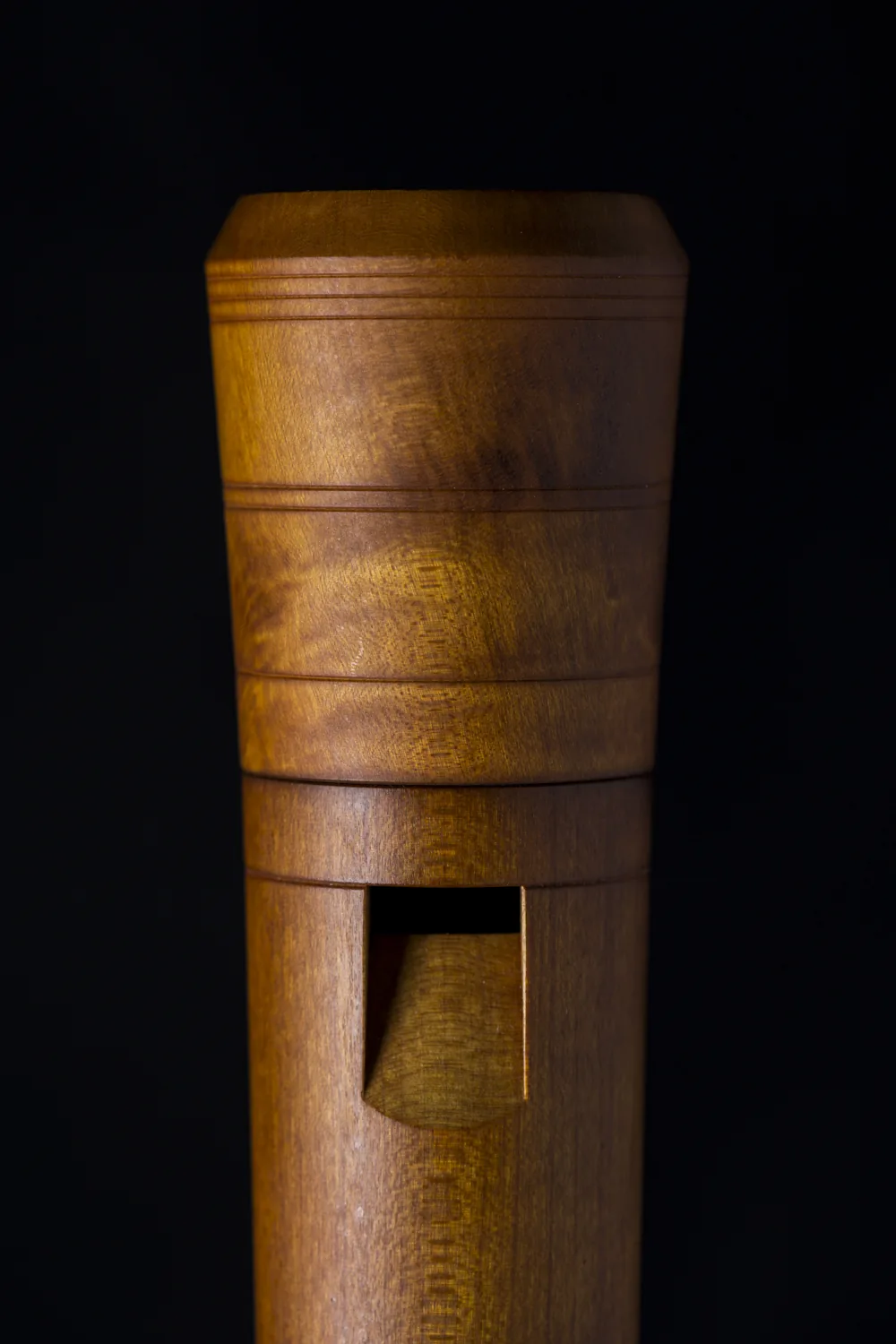
The windway and labium are essential parts of the recorder. The windway directs the airflow that produces the sound. The labium, in turn, affects the quality and strength of that sound.
| Feature | Function | Characteristics |
|---|---|---|
| Windway | Directs airflow | Variable length and width |
| Labium | Produces sound | Influences the range |
Instrument makers’ innovations and materials
Instrument makers have introduced important innovations, including the use of traditional materials and plastics. These innovations have made recorders more versatile and accessible.
Learn more about the recorder’s history and development on this page.
Types and classification of sizes and models
Recorders come in a wide variety of sizes and models, each meeting specific needs for range and tone. This modern classification, derived from the Baroque era, covers a broad span of frequencies.
Modern classification: exilent, sopranino, soprano, alto, tenor, bass, great bass, contrabass, and sub-bass
Recorders are classified mainly by their range. The exilent, with its range in C5, is one of the highest-pitched models. At the other end, the sub-bass produces particularly low notes, with a range in C1.
| Size | Range | Length (cm) | Frequency (Hz) |
|---|---|---|---|
| Exilent | C5 | 25 | 2,744 |
| Sopranino | F5 | 30 | 1,680 |
| Soprano | C4 | 35 | 1,040 |
| Alto | F3 | 40 | 659 |
| Tenor | C3 | 45 | 523 |
| Bass | F2 | 50 | 330 |
| Great bass | C2 | 55 | 262 |
| Contrabass | F1 | 60 | 175 |
| Sub-bass | C1 | 65 | 130 |
Since the beginning of modern production, models have evolved to offer greater versatility. Large recorders, such as the contrabass and sub-bass, are often used for deep, low notes, while more compact models, such as the sopranino, suit complex melodies.
The use of plastic in some contemporary instruments has made the recorder more accessible while preserving its characteristic tone. Without a doubt, this innovation has helped make the instrument available to more people.
Despite these innovations, historical heritage remains central to the design of modern recorders. Makers often draw inspiration from older models while incorporating technical improvements to optimize tone and intonation.
Musical uses and repertoire through the centuries
The recorder has endured through the ages and left its mark on music history. From Baroque music to contemporary works, its repertoire has grown alongside changes in music.
Use in Baroque music and ensembles
In the Baroque era, the recorder held a central place. Composers such as Bach and Telemann included it in their works, drawing on its expressive range. Its gentle tone blended naturally into chamber ensembles, where it played a melodic role.
“The recorder was the ideal instrument for the complex melodies of the Baroque era.” (Excerpt from a study by Charlotte Schneider, 2021)
Baroque ensembles such as Renaissance-Consort showcased recorders of different sizes, each contributing its own range.
Revival of contemporary and educational repertoire
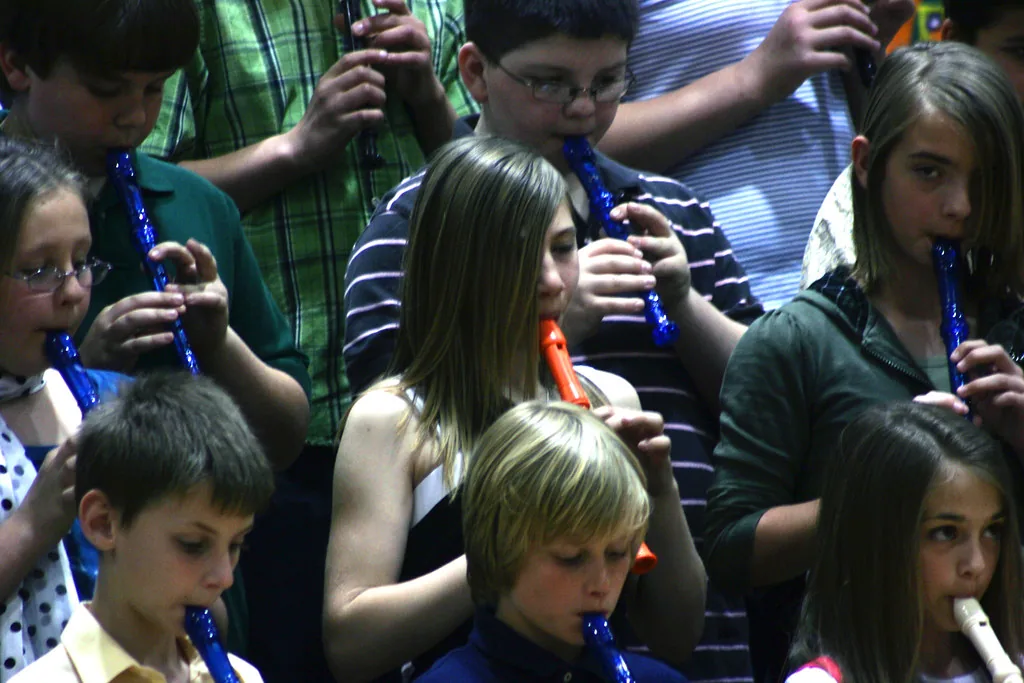
In the 20th century, the recorder experienced a revival. Thanks to innovative composers, it gained a place in contemporary music and education. Today, it is often used in schools, giving young people an accessible introduction to classical music.
Modern ensembles include the recorder in recitals and concerts, exploring new sounds. Its accessibility and versatility have made it an essential instrument in music education.
To explore the subject further, consult this document on the history of the recorder.
Cultural influence and leading figures in instrument making
The influence of instrument making on the recorder reflects a rich cultural and artistic heritage. Makers’ innovations transformed the instrument and left a lasting mark on the musical world.
Instrument making: French and British innovations
France and the United Kingdom played a central role in the recorder’s development. Renowned makers such as Hotteterre and Denner introduced major innovations. Hotteterre, in particular, refined the straight flute through changes that improved its intonation and tone. These advances helped the recorder gain popularity in royal courts and musical ensembles.
British makers, meanwhile, developed production techniques that made the instrument more accessible. Their work contributed to the creation of models such as the bass tenor, which became a mainstay of Baroque ensembles. These innovations enriched the recorder’s range and broadened its expressive possibilities.
Famous performers and their impact
Legendary performers brought the recorder to stages around the world. Frans Brüggen and René Clemencic, among others, changed how the instrument was perceived. Their passionate performances and technical mastery inspired generations of musicians. Brüggen, in particular, championed the recorder and brought it to prominence in a variety of musical settings.
The number of recorders preserved in museums attests to the instrument’s historical importance. Rare models, including some 18th-century bass tenor recorders, are now on display and offer a glimpse of the craftsmanship of their time. These instruments are both collectors’ pieces and sources of inspiration for modern makers.
Cultural exchanges between countries also played a key role. French and British makers influenced each other’s techniques, creating an artistic heritage that crosses borders. Today, the recorder continues to travel the world, bringing musicians and audiences together through the beauty of its sound.
Conclusion
The recorder has a rich historical heritage. The development of this iconic instrument reflects musical and cultural changes over the centuries. Its origins reach back to prehistoric times, and its distinctive tone has marked entire eras, from the Renaissance to the present day.
From the introduction of the labium in the Renaissance to the use of modern materials, the recorder has undergone major innovations. These advances improved its tone and expanded its musical possibilities, making it accessible to a wider audience.
Today, the recorder holds a central place in music education and in genres ranging from classical music to jazz. Its origins and development continue to inspire musicians and makers, while its unmistakable sound endures through the ages.
To deepen your understanding of this instrument, we invite you to explore the available specialist resources and books. Despite the challenges it faces, the recorder remains a symbol of musical creativity and cultural heritage.
FAQ
What are the origins of the recorder?
What sizes of recorder are there?
What gives the recorder its characteristic tone?
What repertoire is associated with the recorder?
What materials are used to make a recorder?
How can you learn to play the recorder?
What is the history of the recorder?
Why is it called a recorder?
Source links
- https://en.wikipedia.org/wiki/Recorder_(musical_instrument)
- https://en.wikipedia.org/wiki/Recorder_(musical_instrument)
- https://en.wikipedia.org/wiki/Recorder_(musical_instrument)
- https://en.wikipedia.org/wiki/Recorder_(musical_instrument)
- https://en.wikipedia.org/wiki/Recorder_(musical_instrument)
- https://en.wikipedia.org/wiki/Recorder_(musical_instrument)
- https://en.wikipedia.org/wiki/Recorder_(musical_instrument)
- https://en.wikipedia.org/wiki/Recorder_(musical_instrument)
- https://en.wikipedia.org/wiki/Recorder_(musical_instrument)
- https://en.wikipedia.org/wiki/Recorder_(musical_instrument)
- https://en.wikipedia.org/wiki/Recorder_(musical_instrument)
- https://en.wikipedia.org/wiki/Recorder_(musical_instrument)
- https://en.wikipedia.org/wiki/Recorder_(musical_instrument)
- https://en.wikipedia.org/wiki/Recorder_(musical_instrument)
- https://en.wikipedia.org/wiki/Recorder_(musical_instrument)