
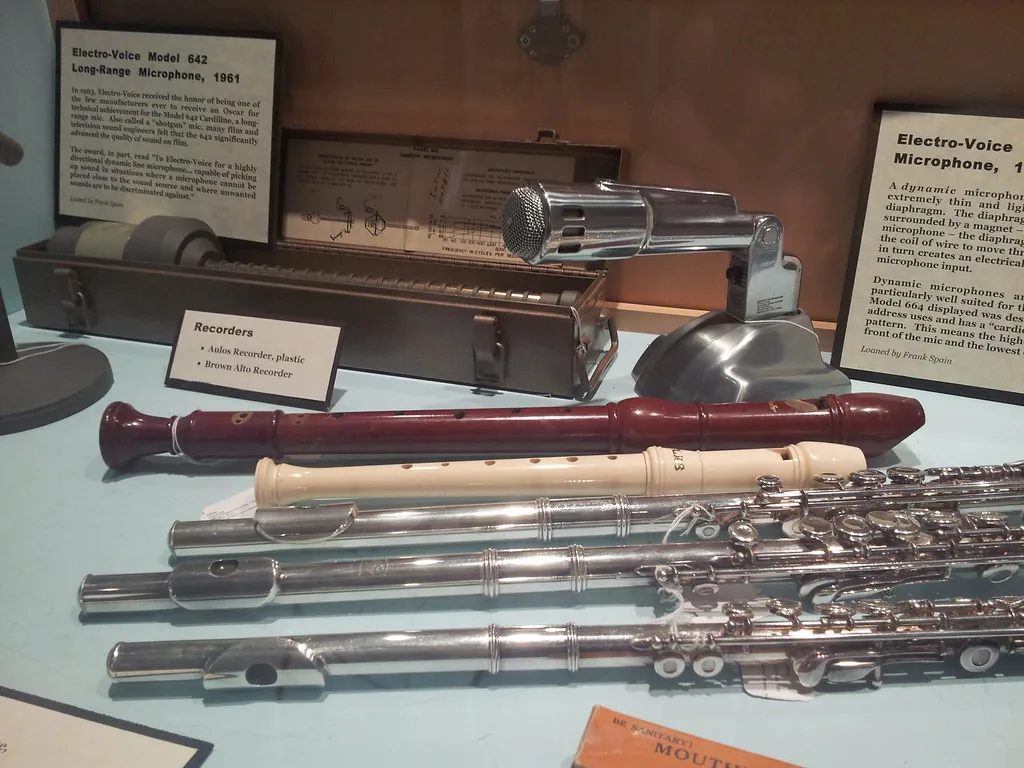

The recorder, an instrument with ancient origins, is often associated with classical or medieval music. However, its place in jazz is a subject of lively debate. Although instruments such as the saxophone and trumpet traditionally come to mind in jazz, the recorder also has a place in this musical world.
Since the twentieth century, the rediscovery of the recorder has led to its use in various styles, including jazz. Contemporary musicians draw on its versatility and show that it can adapt to a wide range of repertoire. This article examines the techniques and challenges involved in playing jazz on the recorder.
Although it differs from reed instruments, the recorder has a distinctive sound that can enrich jazz compositions. We will look at how this instrument, often confined to classical music, has entered the world of jazz. We will also explore the innovations that have helped bring about this musical development.
The history and development of the recorder
The recorder, whose origins are traced back to prehistory, has undergone centuries of musical development. Rooted in ancient traditions, it has played a part in music history since its beginnings more than 20,000 years ago.
Origins and ancient traditions
The earliest flutes, made from bone or wood, were used in rituals and ceremonies. Their distinctive sound captivated civilizations around the world. These ancient instruments laid the foundations for a rich and varied repertoire.
Its twentieth-century revival and role in education
In the twentieth century, the recorder enjoyed a revival, particularly in schools. Its adaptability in school ensembles made it a popular teaching instrument. It also found a place in conservatories and contemporary repertoire.
| Period | Development | Influence |
|---|---|---|
| Prehistory | Bone flutes | Rituals and ceremonies |
| Twentieth century | Revival in education | School ensembles |
| Contemporary era | Electroacoustic recorder | Jazz and experimental music |
The electroacoustic recorder, invented in 1995, opened up new possibilities for jazz musicians. Learn more about its development.
Can you play jazz on the recorder?
Although traditionally associated with classical music, the recorder has found a place in other genres, including jazz. It can be adapted to this style, but doing so requires specific techniques.
Techniques for adapting the instrument to jazz
Playing jazz on the recorder calls for mastery of certain techniques. Breath control and rhythmic precision are essential. You also need to play flexibly to respond to the improvisation characteristic of jazz.
- Use deep-breathing techniques to sustain long phrases.
- Adapt the instrument’s range to jazz standards.
- Incorporate ornaments and changes in dynamics.
Challenges of repertoire and performance
Jazz repertoire presents technical challenges. The recorder must be played with precision and expression, even in complex passages. Lucie Horsch, a renowned recorder player, has combined classical techniques with jazz to overcome these difficulties.
Lucie Horsch’s influence on perceptions of the instrument
Lucie Horsch, a young Dutch recorder player, has made her mark on the music world with her distinctive approach to the instrument. Having discovered it in childhood, she has explored its possibilities by combining classical technique with jazz innovations.
Lucie Horsch and her early career
Lucie Horsch began playing the recorder at the age of five and quickly showed exceptional talent. Her dedication and passion led her to perform at international festivals and concerts, where her skill and expressiveness captivated audiences.
Distinctive sounds and musical innovations
In Lucie Horsch’s hands, the recorder produces rich, moving sounds. She has introduced new techniques, adapting the instrument to jazz standards while preserving its classical character. “The recorder can rival the human voice in its warmth and depth,” she explains, emphasizing its ability to evoke a range of emotions.
Lucie Horsch has also explored Baroque and jazz repertoire, demonstrating the recorder’s versatility. To learn more about her concerts and projects, you can consult this year’s cultural calendar.
Practical tips for playing and caring for your instrument
Mastering the recorder requires good technique and careful maintenance. These tips from experts such as Marie-Claire Bettens and Rachel Clerc will help you improve your playing and preserve your instrument.
Playing technique and posture
- Maintain an upright posture to make breathing easier.
- Breathe deeply to sustain long phrases.
- Position your fingers carefully to play accurately.
Good posture helps prevent tension and improve sound quality.
Good maintenance practices and material choices
- Clean the inside of the recorder regularly with a soft cloth.
- Oil the wood periodically to protect it.
- Avoid extreme temperatures and humidity levels.
Choosing quality materials, such as those offered by Selmer, helps ensure better sound and greater durability.
Conclusion
The recorder, an instrument with ancient origins, has evolved over the centuries. From classical music to jazz experimentation, it has proved its versatility. Lucie Horsch, a young recorder player, has made her mark by bringing classical techniques to jazz standards, redefining the recorder’s role in contemporary music.
Specific techniques such as breath control and rhythmic precision are essential when adapting the instrument to jazz. The challenges of the repertoire and technical innovations have enabled musicians to explore new musical possibilities. Practical measures, such as regular maintenance and good mouthpiece technique, help preserve sound quality over time.
To learn to play a melody such as Au clair de la lune, discover our tutorial by clicking here. This guide will help you master the necessary fingerings and techniques.
In conclusion, the recorder is much more than a classical instrument. It invites you to explore different styles and draw inspiration from artists such as Lucie Horsch. Experiment, innovate and let your musical creativity flourish.
FAQ
What techniques do you need to play jazz on the recorder?
At what age can you start learning the recorder?
What jazz repertoire is suitable for the recorder?
How can you improve the recorder’s sound in jazz?
How does the recorder differ from other jazz instruments?
Source links
- https://luciehorsch.com/
- https://www.metmuseum.org/essays/the-development-of-the-recorder
- https://www.metmuseum.org/essays/the-development-of-the-recorder
- https://www.metmuseum.org/essays/the-development-of-the-recorder
- https://www.metmuseum.org/essays/the-development-of-the-recorder
- https://luciehorsch.com/
- https://www.metmuseum.org/essays/the-development-of-the-recorder
- https://www.metmuseum.org/essays/the-development-of-the-recorder
- https://www.orchestredecaen.fr/flute-a-bec-basse-son-riche-et-profond/
- https://www.metmuseum.org/essays/the-development-of-the-recorder