
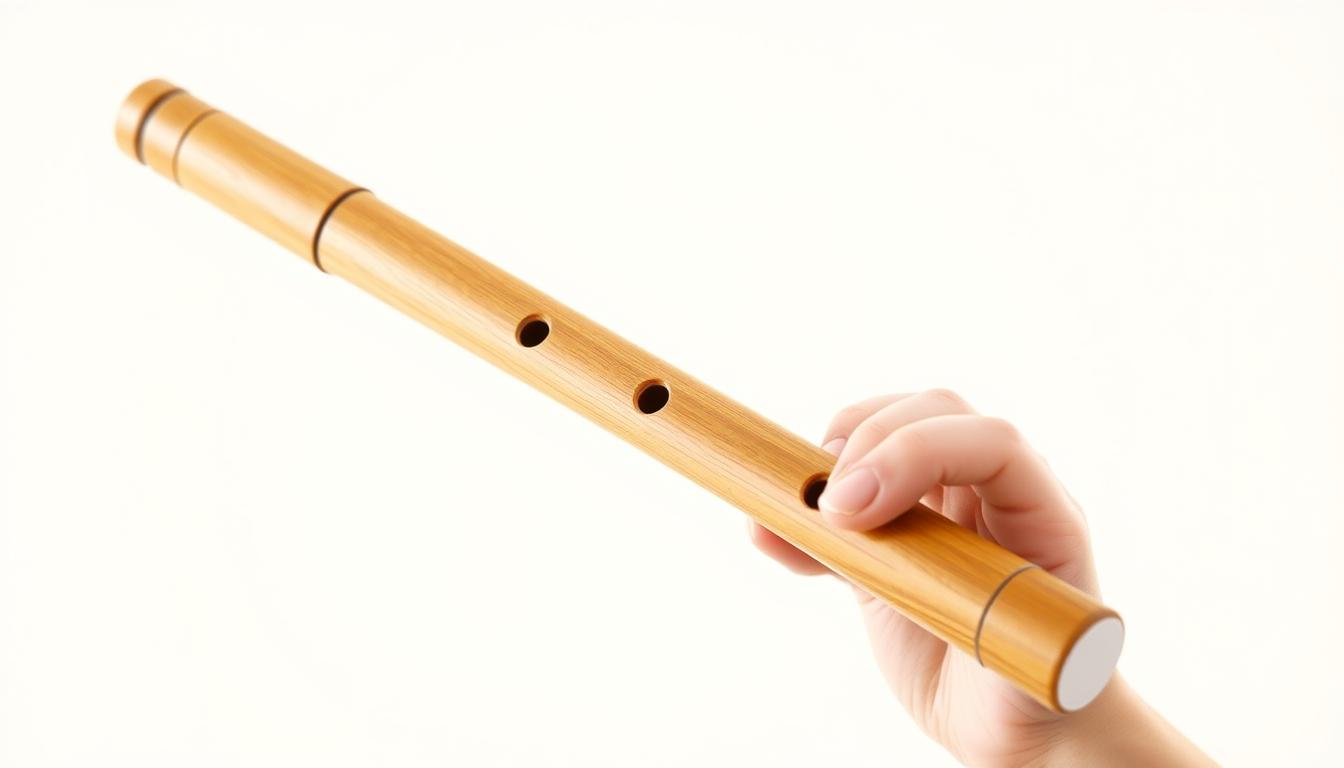

Choosing the right recorder for a beginner child is an important step in nurturing a love of music. Often a young person’s first introduction to music, this instrument should suit their age, ability and needs. With so many models available, it can be hard to know where to start.
Plastic soprano recorders, such as those offered by Moeck, are often recommended for beginners. Their durability and affordable price make them an excellent choice for children. Wooden recorders offer a richer sound, although they are more fragile. The German fingering system is generally preferred for its simplicity.
It is essential to consider factors such as pitch standard, care and accessories. A carrying case and care instructions are essential for protecting the instrument. Finally, choosing a recorder that suits the child’s ability and needs is key to a rewarding musical experience.
Introduction: why the choice matters for young musicians
Choosing a suitable recorder matters for young musicians. Often a child’s first introduction to music, this instrument directly affects their motivation and progress. An unsuitable recorder can discourage a child, while a good choice encourages learning and enjoyment.
Why choosing the right instrument matters
The quality of a recorder affects how easy it is to learn. A well-chosen instrument is more comfortable to play and produces a more pleasant sound, encouraging a child to keep practising. Its material and fingering system also play an important role in how easy it is to play.
Musical and educational benefits for children
A quality recorder helps children develop technique and musical expression. It also promotes concentration and coordination, which can benefit them in other school subjects. Playing in a musical group can also build confidence and social skills.
| Material | Advantages | Disadvantages |
|---|---|---|
| Plastic | Durable and resilient | Limited sound quality |
| Wood | Rich sound | More fragile |
In short, choosing a suitable recorder is an investment in a child’s musical education. Learn more about selection criteria and advice for beginners.
Essential criteria for choosing a recorder
Choosing a suitable recorder involves several key criteria. These help ensure an enjoyable and effective musical experience, especially for children. Material, size, pitch standard and fingering system are among the most important.
Materials: wood or plastic
Material is one of the first things to consider. Wooden recorders, such as those made from boxwood or rosewood, produce a rich, warm sound. However, they need regular care and are more fragile. Plastic models stand out for their durability and affordability, making them an excellent option for beginners. Plastic is especially suitable for children because it withstands knocks and wear better.
Size, pitch standard and fingering system
The instrument’s size also matters. A recorder that is too large can be difficult for a child to handle, so choose a model that fits their hands. Pitch standard is another factor to consider. Most recorders are tuned to modern concert pitch (A = 440 Hz), but some are available at historical pitch (A = 415 Hz). Finally, the fingering system affects how easy the instrument is to learn. The German system is generally recommended for its simplicity and accessibility.
Each of these criteria has a part to play in choosing an instrument. Explore the tutorials to master basic fingerings and improve your playing.
Which recorder should a beginner child choose? Practical advice
Choosing the right recorder for a beginner child supports their musical learning. The soprano recorder stands out as the most suitable option thanks to its standard size and ease of handling.
Why the soprano recorder suits beginners
The soprano recorder is particularly recommended for children. Its compact size and comfortable shape make it easy to hold, even for small hands. Its simple fingering system also makes the first notes easier to learn. It is an ideal instrument for introducing young musicians to music.
Recommended brands and suitable models
Several brands offer models designed with children in mind. Moeck, Yamaha and Aulos make quality soprano recorders that combine durability with a clear sound. Moeck models, for example, are known for their sturdiness, while Yamaha offers excellent resonance. Aulos offers good value for money.
To compare prices and assess quality, consulting expert reviews is advisable and, if possible, try the instrument in a shop. This helps ensure that the chosen model meets the child’s needs.
Essential accessories and instrument care
Protecting and caring for a recorder helps preserve its sound quality and extend its life. The right accessories play an important role.
Accessories for protection and transport
Essential accessories include a hard case, a cleaning swab, a soft cloth and a neck strap. They protect the instrument during travel and help prevent damage from dust or moisture. A sturdy case, such as those offered by Moeck, is particularly useful.
Cleaning tips to preserve the sound
Regular cleaning is essential. After each use, wipe away moisture with a microfibre cloth. Wooden recorders need more thorough cleaning with a cleaning rod. Plastic models can be wiped with a damp cloth. Store the instrument in a dry place away from heat.
| Accessory | Purpose | Benefit |
|---|---|---|
| Case | Protection during transport | Prevents knocks and scratches |
| Cleaning swab | Cleaning the inside | Removes moisture and residue |
| Cloth | Cleaning the outside | Prevents marks and stains |
Following these tips will extend your recorder’s life and preserve its sound quality. For more care advice, see this guide.
Where to buy a recorder and find good value
Where you shop matters when buying a recorder that suits your needs. Whether you buy in person or online, choose a reliable seller to get good value for money.
Specialist music shops let you try an instrument before buying, which is especially helpful for beginners. Experienced staff can also offer valuable advice. Online shops offer a wide selection and attractive promotions, making prices easier to compare.
To find a reliable online shop, check customer reviews, the returns policy and customer service. Compare prices and research sellers’ reputations to make the most of your budget. A good offer combines quality, guarantees and a fair price.
Sites such as Producteur Pro or specialist shops are recommended options. Buying a suitable recorder is a long-term investment in a rewarding musical experience.
Conclusion
Choosing a suitable recorder is an important step for young musicians. Often a child’s first introduction to music, this instrument directly affects their motivation and progress. An unsuitable recorder can discourage a child, while a good choice encourages learning and enjoyment.
The main criteria for choosing a recorder are material, size, fingering system and care requirements. Plastic models, such as those made by Moeck, are exceptionally durable, while wooden recorders offer a richer sound but require more careful maintenance. The German fingering system is generally preferred for its simplicity.
The soprano recorder stands out as an ideal option for children. Its compact size and comfortable shape make it easy to hold, even for small hands. Its simple fingering system also makes the first notes easier to learn. It is an ideal instrument for introducing young musicians to music.
Before buying, compare offers and consult expert reviews. Enjoyment and regular practice are the keys to a rewarding musical experience. Try different models in a shop or consult other guides to find the instrument that best meets your needs.
Choosing a quality recorder is an investment in a child’s musical education. The joy of music and its educational benefits remain at the heart of the experience. Give your child the chance to discover the recorder and open up a world of creativity and enjoyment.
FAQ
Which material should I choose for a child’s recorder?
What size recorder is suitable for a child?
How do I care for a recorder to preserve its quality?
Which brands are recommended for children?
What is the average price of a beginner recorder?
How do I choose between a soprano and a tenor recorder?
Where can I buy a quality recorder?
Which recorder accessories are essential?
Is learning to play the recorder difficult?
What sound can I expect from a plastic recorder?
Source links
- https://en.wikipedia.org/wiki/Recorder_(musical_instrument)
- https://www.orchestredecaen.fr/choisir-sa-premiere-flute-a-bec-conseils-utiles/
- https://en.wikipedia.org/wiki/Music_education_for_young_children
- https://en.wikipedia.org/wiki/Music_education
- https://en.wikipedia.org/wiki/Soprano_recorder
- https://en.wikipedia.org/wiki/Wind_instrument
- https://www.orchestredecaen.fr/debuter-la-flute-a-bec-guide-pour-les-novices/
- https://en.wikipedia.org/wiki/Recorder_(musical_instrument)
- https://en.wikipedia.org/wiki/Western_concert_flute
- https://en.wikipedia.org/wiki/Western_concert_flute
- https://en.wikipedia.org/wiki/Recorder_(musical_instrument)
- https://en.wikipedia.org/wiki/Recorder_(musical_instrument)
- https://en.wikipedia.org/wiki/Alto_recorder
- https://en.wikipedia.org/wiki/Western_concert_flute
- https://en.wikipedia.org/wiki/Recorder_(musical_instrument)
- https://en.wikipedia.org/wiki/Recorder_(musical_instrument)