
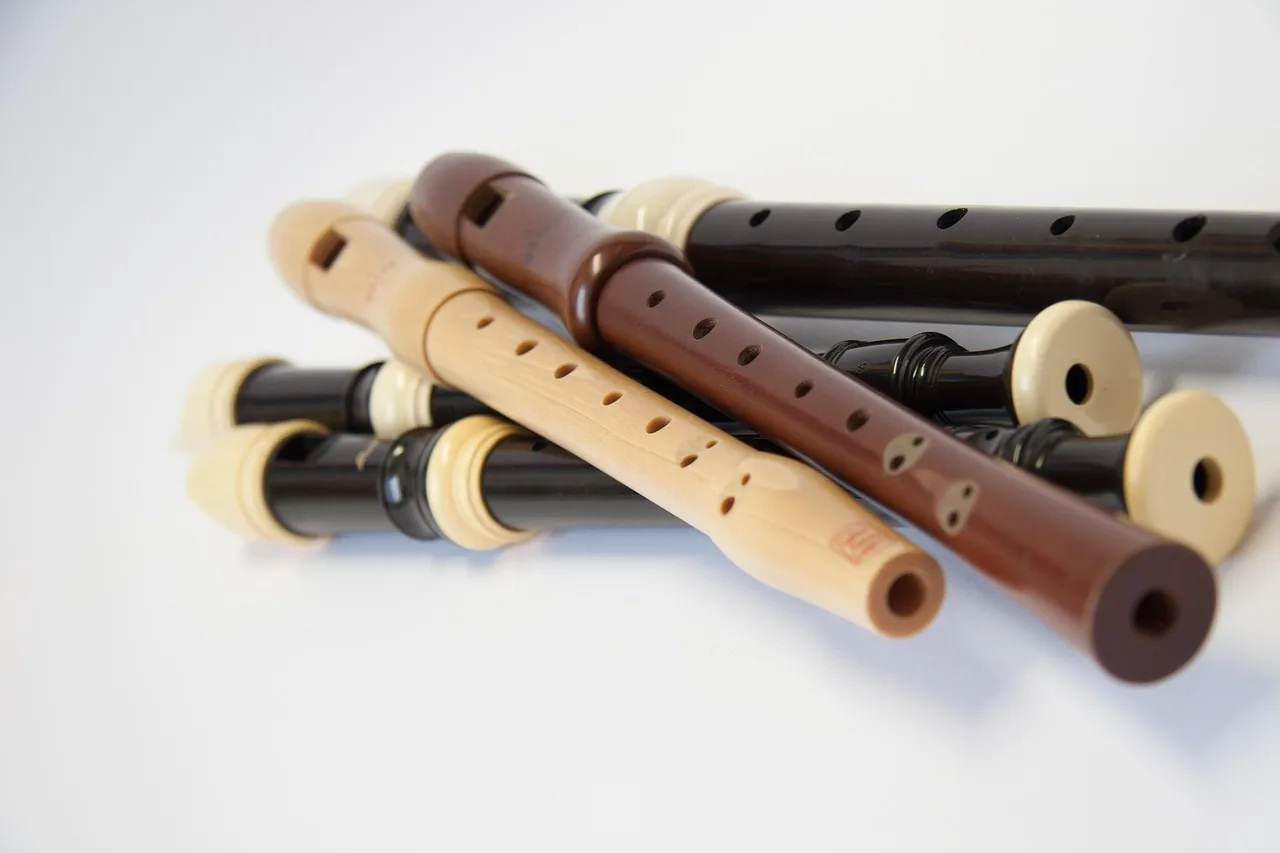

Learning to play the recorder is a rewarding experience, even if it seems daunting at first. Known for its gentle, melodic sound, this instrument is often associated with Baroque music, but its repertoire extends far beyond that. Choosing the right instrument and learning method from the start is essential for making steady progress.
There are several types of recorder, each with its own characteristics. The soprano recorder is particularly suitable for beginners because it is easy to play and has a manageable range. Plastic models are ideal for beginners because they are more affordable and easy to maintain. Wooden recorders are somewhat more delicate, but they offer a distinctive sound.
To make progress quickly, choose repertoire suited to your level. Simple Renaissance works or modern pieces, such as those by Gerhard Braun, are well suited to your first performances. Learning with an experienced teacher can also help you avoid bad habits and stay motivated.
Finally, remember that regular practice is essential. With perseverance, your first successes will soon follow!
Discovering the recorder: history and musical basics
With its distinctive sound, the recorder has evolved over the centuries. Knowing its history and musical foundations is useful for beginners.
Origins and development of the instrument
The recorder has medieval roots, with evidence dating from the 14th century. By the 15th century, it was gaining popularity in religious music. Around 1670, the Hotteterre family developed a recorder that could be taken apart into three sections, helping usher in the instrument’s Baroque golden age.
Music-reading fundamentals for the recorder
Learning to read music is essential for understanding sheet music. The first notes, such as C, D and E, provide a starting point. Mastering them lets you play simple melodies such as Au clair de la lune from your first lessons.
| Period | Characteristics | Examples of works |
|---|---|---|
| Renaissance | Limited range, gentle sound | Folk songs |
| Baroque | Soprano recorder prominent, brighter sound | Compositions by Telemann |
| Contemporary era | Various materials (plastic, wood) | Pop and jazz music |
To make progress, start with classical pieces that combine simplicity with melodic beauty.
Choosing your instrument and learning method
Choosing a good-quality recorder is essential for an enjoyable musical experience. Several factors are worth considering as you begin learning.
Selection criteria: material, pitch and budget
Choosing between a plastic and a wooden recorder directly affects how the instrument plays and its sound quality. Plastic models, ideal for beginners, are durable and inexpensive. Wooden recorders require more care but offer a richer, more nuanced sound.
The instrument’s pitch, usually in C or F, plays an important role in how easy it is to play. A suitable pitch can make complex fingerings easier to master. Set your budget with these factors in mind: a higher-quality instrument may cost more initially but can last longer and offer better sound quality over time.
Popular learning methods (Suzuki, Orff)
Teaching methods such as Suzuki and Orff offer structured approaches to learning. The Suzuki method emphasizes listening and repetition, while the Orff method incorporates rhythm and movement to encourage musical creativity. Both support regular, gradual practice, which is essential for making progress.
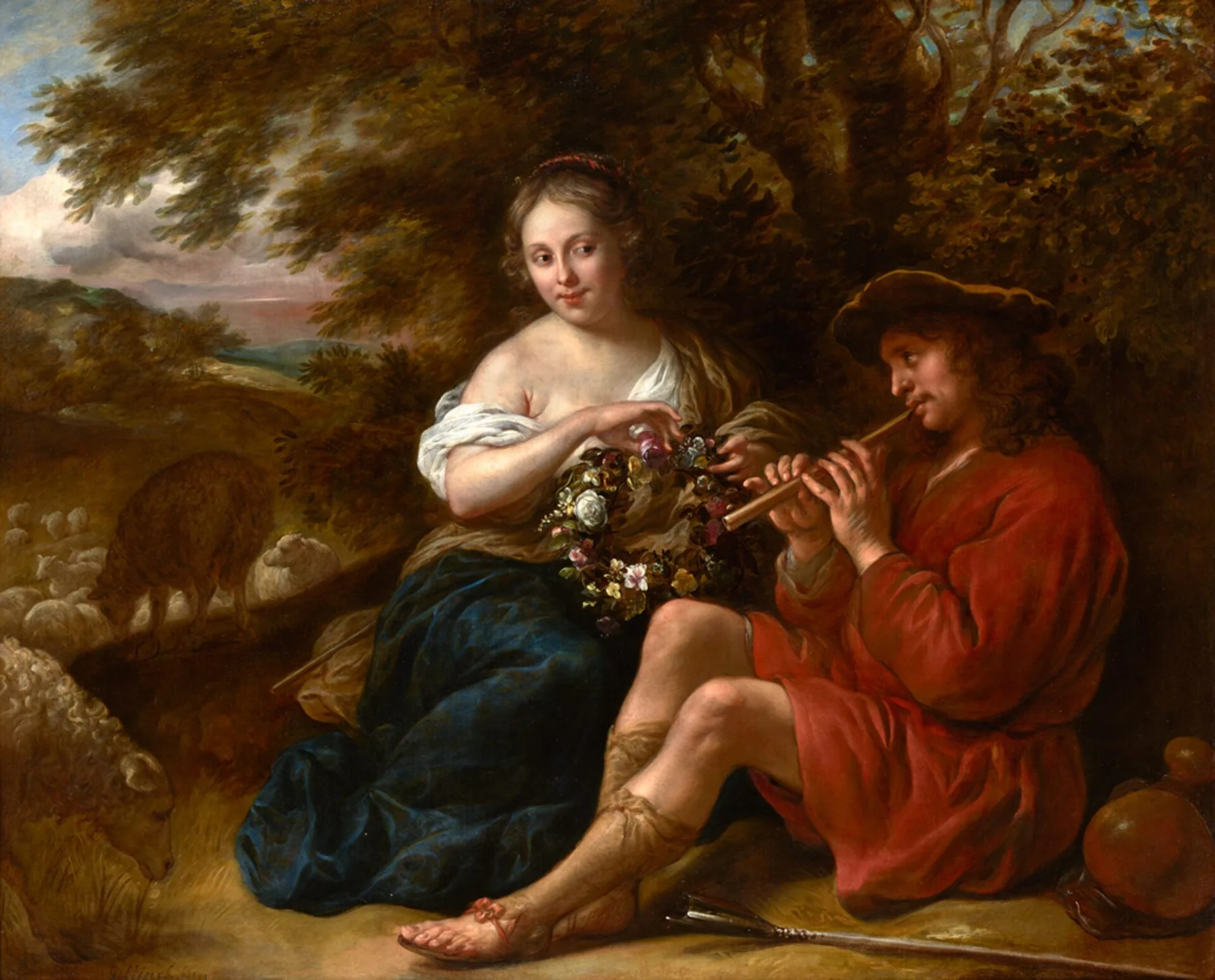
What repertoire should you choose when starting the recorder?
Choosing suitable repertoire is essential for making progress. Pieces should be accessible and engaging so that students can develop their skills without becoming discouraged.
Simple, melodic pieces to get started
Beginners can start with simple, cheerful melodies. Pieces such as Au clair de la lune and Frère Jacques are ideal for getting to know the first few notes. These familiar tunes make learning easier while remaining enjoyable to play.
| Piece | Characteristics | Example |
|---|---|---|
| Au clair de la lune | Gentle, repetitive melody | Simple beginner sheet music |
| Frère Jacques | Steady rhythm and well-spaced notes | Basic fingering exercise |
| La Cucaracha | Lively, rhythmic melody | Improves coordination |
Tips for making progress as you play
Regular practice is essential. Begin with short but frequent sessions focused on specific exercises. Using structured sheet music will help you track your progress. You can also explore online lessons to supplement your learning.
Basic techniques and practical exercises for beginners
Mastering basic techniques is essential for progressing on the recorder. Focused exercises improve fingering and coordination while strengthening your technique. This section covers fingering exercises and ways to use sheet music.
Fingering exercises and repetition of basic notes
Fingering exercises help develop agility. Start with simple sequences such as G, A and B, repeating each note several times. These exercises build muscle memory and prepare you for more complex fingerings.
| Exercise | Characteristics | Benefits |
|---|---|---|
| Basic fingerings | Repeated note sequences | Improves coordination and speed |
| Musical scales | Ascending and descending scales | Strengthens note recognition |
| Arpeggios | Notes of a chord played separately | Improves fluency and control |
Using sheet music and listening to recordings
Sheet music is an invaluable tool for making progress. It gives structure to your practice and helps you visualize the notes. Listening to good recordings develops your musical ear and can help you spot mistakes in finger placement.
Vary your exercises to stay motivated. Alternate between scales, arpeggios and simple pieces. This will keep you interested and prevent practice from becoming monotonous. Remember that consistency is essential to getting the most from this instrument.
Where to buy a recorder and essential accessories
Buying a recorder suited to your level and needs is an important step. Whether you are a child or an adult, choosing the right instrument and accessories makes a difference.
Local music shops or online platforms
Local music shops have one advantage: you can try an instrument before buying it. This is especially useful when you are starting out. Staff can also advise you based on your level and preferences. Online platforms such as Amazon and Rue du Commerce, however, often offer a wider selection and competitive prices.
If you choose an online shop, read customer reviews carefully and check the warranties offered. Specialist sites such as Stretta Music and Éditions musicales are useful sources for recorders and sheet music.
| Buying option | Advantages | Disadvantages |
|---|---|---|
| Local shops | Try instruments in person, specialist advice | Limited selection, potentially higher prices |
| Online platforms | Wide selection, competitive prices | Cannot try before buying, risk of inadequate quality |
Whichever option you choose, select an instrument suited to your level. Plastic models are ideal for children and beginners, while wooden recorders are better suited to more experienced musicians. Remember to get essential accessories, such as a protective case and cleaning cloth.
The importance of lessons and a teacher’s role
Learning the recorder benefits from good instruction. Whether you take private or group lessons, an experienced teacher offers many advantages.
Benefits of learning with guidance
A qualified teacher can correct mistakes from the start, preventing bad habits from taking hold. For example, they can guide finger placement and improve your blowing technique, which is essential for producing a clear, melodic sound.
Structured lessons allow you to progress step by step. A teacher sets clear goals suited to the student’s level, building confidence and skill.
| Type of lesson | Advantages | Disadvantages |
|---|---|---|
| Private lessons | Personal attention, immediate correction of mistakes, tailored progress | Higher cost |
| Group lessons | Stimulating group setting, opportunities to play together, lower cost | Less individual attention |
How to choose a qualified recorder teacher
Choose a teacher with recognized experience. Teachers associated with institutions such as Orchestre de Caen often offer quality instruction based on established methods.
Look for teachers who adapt lessons to your needs and pace. Good communication and a clear teaching approach are valuable for making effective progress.
In short, guidance from a qualified teacher helps you master the recorder. In individual or group lessons, a good teacher motivates students and guides them toward regular, rewarding practice.
Exploring the repertoire: from Renaissance to contemporary music
The recorder’s repertoire spans several centuries and offers great musical variety. From Renaissance works to contemporary compositions, each era has its own character and allows musicians to develop their technique and expression.
Classics and notable Renaissance and Baroque works
Renaissance and Baroque pieces are mainstays of the recorder repertoire. Composers such as Telemann and Vivaldi wrote works that highlight the instrument’s gentle sound and range. These pieces, often played on a soprano recorder, call for precise technique and confident fingering.
Baroque music in particular stands out for its complexity and expressiveness. Bach’s compositions, for example, require concentration and good breath control. These classical pieces are ideal for those who want to learn the recorder while exploring historical works.
Introducing modern pieces for variety
Contemporary music offers recorder players a fresh perspective. Modern composers often incorporate elements of jazz or world music, creating more dynamic ways to play the recorder. Modern pieces accessible to beginners encourage experimentation and the exploration of new techniques.
Specialist sites such as Stretta Music offer a wide selection of contemporary sheet music. These online resources help you discover new pieces and expand your repertoire. Choosing a piece suited to your level lets you improve while enjoying yourself.
By exploring this broad repertoire, recorder players can discover styles ranging from classical to current music. Each era presents technical challenges and opportunities for expression that make learning and playing rewarding.
Conclusion
Learning the recorder is a journey full of musical discoveries and enjoyment. It may seem complicated at first, but the right tools and a suitable method make it accessible to everyone. Choosing a quality instrument and following a structured learning approach are the first steps toward success.
Gradual learning guided by an experienced teacher helps you master basic techniques and avoid mistakes. Regular practice builds muscle memory and improves finger movement. Focused exercises and the use of structured sheet music will help you progress.
Explore a varied repertoire, from classical to contemporary music. Discover pieces from the Renaissance, works by Baroque composers such as Telemann, and modern pieces suited to beginners. This range will let you develop your skills while enjoying your music.
Get started and make the most of this musical experience. The recorder is an ideal instrument for exploring the world of music. With perseverance and enthusiasm, you may discover a new side of yourself. Why not start today?
FAQ
Which recorder should I choose as a beginner?
How should I position my fingers on the recorder?
Which exercises are essential for improving my technique?
How do I choose a qualified recorder teacher?
What are the best pieces for beginners?
How can I improve the sound of my recorder?
Can I learn the recorder without a teacher?
What accessories do I need to play the recorder?
How can I practice effectively when I have little time?
Where can I buy a good-quality recorder?
Source links
- https://www.orchestredecaen.fr/debuter-la-flute-a-bec-guide-pour-les-novices/
- https://www.britannica.com/art/recorder-musical-instrument
- https://en.wikipedia.org/wiki/Recorder_(musical_instrument)
- https://en.wikipedia.org/wiki/Recorder_(musical_instrument)
- https://www.orchestredecaen.fr/jouer-des-chansons-connues-a-la-flute-a-bec/
- https://www.mamie-note.fr/blog/choisir-son-premier-instrument-musique/
- https://www.bbc.co.uk/teach/bring-the-noise
- https://en.wikipedia.org/wiki/Tin_whistle
- https://www.orchestredecaen.fr/choisir-sa-premiere-flute-a-bec-conseils-utiles/
- https://www.phys.unsw.edu.au/jw/fluteacoustics.html
- https://www.wikihow.com/Play-the-Recorder
- https://www.mia.org.uk/app/uploads/Buying-a-Musical-Instrument-Making-the-Right-Choice.pdf
- https://www.yamaha.com/en/musical_instrument_guide/recorder/
- https://imslp.org/wiki/Category:For_recorder
- https://en.wikipedia.org/wiki/Bass_recorder
- https://www.musicalfuturesonline.org/resource-type/learn-to-play/recorder/
- https://www.lessonface.com/music-lessons/recorder
- https://www.classical-music.com/news/new-programme-guides-first-time-listeners-towards-contemporary-classical-music
- https://www.openedition.org/?lang=en
- https://recorderhomepage.net/repertoire/
- https://conservatoriodeloule.pt/en/our-educational-offer/instruments-and-singing/recorder/