
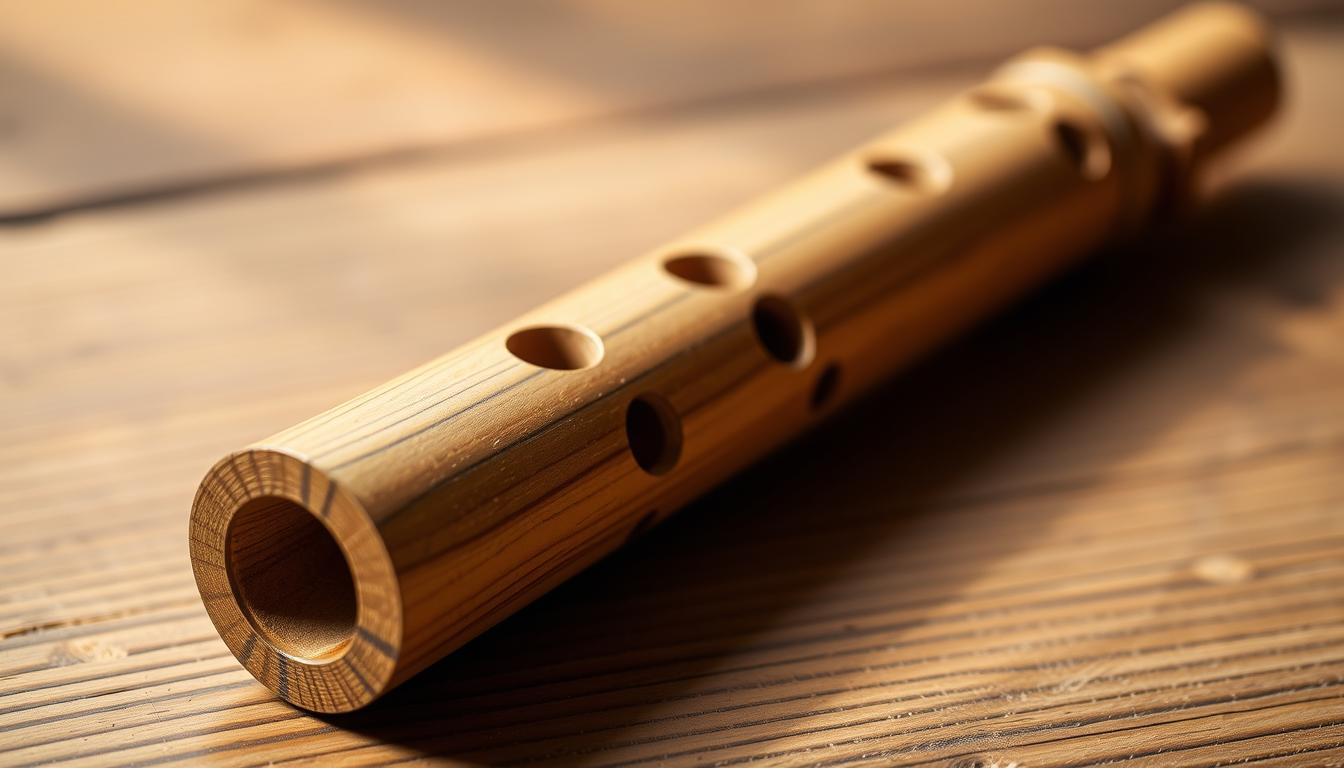

A wooden recorder is a fragile, delicate instrument that needs regular care to preserve its sound quality and longevity. Unlike plastic models, wooden recorders are particularly sensitive to humidity and changes in temperature. Understanding the properties of this natural material is essential to preventing damage.
Humidity plays a crucial role in caring for your instrument. Too much humidity can cause warping or cracks, while too little can dry out the wood. It is recommended that the humidity level where the recorder is kept be at least 50%. In winter, when the air is drier, a humidifier may be essential.
The care you give a wooden recorder directly affects its lifespan. Careful maintenance, including cleaning it after each use and applying oil regularly, helps protect the wood from mold and damage caused by condensation. It is also important to grease the joints so the instrument is easier to assemble and take apart.
Finally, avoid leaving the recorder somewhere hot, such as in a car during summer, because excessive heat could permanently damage the wood. By following these tips, you can enjoy your wooden recorder for many years while preserving its rich sound and appearance.
Why Care Matters for Your Wooden Recorder
Regular care is essential to preserving the sound quality and durability of your wooden recorder. Unlike plastic instruments, wooden ones need special attention because of the nature of the material.
The Properties of Wood and Its Specific Needs
Wood is a natural material that responds to changes in humidity and temperature. Too much humidity can cause warping or cracks, while too little can dry it out. Maintaining a balance is therefore crucial.
Cleaning the instrument after each use is an important step. Use a soft cloth to remove moisture and residue so they do not build up.
How Surrounding Conditions Affect the Instrument
Temperature and ambient humidity have a major effect. A humidity level of at least 50% is recommended. In winter, you may need a humidifier to prevent damage from dry air.
Preventing condensation is crucial. After playing, let the instrument dry naturally to avoid damage.
In short, careful maintenance, including cleaning and monitoring the surrounding conditions, is essential to preserving your wooden recorder’s sound quality and appearance.
How Do You Care for a Wooden Recorder?
Caring for a wooden recorder requires a careful approach to preserve its sound quality and extend its lifespan. Every musician should understand the main steps involved.
Key Steps for Effective Care
Before each use, check the head joint and windway. Make sure they are free of blockages and residue. This step is crucial to maintaining the instrument’s performance.
Use suitable products to clean and lubricate the inside. Recommended oils, such as sweet almond oil, help protect the wood from drying out.
After each use, let the instrument air-dry. Avoid putting it away immediately to prevent condensation.
Recommended Care Schedule
During the break-in period, play for about 10 minutes a day in the first week, then gradually increase the time. Regular care is essential if you play frequently.
Apply oil every three months to maintain the instrument’s seal and flexibility. This helps preserve its sound quality and prevent cracks.
Make sure air can circulate inside the recorder to prevent moisture from building up. This helps maintain its performance and extend its lifespan.
Preparing the Instrument Before Playing
Before playing the recorder, it is essential to prepare it properly to prevent condensation and get the best sound. This preparation also helps the instrument last longer.
Warm the Head Joint to Prevent Condensation
Warm the recorder’s head joint before each use. One effective method is to tuck it into your waistband so it can adjust to body temperature. This reduces the risk of condensation, which can damage the windway and affect sound quality.
Check the Ambient Humidity
Monitoring ambient humidity is essential. Use a hygrometer to measure it. If the instrument has been stored in unfavorable conditions, let it air-dry before using it. This helps prevent damage caused by excessive moisture.
Following these tips protects your recorder from condensation and moisture damage. For more details on making and caring for one, see our guide to making a recorder.
Specific Cleaning and Degreasing Techniques
Cleaning and degreasing a wooden recorder requires particular care to preserve its sound quality and durability. Suitable techniques include using soft cloths and appropriate solutions.
Use Suitable Cloths and Solutions
Use a slightly damp, but not soaking wet, cloth to remove residue and moisture. For hard-to-reach areas such as the bore, a thin, flexible cloth is ideal. Avoid abrasive products that could damage the wood.
To remove fingerprints without damaging the surface, use a mildly soapy solution or gentle detergent. Apply it with a microfiber cloth, without rubbing too hard.
| Type of cleaning | Recommended cloth | Suitable solution |
|---|---|---|
| Daily cleaning | Soft cloth that is not soaking wet | Lukewarm water |
| Removing fingerprints | Microfiber | Gentle detergent |
| Thorough cleaning | Thin cloth | Alcohol (precautions required) |
Degreasing and Precautions
Degrease the instrument carefully. For some types of wood, alcohol or a light petroleum solvent may be needed, but always use it sparingly. Consult the care instructions for your instrument for more details.
After cleaning, let the instrument air-dry. Avoid putting it away immediately so no moisture remains. For more information about disinfection methods, see this guide.
Greasing and Oiling: Caring for Your Recorder’s Wood
Greasing and oiling are essential steps in preserving your wooden recorder’s sound quality and durability. These treatments protect the material from drying out and changes in humidity.
Choosing Recommended Oils and Products
Choosing the right products is crucial. Nondrying olive oil is ideal for the inside of the recorder. It protects the wood without changing the sound.
Cork grease is suitable for the joints. It makes assembly easier and prevents excessive friction.
“A well-maintained recorder sounds better and lasts longer.” — Jean-Pierre, specialist instrument maker.
It is important not to put oil directly into the windway, as it could block the openings.
| Product | Use | Frequency |
|---|---|---|
| Olive oil | Protect the inside | Once a month |
| Cork grease | Lubricate the joints | Every six months |
By following these tips, your recorder will remain in good condition and continue to produce a rich, clear sound.
Preventing Condensation Problems
Condensation is one of a wooden recorder’s main enemies. It can affect sound quality and damage the instrument. To avoid these problems, it is essential to keep temperature and humidity stable.
Ways to Keep Temperature and Humidity Stable
Room temperature plays a crucial role in preventing condensation. Store the instrument somewhere with a stable temperature, away from direct heat sources. Also avoid leaving the recorder exposed to dry air, which can cause the wood to dry out.
A simple way to help the recorder reach a suitable temperature is to hold it close to your body before playing. This allows the instrument to warm gradually to body temperature, reducing the risk of condensation. The method is particularly useful when playing in a cool room.
To prevent moisture from building up in the windway, let the recorder air-dry after each use. Avoid putting it straight into its case, where residual moisture can be trapped. You can also use a soft cloth to wipe the inside of the head joint before storing it.
“Preventing condensation is a crucial step in extending your recorder’s life. A simple cleaning and drying routine can prevent costly repairs.” — Expert in wooden instrument care.
Finally, check the instrument’s condition regularly. If you notice signs of condensation, consult the specialist advice to address the problem before it worsens. For more information on basic techniques, you can also read this tutorial.
| Measure | Description | Frequency |
|---|---|---|
| Maintain a stable temperature | Keep the instrument in a place with a consistent temperature | Every time you use it |
| Air-dry | Let the recorder dry after each use | After each playing session |
| Clean the head joint | Wipe the inside of the head joint with a soft cloth | After each use |
Combating Mold and Wear
Mold poses a serious threat to your instrument’s durability and proper functioning. It can damage the material and affect sound quality.
Sterilization Methods and Preventive Treatment
Occasional sterilization with a diluted bleach solution is an effective way to remove mold. However, this must be done carefully to avoid damaging the wood.
Check regularly for mold, particularly in the windway. Black spots may indicate its presence. Careful inspection lets you address the problem promptly.
It is crucial never to remove the instrument’s block to treat mold. Doing so could permanently damage its internal parts and compromise sound quality.
To help prevent mold, use suitable oils and clean the instrument regularly. These precautions will extend its lifespan and preserve its performance.
“Preventing mold is an investment in your instrument’s longevity. A regular care routine avoids costly repairs.” — Expert in wooden instrument care.
Practical Tips and Other Precautions
When handling a wooden recorder, take certain precautions to avoid damage. These simple steps are crucial to preserving the instrument.
Do Not Remove Your Recorder’s Block
Removing your recorder’s block is strongly discouraged. Doing so could damage internal parts and affect sound quality. If it must be removed, always entrust the work to a professional.
Packaging and Protection During Transport
To transport your recorder safely, use a rigid case designed for fragile instruments. You can add protective materials such as cork or foam to cushion it against impacts. Optional insurance is also recommended when shipping it.
| Precaution | Description | Frequency |
|---|---|---|
| Use a rigid case | Protect the instrument from impacts | Whenever transporting it |
| Add cork | Cushion vibrations | Whenever transporting it |
| Optional insurance | Cover possible damage | When shipping it |
By following these tips, you will protect your instrument from damage and extend its lifespan.
Conclusion
Regular care is essential to preserving your recorder’s sound quality and lifespan. Unlike plastic recorders, wooden ones need particular attention, especially in winter, when dry air can harm the material. Almond oil or cork grease is recommended to protect the wood and help prevent damage caused by condensation.
Good habits include cleaning the instrument after each use and checking ambient humidity. These simple steps can prevent mold and cracks and preserve a rich, clear sound. For more details on care techniques, see this practical guide.
In short, careful, regular maintenance directly contributes to your instrument’s longevity. Adopt these habits and enjoy your recorder to the fullest: it can give you years of quality music.
FAQ
How do I clean a wooden recorder after playing?
What ambient humidity is recommended for a wooden recorder?
Can I use sweet almond oil to care for my instrument?
How can I prevent condensation inside the recorder?
What temperature is ideal for storing a wooden recorder?
Can I use a special cleaning product for the recorder’s windway?
How can I recognize the first signs of mold on a wooden recorder?
How often should I clean a wooden recorder?
Can I use a microfiber cloth to wipe the inside of the recorder?
How can I protect my recorder from cracks during winter?
What happens if the recorder is exposed to humidity for too long?
Can I grease the recorder’s mouthpiece to make it easier to play?
How should I deal with a crack in the recorder’s body?
Why is regular maintenance important for a wooden recorder?
Can I use linseed oil to care for my recorder?
How should I store a wooden recorder when I am not using it?
Source Links
- https://www.yamaha.com/en/musical_instrument_guide/recorder/maintenance/index.html
- https://www.orchestredecaen.fr/entretien-et-nettoyage-de-votre-flute-a-bec/
- https://www.flute-a-bec.com/modempgb.html
- https://www.moeck.com/en/service/tutorials-and-care-instructions
- https://hobartrecorderplayers.com/wp-content/uploads/2024/10/Recorder-Care.pdf
- https://www.dolmetsch.com/completerecordercareguide.pdf
- https://mpro-online.org/NL-March2004.htm
- https://www.skwiix.com/instruments/recorder/care.html
- https://www.kunath.com/en/DOWNLOADS/Care-instructions-Kunath-recorders/
- https://www.nfhs.org/stories/covid-19-instrument-cleaning-guidelines
- https://passthechord.org/learn/recorder/
- https://sites.google.com/isd002.org/hill-city-school-music/online-resources/recorder
- https://www.musikschule-cuxhaven.de/en/musicapedia/blockfloete
- https://www.ldprecorders.com/home/maintenance/?lang=en
- https://www.flageolet.fr/entretien-gb.html
- https://aafab.nl/onderhoud.php?lan=2
- https://sopilka-acropolis.com/care-guide/tool-care/
- https://www.moeck.com/en/service/maintenance-and-repairs
- https://www.orchestredecaen.fr/doigtes-de-base-pour-flute-a-bec-un-tutoriel/
- https://americanrecorder.org/care_of_your_plastic_recorder.php
- https://www.yamaha.com/en/musical_instrument_guide/recorder/manufacturing/