
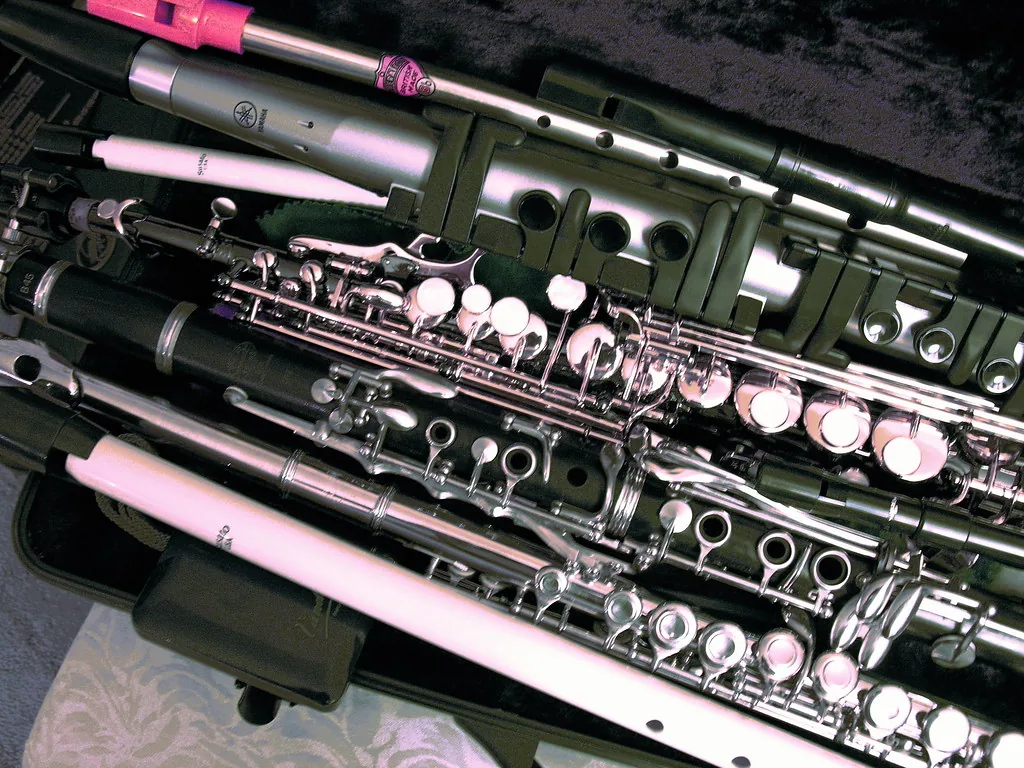

The recorder, an old and expressive instrument, has enjoyed a revival since the beginning of the twentieth century. Using it in modern settings raises questions, including whether a microphone can amplify its sound.
Capturing sound is essential to enhancing a musical performance. Sound quality and recording techniques can greatly influence the musical experience, both live and in the studio.
Many musicians share their experiences on music forums. For example, users such as Loic have tested an SM57 microphone and guitar multi-effects units with the recorder, providing valuable firsthand accounts.
This article draws on practical opinions and technical information. We will discuss sound quality and offer equipment advice to help you capture the best sound, in five sections designed to guide you.
To learn more about the history and development of the recorder, see our dedicated article: Recorders: their origins.
Why capturing your recorder’s sound matters
Sound quality is essential to showing your instrument at its best. Good microphone technique captures every nuance of your music and gives your audience a more immersive experience.
Choosing equipment suited to your instrument
Choosing the right equipment is crucial. You can use a microphone on a stand or explore other options, such as wireless microphones. Consider your musical style and the settings where you play. For example, a dynamic microphone such as the Shure SM58 is often recommended for its durability and sound quality.
How sound quality affects your performance
Optimal sound quality improves fidelity and the overall performance. Suitable equipment gives you better control over high and low frequencies, reproducing the sound of your recorder more faithfully. This can make a considerable difference at a concert or during a recording session.
It is also useful to compare different types of equipment to find what works best for your wind instrument. You can read online reviews or ask other musicians for advice. For example, this resource offers tips on choosing a microphone.
Can you play the recorder with a microphone?
Musicians regularly explore new ways to improve their sound. Using a microphone with a recorder is a frequent topic of discussion.
Experiences shared on music forums
Music forums are full of firsthand accounts. For example, on a dedicated forum, musicians share their experiences with different microphones.
Loic, an experienced musician, tested a Shure SM57 microphone with a guitar multi-effects unit. He found that this setup delivered exceptional sound quality.
Comparing guitar and flute microphones
Guitar microphones, such as the SM57, are often used with the recorder. However, it is important to adjust the settings to suit this instrument.
Forum users recommend adjusting frequencies around 350 Hz to balance the sound. Slightly reducing frequencies around 4,000 Hz can also improve clarity.
If you would like to learn more about playing techniques, see this guide: How to play Au clair de la lune on the flute.
Setting up and optimizing your equipment
Setting up your equipment properly is essential for the best sound quality. Every detail matters, whether you are performing onstage or recording in a studio.
Positioning and connecting your microphone
Setting up your microphone is the first step. For a microphone such as the Shure SM57, follow these steps:
- Place the microphone close to your recorder’s mouthpiece.
- Connect the audio cable to the input on your mixing console or audio interface.
- Check the sound level to avoid distortion.
Using multi-effects units and separate effects
Multi-effects units offer considerable flexibility. On music forums, users such as Loic recommend using separate pedals for greater control over the sound. This lets you fine-tune frequency and reverb settings.
Tips for reducing feedback and improving sound capture
Feedback can ruin a performance. To prevent it, adjust frequencies around 350 Hz and slightly reduce those around 4,000 Hz. You can also use a compressor to keep the sound level steady.
| Equipment | Characteristics | Benefits |
|---|---|---|
| Shure SM57 | Durable, dynamic | Consistent sound quality |
| Multi-effects unit | Multiple settings | Flexibility |
Conclusion
Using a microphone with a recorder offers interesting ways to improve sound quality. As discussions on music forums show, trying different equipment can help you find practical solutions.
Setting up your equipment carefully is essential to capturing the best sound. Read the advice on microphone techniques to gain better control over your flute’s sound.
Experiment and share what you discover on forums to help other musicians. Gradually investing a little in equipment can make a considerable difference.
FAQ
Why is sound quality important for the flute?
How do I choose the right microphone for the flute?
What is the difference between a guitar microphone and a flute microphone?
How should I set up equipment for the best sound capture?
How can I prevent feedback while capturing sound?
Where can I find firsthand advice about using microphones with the flute?
Source links
- https://www.artinoise.com/en/re-corder/
- https://www.roland.com/us/products/aerophone_mini/
- https://americanrecorder.org/frequently_asked_questions.php
- https://learntoplayrecorder.com/
- https://www.phys.unsw.edu.au/jw/fluteacoustics.html
- https://www.mollenhauer.com/images/elodys/Elody-Story-EN.pdf
- https://music.stackexchange.com/questions/81864/how-to-mic-a-flute-for-live-performance
- https://www.vigamusictools.fr/docs/intraMic_Manual%5BIC40%5D_EN.pdf
- https://en.wikipedia.org/wiki/Western_concert_flute
- https://www.yamaha.com/en/musical_instrument_guide/recorder/maintenance/
- https://pubmed.ncbi.nlm.nih.gov/38364041/