
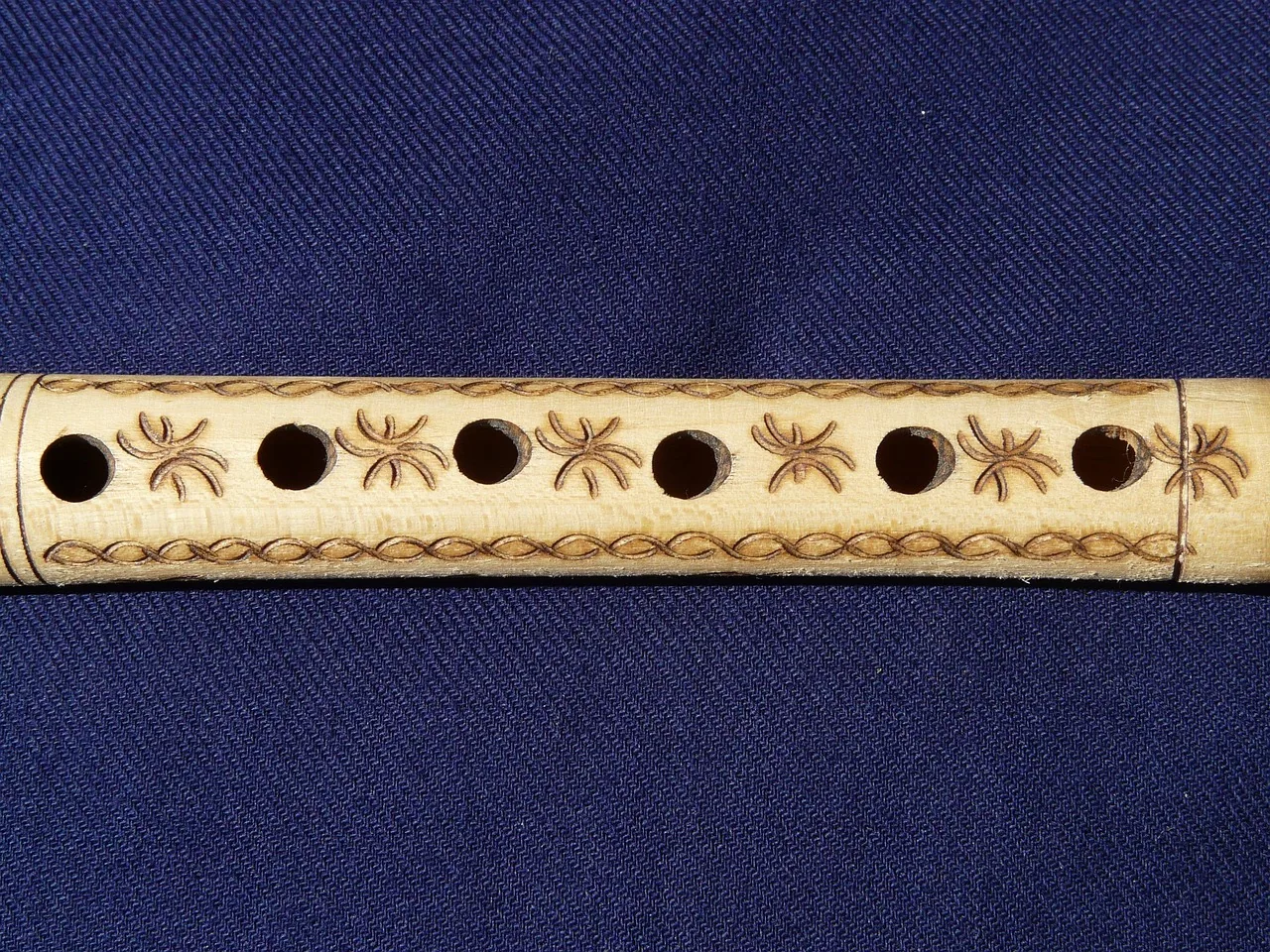

The recorder, a wind instrument with medieval origins, holds a unique place in music history. Since the Middle Ages, it has endured through the centuries, evolving with technical innovations while retaining its distinctive character.
Traditionally made of wood, the recorder is known for its craftsmanship and rich repertoire, spanning centuries of music. From the Renaissance to the modern era, it has shaped the history of Western music, offering a range of notes from low to high.
Today, the recorder remains an accessible instrument, ideal for beginners. Playing it in an ensemble, including in music education, offers a rewarding way to discover music together.
Introduction and background to the recorder
The recorder, a wind instrument with ancient origins, holds a special place in music history. It is known for its traditional wooden construction and variety of sizes.
Part of the wind instrument family, the recorder comes in different sizes, from sopranino to contrabass. Each has a distinct role within the family and contributes to its range of sounds.
Overview of the instrument
Traditionally made of wood, the recorder has an extensive repertoire. Children can start playing it at a young age, and it lends itself to group learning in educational settings.
Cultural and historical importance
The recorder has left its mark on history, with an early repertoire connected to both religious and secular uses. Medieval depictions attest to its cultural importance. To learn more about its history, consult this resource, or explore recorder playing in concert through this link.
History and evolution of the recorder
The recorder’s history is one of continuous development, shaped by centuries of technical and artistic innovation. From its beginnings in the Middle Ages to its transformation in the Baroque era, the instrument has adapted to the musical needs of each period.
Origins and the Middle Ages
The earliest historical references to the recorder date back to the Middle Ages. Music theorist Johannes Tinctoris mentioned it in his writings. These early recorders were simple, often made from a single piece, and were used in both religious and secular settings.
The Renaissance and technical innovations
During the Renaissance, the recorder underwent notable development. Drawings by the German musician and theorist Sebastian Virdung marked the evolution of its design. These innovations allowed greater expressiveness and expanded its repertoire.
The Baroque period and a new sound
The Baroque period was crucial for the recorder. Instrument makers such as members of the Hotteterre and Denner families introduced significant changes. Their work reshaped the instrument’s sound, making it richer and better suited to Baroque ensembles.
Technical characteristics and construction
The recorder combines a complex internal structure with carefully selected materials. Its traditional construction has evolved through innovations by instrument makers.
Structure and materials
The recorder consists of a block, a windway, and a labium. These essential parts directly affect sound quality. The materials used, principally wood, play a crucial role in producing its notes.
Innovations by instrument makers
Manufacturers such as Moeck and Yamaha have introduced major innovations. Their work has improved tuning and ease of playing. Finger holes and key systems have been refined to give players better control across octaves.
Technological advances have made the recorder more accessible. Manufacturers continue to expand its possibilities with a range of sizes and configurations for different musical needs.
What is the role of the recorder in an orchestra?
The recorder, an instrument with ancient origins, has a distinctive place in musical ensembles. Its versatility makes it suitable for both solo playing and complex orchestral arrangements.
Use in ensembles and as a solo instrument
In an orchestral setting, the recorder is often used to add distinctive textures. It works equally well as a solo or accompanying instrument and brings richness to the music. Vivaldi’s concertos, for example, showcase its expressive range.
Adapting to stage and acoustic demands
Recorder players must meet today’s demands, particularly those of tuning and dynamic control. This adaptability allows the instrument to stand out in settings ranging from Baroque repertoire to contemporary works. To explore the subject further, listen to these recordings, which illustrate its development.
Repertoire and musical diversity
The recorder’s repertoire spans centuries and offers great musical variety. From early music to contemporary compositions, this wind instrument fits many settings.
Early and Baroque music
During the Baroque era, composers such as Handel and Bach wrote notable works for the recorder. These often complex pieces showcase the instrument’s technique and expressiveness. Arnold Dolmetsch, a pioneer of the recorder revival, helped bring its early repertoire back to wider attention.
Contemporary explorations and modern influences
Today, the recorder inspires contemporary composers such as Steve Reich. Modern ensembles include it in innovative works that bring tradition and modernity together. For example, songs such as Ed Sheeran’s “Shape of You” have been arranged for it, opening up new possibilities for the instrument.
| Period | Characteristics | Examples of works |
|---|---|---|
| Middle Ages | Simple melodies, liturgical use | Gregorian chants |
| Baroque | Technical complexity, ornamentation | Vivaldi’s concertos |
| Contemporary era | Experimentation, stylistic blends | Works by Steve Reich |
The recorder continues to evolve and charm listeners. To discover more, consult this beginner’s guide.
The recorder is a bridge across centuries, connecting the past to the future.
The growth of recorder teaching and playing in France
France has played an important role in the recorder’s development thanks to dedicated teachers and respected music institutions. Teachers such as Patricia Derrien and Patricia Lavail have made their mark on recorder education, sharing their passion through innovative teaching methods.
French music schools offer structured courses that combine theory and practice. These specialist programs help students master essential techniques while exploring Baroque and contemporary repertoire.
Learning paths and specialist training
Courses are designed for beginners and advanced students alike. They emphasize grace and expression, two keys to a moving performance. Students learn to play recorders in different ranges, from tenor to bass, broadening their sound palette.
Its impact in music schools and concerts
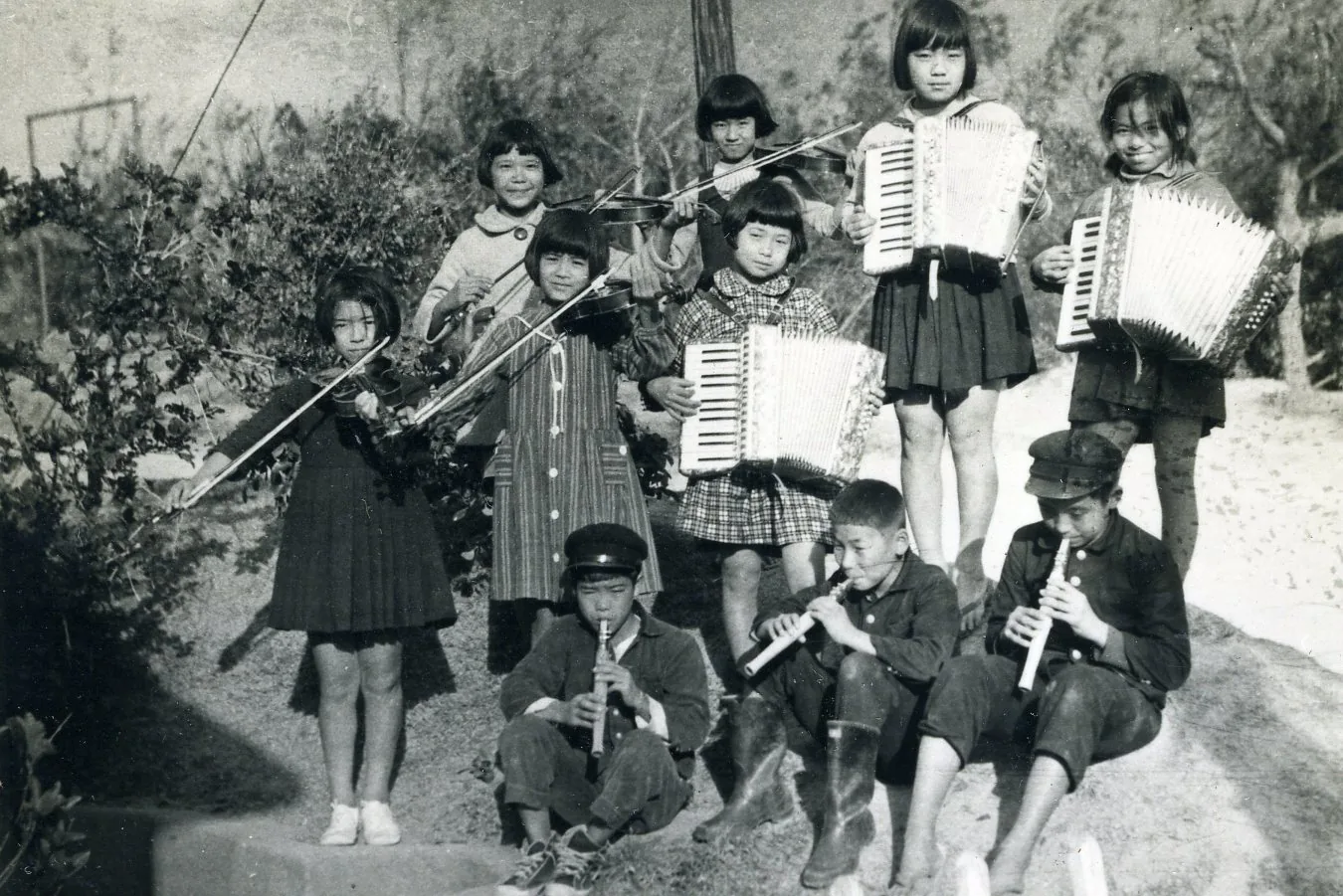
Group playing, encouraged in music schools, helps people rediscover the recorder. Ensembles and groups revisit classical works while exploring new creations. This keeps the instrument present in today’s musical life.
Concerts and musical gatherings play a crucial role in celebrating this heritage. Whether they bring together young musicians or professionals, orchestras provide an ideal stage for the recorder, an instrument both familiar and rich in history.
Conclusion
The recorder, with its captivating sound, connects the past to the future. Its evolution through the centuries, from the medieval era to contemporary music, makes it a unique cultural ambassador. Its influence on musical learning and its role in orchestral ensembles highlight its educational and artistic importance.
With its exceptional stylistic range, the recorder adapts to many musical tunes. From the intricate Baroque style to contemporary melodies, it captivates listeners and performers. Its accessibility makes it an ideal instrument for a child, supporting group learning and musical discovery.
As Baptiste Brolles emphasizes in his dissertation, available on the ESM Bourgogne Franche-Comté website, playing together is essential to developing well-rounded musicians. It encourages listening, coordination, and musical expression.
The recorder continues to attract new players. Through innovative works and educational workshops, it connects tradition and modernity. Its future looks bright, particularly among young people taking their first steps into music.
In conclusion, the recorder is much more than an instrument. It embodies a musical heritage, serves as a teaching tool, and provides a source of inspiration. Rooted in the past and open to the future, it invites us to rediscover its beauty and versatility, both on stage and in the classroom.
FAQ
What is a recorder?
What are the different sizes of recorder?
How do you learn to play the recorder?
What repertoire can you play on the recorder?
How important was the recorder in Baroque music?
How do you care for a recorder?
Where can you find recorder lessons?
What distinguishes the recorder from other flutes?
Is the recorder used in contemporary music?
What skill level is needed to play the recorder in an orchestra?
How do you choose a recorder?
What are the main differences between the recorder and the transverse flute?
Is the recorder difficult to learn?
Where can you buy a quality recorder?
What is the ideal age to start learning the recorder?
What are the principal works for recorder?
How can you improve your recorder technique?
Is the recorder a solo or an ensemble instrument?
What is the recorder’s role in an ensemble?
What are the best-known recorder brands?
How do you clean a wooden recorder?
How much does a recorder cost?
What are the benefits of playing the recorder?
Where can you find sheet music for recorder?
What is the recorder’s role in contemporary music?
How do you choose a recorder teacher?
How does playing the recorder affect children’s learning?
What are the main technical challenges of the recorder?
Where are the leading recorder festivals held?
What role has the recorder played in music history?
How can you take an online recorder class?
What are the best resources for learning the recorder?
What is the recorder’s future in modern music?
Source links
- https://ums.org/learning/k-12-programs/performance-playground/from-prehistoric-times-to-your-classroom/
- https://www.orchestredecaen.fr/le-plaisir-de-jouer-de-la-flute-a-bec-en-concert/
- https://en.wikipedia.org/wiki/Recorder_(musical_instrument)
- https://caslabs.case.edu/medren/medieval-instruments/recorder-baroque/
- https://www.cadenceinfo.com/la-flute-son-histoire-son-usage.htm
- https://www.baltimorerecorders.org/html/instruments/recorderhistorys.html
- https://www.radiofrance.fr/francemusique/en-musique-la-flute-dans-tous-ses-etats-3826397
- https://www.orchestredecaen.fr/comment-fabriquer-une-flute-a-bec-chez-soi/
- https://music.duke.edu/transverse-flute-and-recorder
- https://www.orchestredecaen.fr/debuter-la-flute-a-bec-guide-pour-les-novices/
- https://www.radiofrance.fr/francemusique/podcasts/au-coeur-de-l-orchestre/les-musiciens-d-orchestres-baroque-vi-a-bec-ou-traversiere-1-4-8660824
- https://americanrecorder.org/about_the_recorder.php
- https://www.orchestredecaen.fr/les-meilleures-partitions-pour-flute-a-bec/
- https://dictionary.onmusic.org/terms/2840-recorder
- http://www.hberlioz.com/Scores/BerliozTraite.html
- https://www.sscm-jscm.org/v12/no1/harris.html
- https://dev-dictionary.onmusic.org/terms/2840-recorder