
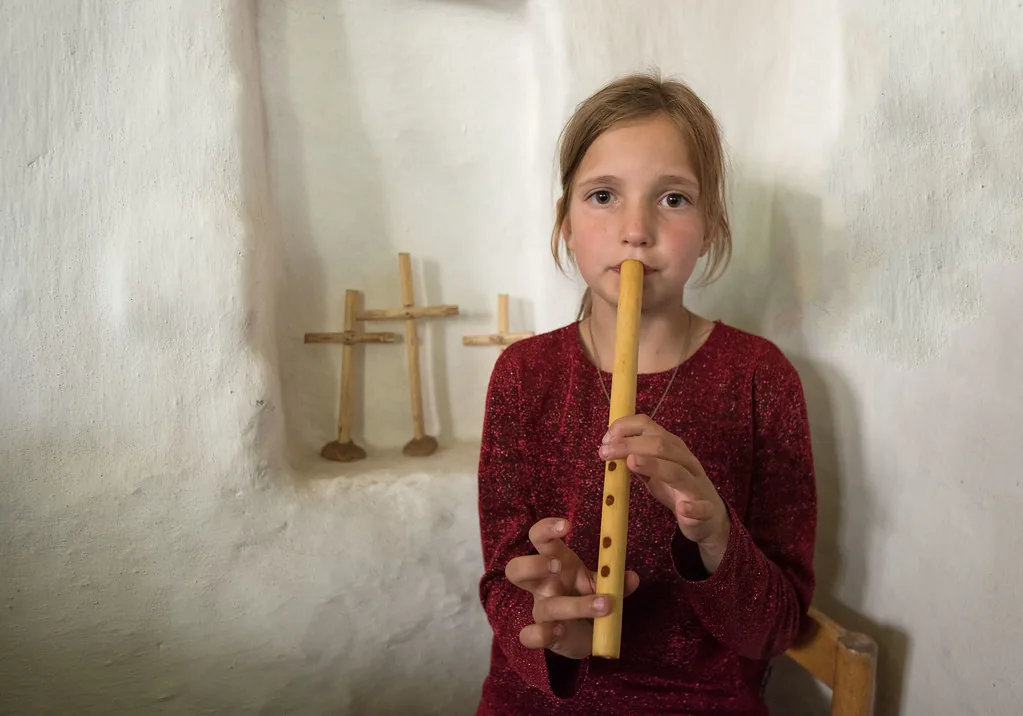

The recorder, an emblematic instrument of Baroque music, has a distinctive and expressive sound. Mastering ornaments on this instrument is an exciting challenge and an essential way to enrich a musical performance.
Technique plays a key role. Coordination between breath, tongue and fingers must be precise to produce clear, expressive notes. The modern recorder and the Baroque recorder have distinct characteristics; the latter is often played at a pitch of 415 Hz.
Ornaments, such as trills and appoggiaturas, add colour and life to a piece. Discover how these embellishments can turn a simple note into an artistic expression.
Finally, regular practice and studying scales are essential to mastering this art. Whether made of plastic or wood, the recorder remains an accessible instrument, suitable for beginners and professionals alike.
Introduction to the recorder and ornamentation
The recorder, a woodwind instrument, has evolved remarkably over the centuries. Originating in the Middle Ages, it reached its peak during the Baroque period and became a symbol of musical elegance.
Origins and history of the instrument
The earliest recorder-like flutes date back to prehistoric times and were made from bone or horn. Over the centuries, the instrument developed from a simple pipe into the classical Baroque recorder. The structure of the recorder consists of three main parts: the head joint, the body and the foot joint. Its mouthpiece plays a crucial role in producing sound.
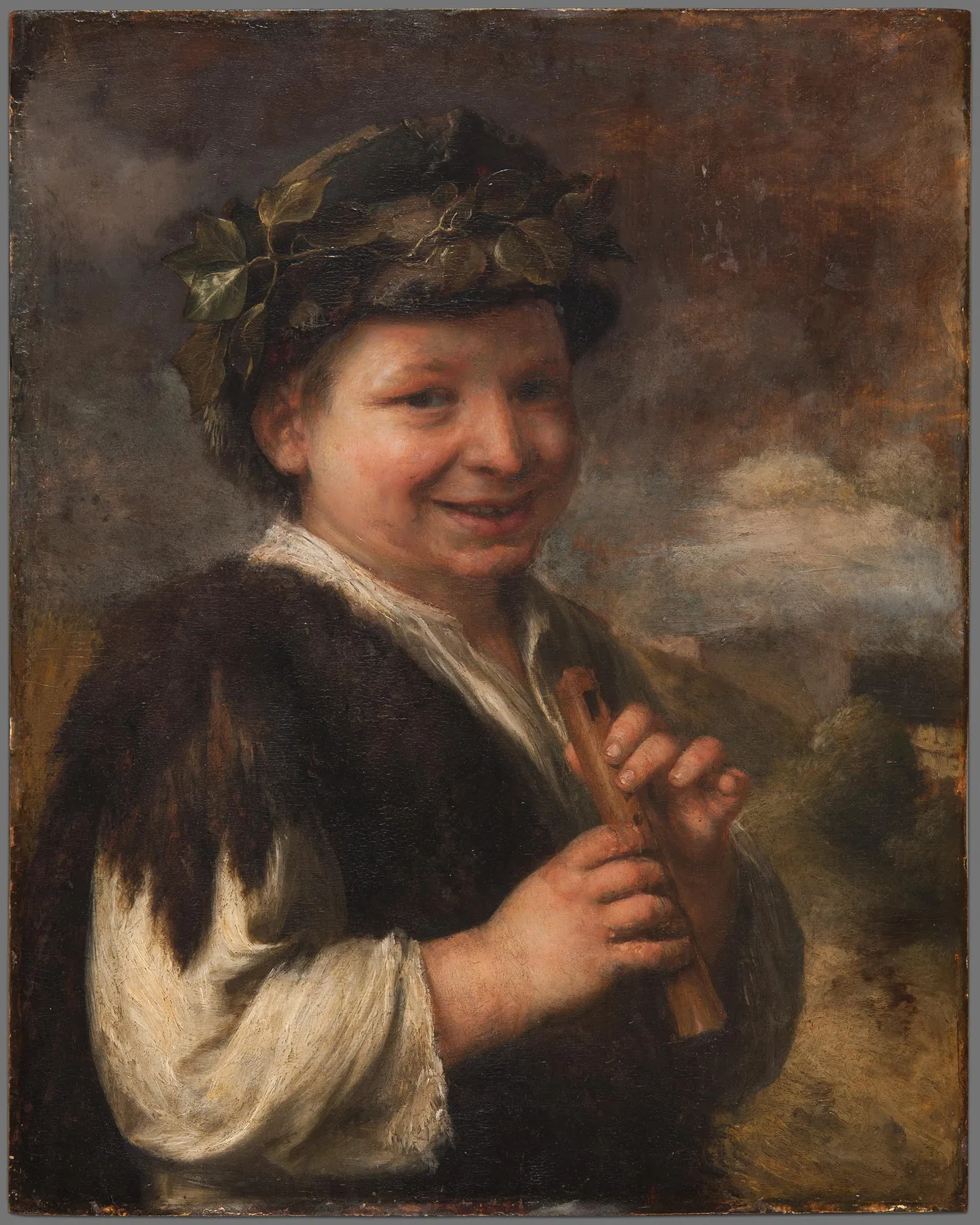
During the Renaissance, the recorder was often played in ensembles, while in the seventeenth century it became a solo instrument. Other instruments displaced it in the nineteenth century, but the twentieth century brought renewed interest, thanks in part to figures such as Arnold Dolmetsch.
The influence of Baroque style on ornamentation
The Baroque period profoundly shaped musical ornamentation. Baroque composers incorporated elaborate ornaments, such as trills and appoggiaturas, to enrich melodies. Influenced by vocal music, these embellishments added virtuosity and emotion to performances.
Baroque style also influenced the design of the recorder: its reverse-conical bore gives it a gentler sound. During this era, ornaments became more than embellishments; they were an integral part of musical compositions.
To learn more, see our guide to playing “Au Clair de la Lune” on the recorder and explore the ornamentation techniques of this period.
How do you play ornaments on the recorder?
Mastering recorder ornaments is an art that combines technique and expression. This section guides you through the technical foundations and finer points of execution to enrich your performances.
Technical foundations and finer points of execution
The first step is to master breath control. Deep, steady breathing is essential for an even sound. You can practise articulation by lightly pronouncing consonants such as “t” or “d”. Though simple, these actions are crucial to precise playing.
Ornaments, such as trills and appoggiaturas, add expression to your playing. A trill, for example, alternates rapidly between two neighbouring notes. These embellishments, typical of Baroque music, require close coordination between fingers and breath.
To incorporate ornaments into a piece, it is essential to understand the basics of music theory. You need to feel confident playing the main note before exploring variations. Regular practice, combined with careful listening, helps refine your playing and develop your own style.
Finally, explore learning resources to deepen your knowledge and find focused exercises. Whether made of plastic or wood, the recorder is an ideal instrument for artistic expression.
Fundamental techniques and practical exercises
Playing the recorder well depends on sound technique and regular practice. To improve, you need a firm grasp of the basics.
Breath control and articulation
Breath control is essential. Deep breathing helps sustain notes evenly. You can improve articulation by lightly pronouncing consonants such as “t” or “d”. Though simple, these actions are crucial to precise playing.
Scales, arpeggios and focused exercises
Scales and arpeggios are indispensable for developing technique. They improve coordination between fingers and breath. Exercises on trills and appoggiaturas, which are typical of Baroque music, also make your playing more expressive.
Regular practice is indispensable. Repeating exercises helps these techniques become second nature. Practising a variety of pieces refines your style and musicianship.
Online resources and professional advice
Online resources offer many ways to improve your recorder playing. From video tutorials and teaching materials to individual lessons, these tools help you master techniques and ornaments.
Video tutorials and teaching materials
YouTube channels such as Pohere32 and Note Consciente offer detailed tutorials. Their videos show how to play ornaments and basic exercises step by step, helping beginners and intermediate musicians improve their technique. Teaching materials such as sheet music and technique guides used by teachers are also available online.
Individual lessons and professional guidance
Individual lessons can be tailored to a musician’s level and goals. Professionals such as Vittorio Ghielmi and Christoph Urbanetz offer valuable guidance. Lessons help correct mistakes and refine technique, supporting steady, effective progress.
With these resources, musicians can create a rich, expressive performance in which every note and ornament contributes to the finished piece.
Conclusion
With its rich history, the recorder continues to captivate musicians today. Mastering this instrument requires a balance between technique and artistic expression. Ornaments such as trills and appoggiaturas make each note more expressive, turning a simple melody into a work of art.
To improve, it is essential to combine breath, fingering and interpretation. Online resources, such as the tutorial linked here, offer practical advice on composing and performing melodies with elegance. Bringing Baroque traditions together with contemporary practice makes for a rich, convincing performance.
Ultimately, the recorder is more than an instrument: it is a means of artistic expression. Every note and ornament helps create a complete musical work. We encourage all musicians, beginners and experienced players alike, to explore its sounds and keep improving. Authentic music is an endless journey.
FAQ
What is recorder sheet music?
How do you add ornaments to a piece of music?
What is the difference between a flute and a recorder?
How can you improve your recorder technique?
What role do ornaments play in Baroque music?
Where can you find sheet music and resources for learning the recorder?
Sources
- https://www.metmuseum.org/essays/the-development-of-the-recorder
- https://www.wfg.woodwind.org/recorder/index.html
- https://www.carnegiehall.org/Education/Programs/Link-Up/National-Program/Fundamentals
- https://en.wikipedia.org/wiki/Recorder_%28musical_instrument%29
- https://caslabs.case.edu/medren/medieval-instruments/recorder-baroque/
- https://www.orchestredecaen.fr/jouer-des-chansons-connues-a-la-flute-a-bec/
- https://www.loc.gov/exhibits/as-the-old-sing/record.html
- https://www.earlymusicamerica.org/web-articles/first-listen-new-flute-music-by-marin-marais/
- https://pbrecorder.org/downloads
- https://www.classicfm.com/discover-music/periods-genres/baroque/baroque-music-beginners-guide/
- https://cmbv.fr/en/resources/cmbv-collections/instruments/recorders
- https://www.orchestredecaen.fr/les-meilleures-partitions-pour-flute-a-bec/
- https://www.horniman.ac.uk/object/M10-1983/
- https://collection.powerhouse.com.au/object/407859