
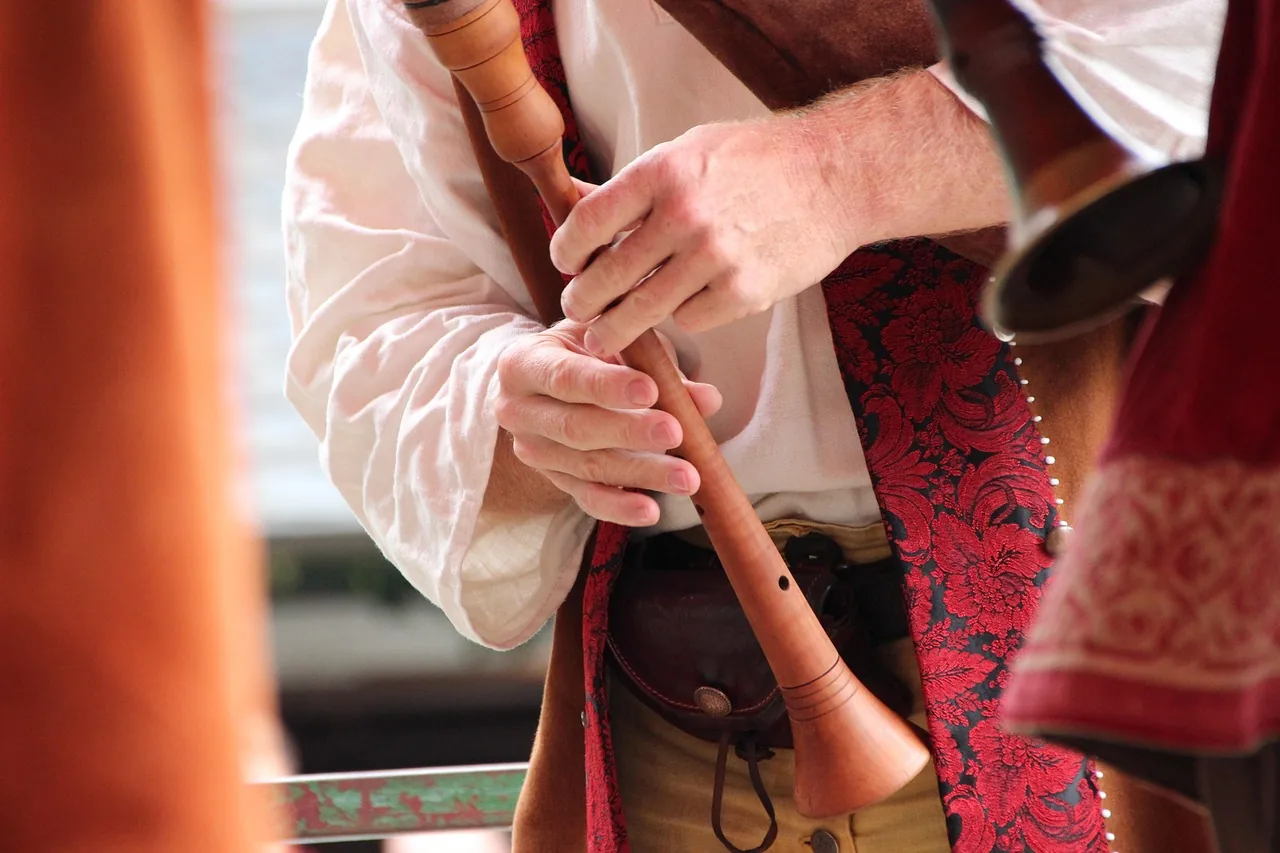

The recorder is a woodwind instrument known for its versatility and rich history. The recorder family includes several sizes, from soprano to great bass, including tenor and bass models.
The main differences between these instruments are their size, pitch range and sound. The tenor recorder, which measures about 63 cm, produces a higher sound than the bass recorder, while the bass recorder, which measures 94 cm, has a lower range and a richer sound.
The recorder’s historical development led to these different sizes to meet musicians’ needs. The distribution of notes and the frequencies they produce also distinguish these models and give each an important role in musical ensembles.
In this article, we will explore the technical and musical characteristics of both instruments in detail, using concrete examples. The rest of the article will also cover their history, the materials used to make them and practical advice for beginners.
Introduction and historical context
The history of flutes stretches back thousands of years, with evidence of their existence dating to the Upper Paleolithic. Early flutes were made from natural materials such as wood, bone and horn, showing the ingenuity of their makers.
Origins and early uses
Historical documents show that recorders began to be used in a more established way in the 14th century. Although rudimentary, these early instruments laid the foundations for the modern recorder’s development. Natural materials produced distinctive sounds suited to the musical needs of the time.
Cultural context in France
In France, the recorder quickly gained popularity and became an important cultural symbol. Its appearance in medieval imagery reflects its role in the music and celebrations of the time. Historical ensembles often included the recorder and used it in settings ranging from religious ceremonies to popular festivities.
By the Middle Ages, the recorder was a well-known instrument, valued for its versatility and distinctive sound. This rich history helps explain how the instrument developed and adapted, allowing it to remain part of contemporary music.
History of the recorder: the Renaissance and Baroque periods
The recorder developed significantly during the Renaissance and Baroque periods, which shaped its design and musical use. New ways of making and playing the instrument emerged, making it a central part of musical ensembles.
Development during the Renaissance
During the Renaissance, the recorder underwent a major transformation, developing from a single-piece instrument into a three-part model. This change allowed greater flexibility and better sound quality. Makers began using different types of wood, such as boxwood and grenadilla, to improve its sound. The finger holes were also modified, making the complex melodies of the period easier to play.
Period treatises, such as the one by Sebastian Virdung, show the attention given to making and playing the recorder. These historical documents reveal how the instrument became more versatile and adapted to musicians’ needs in different musical settings.
Baroque innovations
At the beginning of the 17th century, the recorder underwent important technical changes. The Hotteterre family, renowned instrument makers, played a central role in improving it. The recorder’s shape changed, and the addition of keys extended its range and made it easier to play.
The instrument’s dimensions were also adapted to make playing easier. For example, tenor and bass recorders were designed to meet the specific needs of musical ensembles. These innovations increased its volume and enriched its sound, making the recorder an essential instrument in Baroque music.
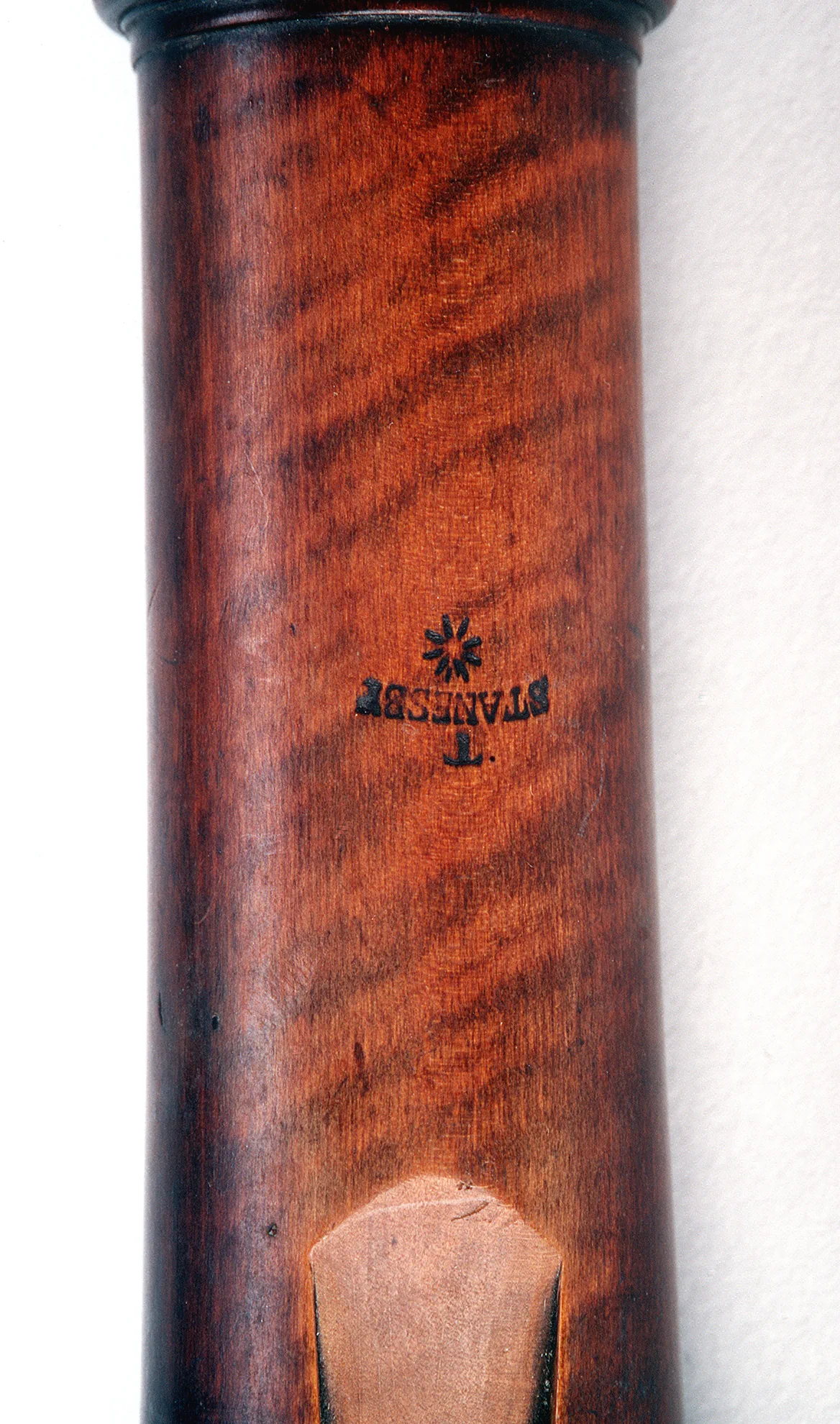
As Philibert Jambe de Fer’s treatise, published in 1556, notes, the recorder grew in popularity through its use in ensembles and its ability to produce complex sounds. This period marked a turning point in the instrument’s history and opened up new musical possibilities.
To learn more about the recorder’s characteristics and history, you can consult specialist resources.
Tenor and bass recorders: what’s the difference?
The distinction between tenor and bass recorders lies mainly in their physical characteristics and sound. These differences are essential to understanding their roles in music.
Comparing size and pitch range
The tenor recorder, measuring about 63 cm, is more compact than the bass recorder, which reaches 94 cm. This difference in size directly affects their pitch ranges. The tenor recorder produces higher notes, while the bass recorder offers a lower, richer sound.
Pitch range plays a crucial role. The shorter tenor recorder produces higher-frequency sounds. The longer bass recorder produces lower-frequency sounds, making it ideal for low parts in musical ensembles. This variation provides great flexibility in musical arrangements.
In short, size and pitch range determine each recorder’s role. The tenor, with its clear sound, is often used for melodies, while the bass adds depth. Understanding these differences is essential when choosing the right instrument for a particular musical setting.
Musical uses and repertoire in different ensembles
The recorder family has a place in many kinds of musical ensembles, offering exceptional variety of sound and versatility. The way the different sizes complement one another, from soprano to bass, makes it possible to create complex, balanced harmonies.
Quartets and recorder consorts
Quartets made up of soprano, alto, tenor and bass recorders make full use of each instrument’s possibilities. The tenor recorder, with its middle range, often provides a link between the parts, while the bass recorder adds essential depth. This division of roles supports a balanced sound, with each instrument finding its place without overpowering the others.
Concert pitch is important to that balance. Instruments tuned to the same concert pitch provide the consistency and musical unity that ensembles need.
Classical and contemporary repertoire
The recorder repertoire spans several centuries, from the Middle Ages to the present. Classical works, such as those by Telemann or Bach, highlight these instruments’ virtuosity and expressiveness. Today, contemporary composers continue to explore the recorder’s possibilities and adapt their works to modern techniques.
To learn more about the recorder repertoire, you can consult this music resource.
Choosing a recorder: advice for beginners
Choosing your first recorder can seem difficult, but a few practical tips will help you find an instrument that suits your needs.
Choosing between soprano, alto, tenor and bass
The instrument’s size is an essential consideration. Children generally start with a soprano recorder, while adults may choose a soprano or an alto. In time, you can explore other models, such as the tenor or bass.
Materials also matter. Plastic recorders suit beginners because they are more durable and less expensive. Wooden models offer better sound quality but require more care.
It is advisable to start with a simple model before moving on to more complex instruments. For example, mastering the soprano in C before moving to the alto in F will make learning easier.
To improve, explore tutorials and lessons suited to your level. A structured approach to learning will help you gain better control of your instrument.

In short, choose an instrument that suits your age, hand size and musical goals. Consider trying different models as you learn to explore everything the recorder can offer.
Models and materials: Renaissance, Baroque and modern recorders
The recorder has developed over the centuries. Historical and contemporary models reflect innovations in materials and acoustics. From the Renaissance to today, the materials used have influenced the instrument’s sound quality and durability.
Wood, plastic and acoustic innovations
During the Renaissance, recorders were made of wood, particularly boxwood or grenadilla, which gave them a rich sound. Modular construction, introduced during this period, provided greater flexibility. During the Baroque period, technical innovations such as the addition of keys extended the range and made playing easier.
Today, recorders are available in wood or plastic. More affordable and durable plastic models are particularly suitable for beginners. Wooden recorders require more care but offer outstanding sound quality. These material choices directly affect the instrument’s sound and durability.
Acoustic innovations, such as precise adjustments to the finger holes, have improved tuning and volume. These advances allow modern recorders to stand out in repertoire ranging from classical to contemporary music. To discover models suited to your level, explore these recorders for players.
Conclusion
Whether tenor or bass, the recorder is an instrument with a rich history and many musical possibilities. The technical differences between these two models, particularly their size and pitch range, directly affect their sound and role in an ensemble.
The recorder’s development, from the Renaissance and Baroque periods to today, has produced instruments with distinct characteristics. Size and pitch range remain key to distinguishing the higher-pitched tenor from the lower, richer bass.
Together, these instruments form a harmonious family, each contributing its own range and tone. In musical ensembles, they complement one another to create complex, balanced arrangements.
For beginners, choosing carefully is essential. More accessible plastic models are suitable starting points, while wooden recorders offer experienced musicians better sound quality.
In conclusion, tenor and bass recorders have a wealth of technical and cultural qualities. Discover the best tenor recorders by consulting this guide to find an instrument suited to your needs and level.
FAQ
What is a recorder?
How does a recorder produce sound?
What sizes do recorders come in?
What is the difference between wooden and plastic recorders?
How do I choose the right recorder for me?
Can I play in different keys on a recorder?
How do I care for a recorder?
What is the difference between soprano, alto, tenor and bass recorders?
Which recorder is recommended for a beginner?
Source links
- https://en.wikipedia.org/wiki/Recorder_(musical_instrument)
- https://en.wikipedia.org/wiki/Recorder_(musical_instrument)
- https://en.wikipedia.org/wiki/Recorder_(musical_instrument)
- https://en.wikipedia.org/wiki/Flute
- https://en.wikipedia.org/wiki/Recorder_(musical_instrument)
- https://en.wikipedia.org/wiki/Recorder_(musical_instrument)
- https://en.wikipedia.org/wiki/Recorder_(musical_instrument)
- https://en.wikipedia.org/wiki/Recorder_(musical_instrument)
- https://en.wikipedia.org/wiki/Recorder_(musical_instrument)
- https://en.wikipedia.org/wiki/Recorder_(musical_instrument)
- https://en.wikipedia.org/wiki/Flute
- https://en.wikipedia.org/wiki/Flute
- https://en.wikipedia.org/wiki/Recorder_(musical_instrument)
- https://en.wikipedia.org/wiki/Recorder_(musical_instrument)
- https://en.wikipedia.org/wiki/Recorder_(musical_instrument)
- https://en.wikipedia.org/wiki/Recorder_(musical_instrument)