
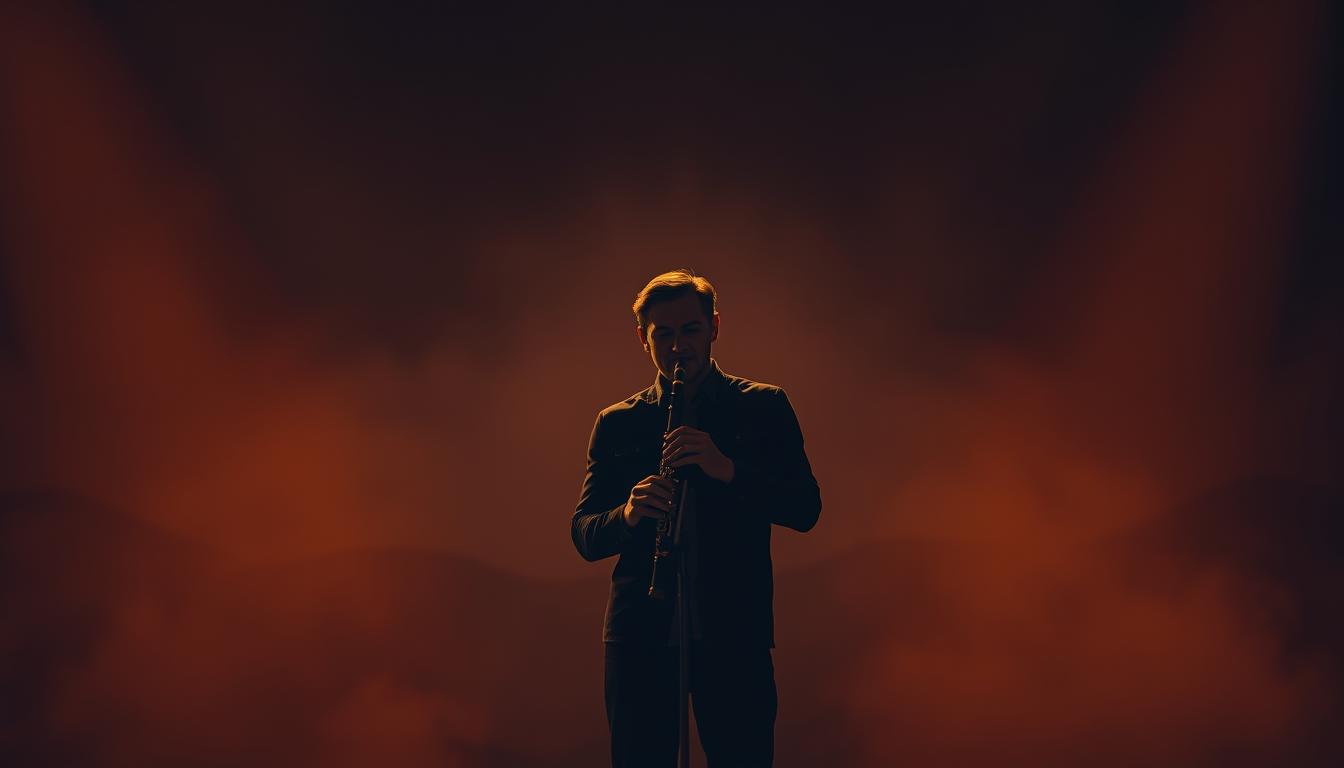

Stage fright affects many musicians, whether they are beginners or experienced performers. When you find yourself on stage, facing an audience, however small, the pressure can feel overwhelming. Yet managing this anxiety is essential to giving a fulfilling musical performance.
Music, and the recorder in particular, is much more than a technical exercise. It is a means of expression, an emotional dialogue between the performer and the audience. That is why learning to manage stage fright is a key step in every musician’s journey.
This article offers practical advice to help you tame anxiety and feel more comfortable on stage. Through real experiences and personal accounts, we highlight tried-and-tested ways to turn stage fright into a strength.
Introduction and background
Stage fright is a universal feeling shared by many performers, from beginners to seasoned musicians. Facing an audience can feel daunting. Yet managing this anxiety is essential to a fulfilling musical performance.
Why stage fright matters to musicians
Music, and the recorder in particular, is much more than a technical exercise. It is a means of expression, an emotional dialogue between the performer and the audience. That is why learning to manage stage fright is a key step in every musician’s journey.
Why performing in public helps you improve
Bloggers explain that stage fright is a fear shared by all musicians and that experience and regular performances can help overcome it. Performing in public can turn that stress into an opportunity to learn.
Preparation and regular performances help build self-confidence. Every moment on stage is an opportunity to grow personally and artistically. Recorder players also experience stage fright, but understanding those feelings is the first step toward managing them.
In short, performing in public is essential to musical progress. Although stage fright may be unavoidable, practice and mental preparation can make it a positive force. As a study of music learning points out, regular public performances build confidence and help overcome fear.
Understanding stage fright and its physical effects
Stage fright is the body’s natural response to a stressful situation. Under the spotlight, the body triggers a series of physical reactions. Although uncomfortable, these are survival mechanisms inherited from our ancestors.
Physical and emotional responses
When stage fright rises, the nervous system triggers a “fight or flight” response. Your heart rate and breathing speed up, and you may sweat more. Unpleasant as these reactions can be, they are normal and reflect our evolutionary past.
Your hands may shake, your throat may tighten, and your breathing may quicken. These symptoms, though uncomfortable, are a natural response to pressure. Even renowned musicians such as Frédéric Chopin and Yehudi Menuhin have spoken of feeling intense stage fright before public performances.
Accepting stage fright and keeping it in perspective
It is essential to understand that stage fright is a natural reaction, not a sign of weakness. Accepting its physical effects is a first step toward managing them. Everyone responds to stress differently, so understanding your own limits and reactions can help you gain control.
Recognizing these bodily signals allows you to develop ways to manage them. Deep-breathing exercises and relaxation techniques, for example, can calm the body and mind. Combined with thorough preparation, these methods can turn stage fright into a positive force.
| Signs of stage fright | Physical responses |
|---|---|
| Faster heart rate | The body prepares for exertion |
| Faster breathing | Increased oxygen intake |
| Sweating | Regulation of body temperature |
| Shaking hands | Muscle tension |
In short, stage fright is a natural reaction that can be managed, even if it feels uncomfortable. Understanding its origins and effects makes it easier to accept and address. As an article from the Geneva School of Music points out, managing stage fright is an important part of musical training.
Preparing to perform: Keys to success
Preparation is essential to turning stage fright into confidence. A structured approach can help you manage anxiety and shine on stage.
Mental and physical preparation techniques
Mental preparation starts with visualization. Picture yourself playing confidently and focusing on every note. This technique can strengthen your confidence and help you get used to the pressure of the moment.
Physical preparation matters just as much. Warm up your fingers with targeted exercises and use breathing techniques to calm your body. These routines can help you turn nervousness into positive energy.
Rehearsal time is valuable. Regular practice can turn stage fright into motivation. Every session is a chance to improve and move closer to your goal.
Choosing the right piece is also crucial. Pick music that suits your ability and state of mind. That way, you can express yourself fully without taking on more than you can comfortably manage.
Take lessons and practice exercises regularly to build confidence. Proven methods such as deep breathing and visualization can help you address stage fright and prepare for success on stage.
In short, thorough technical and mental preparation is essential to taming stage fright. As an article by Orchestre de Caen points out, regular rehearsals and self-confidence are the foundations of a successful performance.
Playing the recorder in public: How can you manage stage fright?
Stage fright is a universal feeling, but it can become an ally when you know how to approach it. Simple techniques such as deep breathing and visualization can turn anxiety into positive energy.
Breathing and relaxation methods
Breathing is a powerful way to calm anxiety. Before playing, try a deep-breathing exercise. Breathe in for 4 seconds, hold your breath for 4 seconds, then breathe out for 6 seconds. This technique can help slow your heart rate and relax your muscles.
Backstage, relaxation exercises can help you regain your focus. Gentle stretches and yoga movements can relax both body and mind.
Positive visualization and focusing on the music
Positive visualization is a tried-and-tested technique. Close your eyes and imagine yourself playing confidently. Focus on every note and on the music’s resonance. This practice builds confidence and helps you picture a positive performance.
Choose a piece that inspires you and feels meaningful. This can make it easier to concentrate and turn anxiety into creative energy.
| Method | Benefit |
|---|---|
| Deep breathing | Calms anxiety and steadies the heart rate |
| Positive visualization | Builds confidence and concentration |
| Relaxation exercises | Relaxes muscles and refocuses the mind |
As one experienced musician puts it, “Music is a silent conversation with the soul. By connecting with it deeply, you turn stage fright into harmony.”
By making these methods part of your routine, you can turn every performance into an enjoyable moment of control. Remember to read our complete guide to overcoming stage fright and shining on stage.
Tips for staying calm on stage
A calm attitude on stage can help you turn stage fright into positive energy. Simple strategies, including deep breathing and visualization, can help you manage stress and focus on the music.
Strategies for managing stress before and during a performance
Before going on stage, relax your posture and focus on your breathing. Breathe in deeply, hold for a few seconds, then breathe out slowly. This can calm your heart rate and relax your muscles.
- Listen to the sounds around you: Focus on nearby sounds, such as the murmur of the audience or a distant train. This can help you regain your focus and ease anxiety.
- Visualize success: Imagine yourself playing confidently. Picture each note and movement, and feel the music’s positive energy.
- Focus on enjoyment: Remember why you love playing. The pleasure of music should matter more than the fear of making a mistake.
Experienced musicians share what works for them. Some, for example, use gentle stretches or yoga movements to relax. Small routines like these can make a real difference.
In short, a calm presence on stage reflects strong mental preparation. Make these strategies part of your routine, and each performance can become an enjoyable moment of control. Remember that music is an emotional dialogue and that your passion can help you move beyond stage fright.
Meditation techniques and exercises for overcoming stage fright
Although stage fright may be unavoidable, it can become an ally when you know how to approach it. Simple techniques, including meditation and sophrology exercises, can turn anxiety into positive energy.
Meditation and sophrology exercises
Meditation can be an effective way to calm the mind. Before a performance, find a quiet place and meditate for a few minutes. Focus on your breathing and feel the air enter and leave your lungs. This can help steady your heart rate and relax your muscles.
Sophrology offers exercises for releasing tension. For example, you can try relaxation movements or deep-breathing exercises. These techniques help you refocus your energy and face stage fright with confidence.
Physical exercises for building confidence
Physical exercise can strengthen your confidence. Try yoga movements or gentle stretches. These activities relax your body and mind, helping you feel more at ease on stage.
Play and improvisation are valuable tools too. Practice with a friend or alone, letting the music guide you. These enjoyable exercises can reconnect you with your passion and turn stage fright into creative energy.
| Method | Benefit |
|---|---|
| Meditation | Calms the mind and steadies the heart rate |
| Sophrology | Releases tension and builds confidence |
| Physical exercises | Relax the body and refocus the mind |
In short, meditation and sophrology exercises are valuable ways to manage stage fright. By making them part of your routine, you can turn each performance into an enjoyable moment of control. Remember to read our complete guide to overcoming stage fright and shining on stage.
Conclusion
Although stage fright is natural, it can motivate any musician. By understanding where it comes from and using practical methods, you can manage anxiety and draw useful energy from it.
Preparation is essential. Whether you use deep-breathing exercises, visualization or relaxation movements, every tool has a part to play. These practices build confidence and help you direct your energy toward what matters most: the music.
Playing for an audience, large or small, is an opportunity to share and grow. Focus on the emotion you convey rather than worrying about being judged. Every performance is a unique moment in which passion can take precedence over anxiety.
Learning to live with stage fright is a dialogue, not a battle. By accepting it and using suitable methods, you can make every appearance on stage more enjoyable and rewarding. Remember that music is an emotional exchange, and your passion is what resonates most strongly.
FAQ
What are the best ways to overcome stage fright during a musical performance?
How can you manage stress just before playing for an audience?
How does meditation affect a stage performance?
How can you build confidence before a concert?
What are the key steps in preparing to perform in public?
How can you cope with shaking hands during a concert?
What role does physical exercise play in managing stage fright?
How can you stay focused during a public performance?
What are the best ways to relax before playing?
How can you ask a friend or teacher for advice on improving your playing?
Why is connecting with the audience important during a concert?
Source links
- https://www.enm-villeurbanne.fr/enseignements/musique/musiques-anciennes/
- https://tous-au-piano.com/stress-blocage-comment-eviter-etre-intimide-piano/
- https://www.cefedem-normandie.fr/images/PDF/mem2021_THUELIN_Marie_La_demarche_de_projet_pour_former_un_musicien_polyvalent.pdf
- https://www.mus.ulaval.ca/sites/mus.ulaval.ca/files/2020-11/Recherche-education-musicale-30.pdf
- https://www.sinusetdisto.com/download/dossier_trackattack.pdf
- https://www.agglo-cambrai.fr/fileadmin/Public/Conservatoire/Journal_etudiant/Point_d_orgue_1.pdf
- https://www.pluvigner.fr/medias/2021/05/Projet-detablissement-de-lecole-de-musique-de-Pluvigner.pdf
- https://www.grandnancy.eu/fileadmin/fichiers/SORTIR_ET_DECOUVRIR/Conservatoire/SCOLARITE/Livret_information_2021.pdf
- https://www.allegromusique.fr/cours-de-percussions-a-frejus
- https://www.formationmax.com/actu/436/comment-apprendre-le-chant-lyrique-a-partir-de-zero
- https://www.sophieardiet.com/
- https://www.meirieu.com/ACTUALITE/gaufryau_chroniques.htm
- https://obtic.huma-num.fr/obvil-web/corpus/sainte-beuve/html/sainte-beuve_causeries-du-lundi-ed-03_08.html
- https://www.apprentus.lu/cours-musique/schieren/16
- https://www.ecole-itsuo-tsuda.org/eit/
- https://www.allegromusique.fr/cours-de-flute-a-bec-a-connerre
- https://journals.openedition.org/volume/4536?lang=en
- https://www.fmppresanse.fr/fiches-metier/detail/212