


This guide sets out the essentials: how to read a listing, spot a good deal and avoid pitfalls when buying a used instrument in France.
It is for beginners, musicians and cautious buyers. By the end, you will know how to set a budget, inspect an instrument and make the transaction safer.
The route is clear: understand the market → price benchmarks → factors affecting value → where to buy → essential checks → authenticity and scam detection.
A useful reminder: this is a handmade instrument. Price differences are therefore normal, but they should be supported by measurable criteria.
If it seems too good to be true… Later, we will cover warning signs, questions to ask, an inspection checklist and hidden costs to anticipate.
For detailed price ranges and a breakdown of costs, see this practical guide.
Understanding the used handpan market in France
The secondhand market offers opportunities, but calls for caution. Buyers often save a substantial amount (sometimes close to 50%) and can get an instrument immediately, especially when production times for new instruments grow longer.
Why buying used appeals
Rare models and limited editions circulate mainly on the used market. Discontinued series and sought-after tunings may be available to enthusiasts only through resale.
Recent changes and types of sellers
More makers have brought more listings, but also more sophisticated scams: stolen photographs, copied listings and sellers whose identities cannot be verified.
Some enthusiasts sell their instruments, musicians trade theirs, and resellers speculate on prices. Buying safely often depends on communities where the seller can be identified and contacted.
To better understand the options and avoid pitfalls, read this analysis of buying options and advice.
Used handpan price benchmarks: realistic ranges and budgets
Clear price ranges help you compare a listing with the wider market.
Price benchmarks: in practice, a new instrument often costs €1,000 to €3,000 or more, depending on its construction and finish. On the secondhand market, prices are most often €700 to €2,000, depending on the maker and condition.

When to be wary: an unusually low price for a celebrated maker or rare model should raise suspicion. Beware of listings without evidence, pressure to pay quickly and copied images.
Costs to anticipate:
- A protective bag or case.
- Insured shipping and secure packaging.
- Customs duties and VAT if you buy from abroad.
- Possible retuning (often several hundred euros).
Think about the total cost: an attractive asking price can become expensive if the tuning is unstable or repairs are needed. Comparing new and used instruments means accounting for rarity, demand and the instrument’s actual condition.
Used handpan prices: how to buy without making a mistake
The maker’s reputation and the stability of the tuning are central to an instrument’s valuation.
Maker, model and scale
A well-known maker can command a higher price: certain sought-after models and limited editions attract strong demand.
The scale shapes the instrument’s musical character. Meditative or especially popular scales tend to sell faster and retain their resale value better.
Overall condition: appearance and sound
Distinguish cosmetic condition (surface scratches) from acoustic condition (dents and corrosion). A dent or internal corrosion can change the sound and require costly retuning.
A visible repair, unclear history or paint touch-up reduces value, even if the instrument looks clean.
Musical choices and crosstalk
440 Hz tuning makes playing with a group easier; 432 Hz and special tunings appeal to a more specific audience, which can affect demand.
“Check the tuning note by note and listen for crosstalk, a fault that may not be visible.”
A quick way to assess a listing: maker + condition + tuning + rarity + evidence = a well-supported asking price. For detailed ranges, read this analysis of prices.
Where to buy a used handpan with confidence
Trust grows through the platform and its community. Start with places where the seller’s history is visible and members can offer informed opinions.

Enthusiast communities
Facebook groups and the HandPan.org forum remain useful reference points. Sellers may be known to other members, and moderation can reduce risk.
Share a listing and ask what others think of the seller and the sound. Members can often spot warning signs quickly.
Specialist platforms
Dedicated sites offer more closely filtered listings and clearer seller profiles.
The benefit: a visible history, feedback and sometimes formal follow-up can make a sale more trustworthy.
General marketplaces
eBay and Le Bon Coin have many listings, but require particular vigilance.
- Ask for a recent video and documented evidence.
- Prefer an in-person trial in France to reduce shipping risks.
- Use a protected payment method and ask for references.
Practical rule: the more open the platform, the more evidence you should request (a complete video, documents and a chance to try the instrument). For practical advice on buying online, read this buying guide.
Even through trusted channels, a safe purchase requires technical checks of tuning, sound and condition.
Essential checks before buying to avoid unpleasant surprises
Checking the real condition and the sound of every note protects your budget and your playing. Before any transaction, ask for recent audio and visual evidence. Many problems do not show up in photographs.

Check the tuning and listen for crosstalk
Use a chromatic tuner and test every note. Strike each with the same force and record any deviations. Crosstalk occurs when one note unintentionally sets another ringing; it can indicate instability that harms sound quality.
Assess the sound quality
Listen to the sustain, the balance between notes and the absence of buzzing. Unwanted vibrations or very short sustain are warning signs.
Physical inspection and hidden repairs
Check the dome, tone fields, rim and Gu. Look for dents, hairline cracks and corrosion. Beware of touch-ups: corrective paint, amateur hammering or uneven areas may conceal an impact.
Ask for a recent, complete video
Request a video in which every note is played, ideally by the seller, with a date reference such as today’s date. This helps show that the seller has the instrument and reveals its current condition and sound quality.
- Checklist to avoid unpleasant surprises: tuning, crosstalk, sustain, note balance, and inspection inside and out.
Authenticity, brand and maker: buying a genuine handpan safely
Clear information about the instrument’s construction and history is the best defence against fraud. Ask for solid evidence before any transaction.
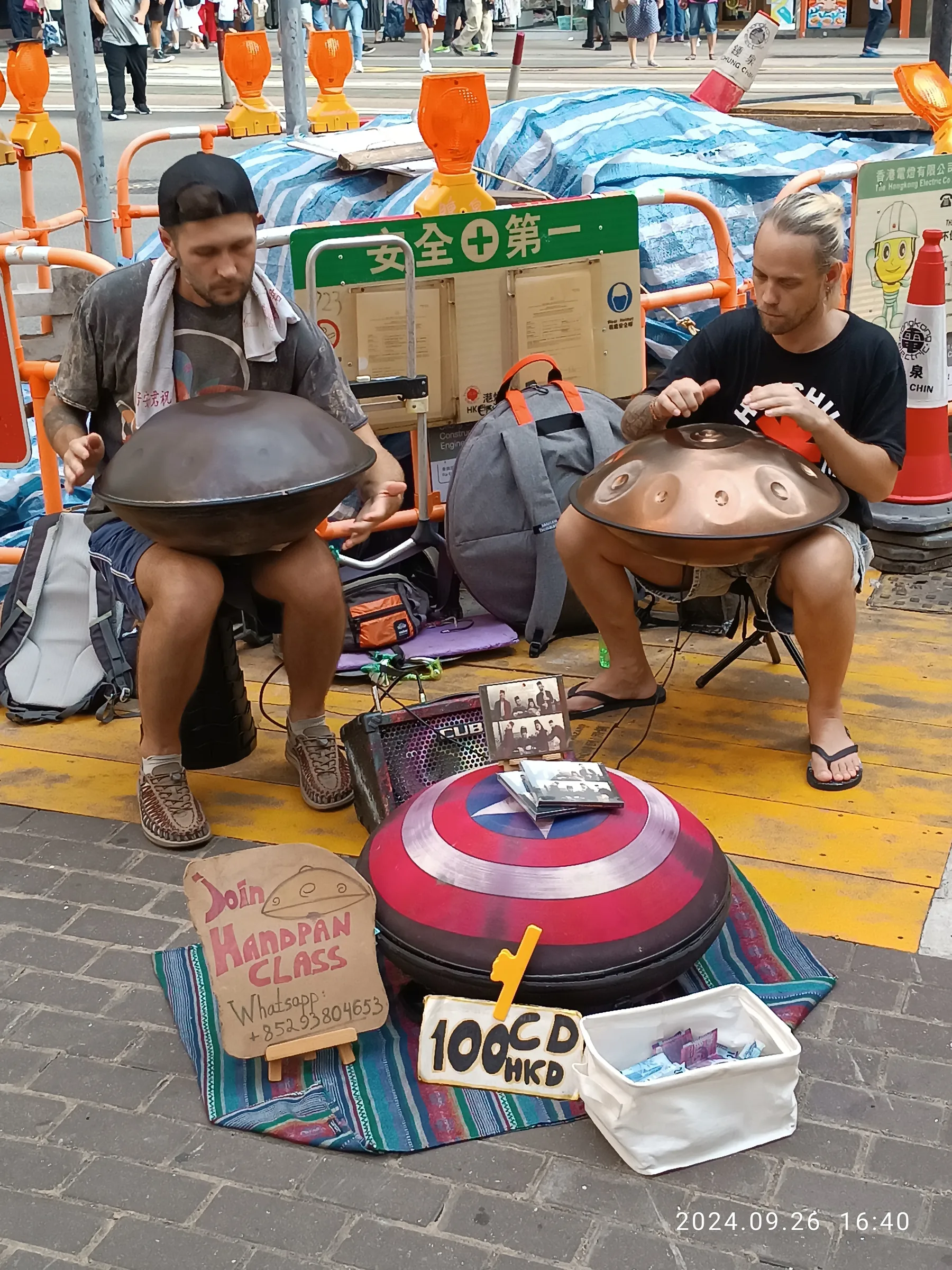
What to request:
- The maker’s name and photographs showing its markings.
- The serial number, year of manufacture and invoice, if available.
- Certificates, email exchanges with the workshop and a recent sound video.
Cross-check the history: make sure the documents, engravings and sound are consistent. An instrument from a recognised maker tends to retain its value and may qualify for support or retuning.
If you have doubts, contact the maker directly: send the listing, photographs and serial number. The maker may confirm the instrument’s origin or flag an unauthorised resale.
If the seller refuses to identify the instrument or provide evidence, end the transaction.
Watch for speculative resellers who quickly resell limited editions without explaining their history. A reliable listing presents a complete record and a seller willing to answer questions.
Reading a listing and assessing the seller
Before making contact, examine each listing as a record of both the instrument and the person selling it.
Read the listing carefully: check the level of detail, whether dates are consistent and whether recent videos are included. A precise listing often suggests a transparent seller.
Signs of trustworthiness
- An identifiable profile with a history in the groups.
- Personal videos showing every note and the markings.
- Visible interactions and feedback across multiple listings.
Warning signs and questions to ask
A vague description, generic photographs or no tuning information are warning signs.
- Why are you selling the instrument?
- How long have you owned it, and where did you buy it?
- How do you store it (humidity, protective bag)?
- Has it ever been retuned? Can I try it?
- How will you arrange shipping and insured packaging?
Save time: send a standard set of questions and reject vague answers. Compare two or three listings using the same criteria to make a reasoned choice: evidence, condition, sound, total price and seller reliability.
Final tip: a good seller takes time to reply and willingly shares the instrument’s history. For more advice on scams and checks, read this guide to avoiding scams.
Common scams and pitfalls when buying a used handpan
Common scams can turn an appealing listing into a costly trap. Be wary of pressure and offers designed to rush you into paying.
Stolen photographs and impersonation
A common tactic is to reuse genuine photographs of an instrument across several platforms. Use reverse image search to check where the pictures came from.
If the seller refuses to provide a recent video playing every note, walk away.
Risky payments
Refuse Western Union and any demand to transfer money outside the platform. Urgent payment requests are a warning sign. Choose protected, traceable payments.
Copied listings and sellers without an instrument
Fake sellers make repeated excuses, such as delivery delays or shipping arranged by a third party. Ask for dated proof that they possess the instrument.
Similar-looking objects of poor quality
Some objects resemble handpans but sound poor. A similar appearance does not guarantee quality. Compare the sound and ask to try the instrument in person.
Always request a video playing every note, an in-person trial or a trial with a third party present, and an opinion from the community.
If everything checks out, move on to negotiation and a secure transaction.
Negotiating and completing a secure transaction
Closing a sale takes a methodical approach: evidence, calculations and a transaction record. Base every offer on facts you can check.
Negotiating on the facts
Consider the market price, the instrument’s condition, tuning stability and included accessories. Estimate the cost of any retuning and insured shipping.
A simple method: identify what needs checking → estimate the costs → make a reasoned offer.
Trying it in person to avoid scams
Suggest meeting somewhere quiet and test every note. A serious seller will usually agree to a trial; a scammer may make excuses.
Secure payment and shipping
Choose a protected payment method and insured shipping. Ask for photographs of the parcel, a tracking number and proof of the transaction.
| Item | Effect on price | Estimated cost | Recommended action |
|---|---|---|---|
| Unstable tuning | High | €150 to €400 | Request a discount or retuning before purchase |
| Accessories included | Moderate | €20 to €100 | Account for their value in the offer |
| Insured shipping | Low | €50 to €150 | Request proof and tracking |
A purchase becomes safer when every step leaves a verifiable record.
Caring for your handpan after purchase to preserve its sound
Good care extends an instrument’s musical life and protects its value. Simple habits are often enough to maintain its sound.
Cleaning, moisture protection and suitable storage
Wipe the instrument after every session with a soft cloth. Avoid leaving fingerprints on the tone fields or deposits that encourage corrosion.
Apply an oil or treatment recommended by the maker only if the maker advises it. Keep the instrument in a good-quality bag.
Store it somewhere dry, away from damp basements and major temperature changes. Do not leave it in a car for long periods.
Retuning: when to plan for it and what it may cost
Consider retuning after an impact or fall, if notes seem to drift, or if crosstalk appears. A loss of clarity is another warning sign.
The cost depends on the workshop and the extent of the work: a complete service often costs several hundred euros. Always use a specialist tuner or the maker instead of attempting repairs yourself.
| Service | Risk to the instrument | Indicative cost |
|---|---|---|
| Cleaning and light treatment | Low | €0 to €30 (products) |
| Partial retuning | Moderate | €100 to €300 |
| Full adjustment or repairs after an impact | High | €300 to €700 |
Regular care helps turn a good deal into an instrument you can enjoy for years.
Conclusion
In short, a careful process protects your budget and your music. A reasonable price can be explained by the maker, model, condition, tuning, rarity and evidence supplied.
Follow these steps: choose a reliable channel, check the seller and the instrument’s history, request a recent video, test the tuning and condition, then arrange protected payment and shipping.
Authenticity matters: contact the maker if doubts remain, particularly for sought-after models. Prefer buying locally: trying the instrument in person is still the best way to check it.
Include the full cost (bag, insured shipping and retuning) before deciding. Take your time, seek opinions and resist pressure. The goal is to come away with an instrument that sounds in tune, lasts and gives you a rewarding musical experience.