
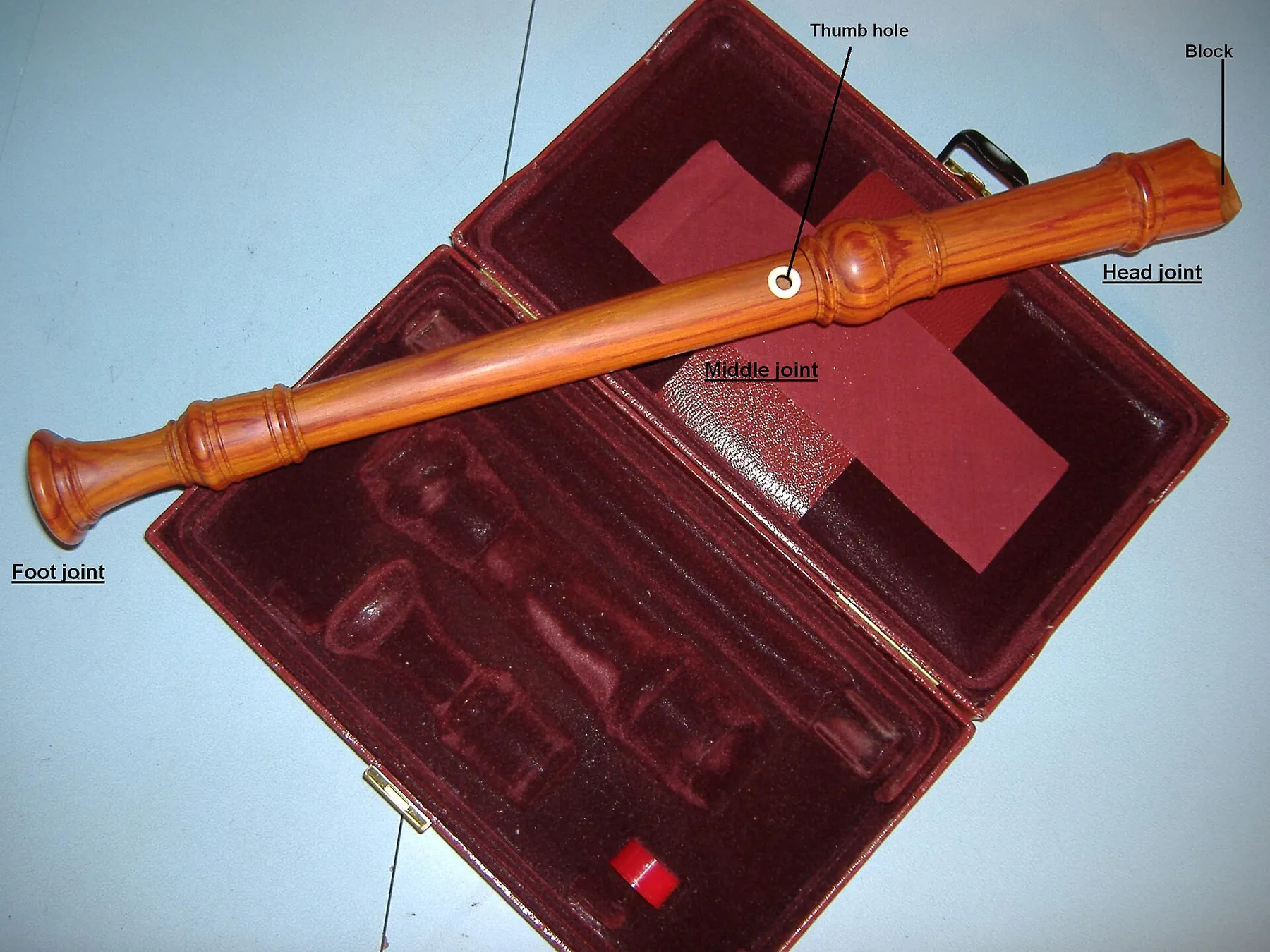

Learning to play the recorder can be a real musical adventure! Despite its apparent simplicity, this instrument offers a rich sound that captivates beginners and experienced musicians alike. To make progress, you need to master a few key elements: posture, breathing, and preliminary exercises. These solid foundations will help you produce clear, harmonious sounds from your very first notes.
Choosing a recorder suited to your level is also crucial. Beginner models are often more affordable and easier to handle. Breath control and finger coordination are equally important. Regular practice, even in short sessions, strengthens muscle memory and helps you read music more fluently. Be sure to consult quality resources for practical advice.
Finally, exploring different musical genres and developing your musical sensitivity will reward your persistence. So why not start today? Music is waiting for you, and every note could be the first step toward an unforgettable artistic journey!
Introduction to the recorder and its fundamentals
Learning the recorder begins with mastering the essentials. Choosing a suitable instrument is crucial, especially for beginners. A good-quality instrument makes learning easier and helps prevent frustration.
Regular practice is essential for improving your sense of timing and your command of the notes. Even short daily sessions can strengthen muscle memory and improve fluency.
- Your first lessons should cover the basics of the instrument.
- Advice from an experienced teacher helps beginners make steady progress.
- Consistent practice and regular lessons reinforce the fundamentals.
Getting professional advice is essential for making effective progress. For more details, see our guide: Learning musical notes on the recorder.
Choosing the right recorder to get started
Choosing a suitable recorder is a crucial step for a beginner. The main factors are material, size, and budget. These directly affect how easy the instrument is to learn and the quality of its sound.
Plastic recorders are ideal for beginners because they are durable and easy to maintain. Wooden recorders, such as the Hohner B9560, offer better sound quality but need regular care to prevent moisture damage.
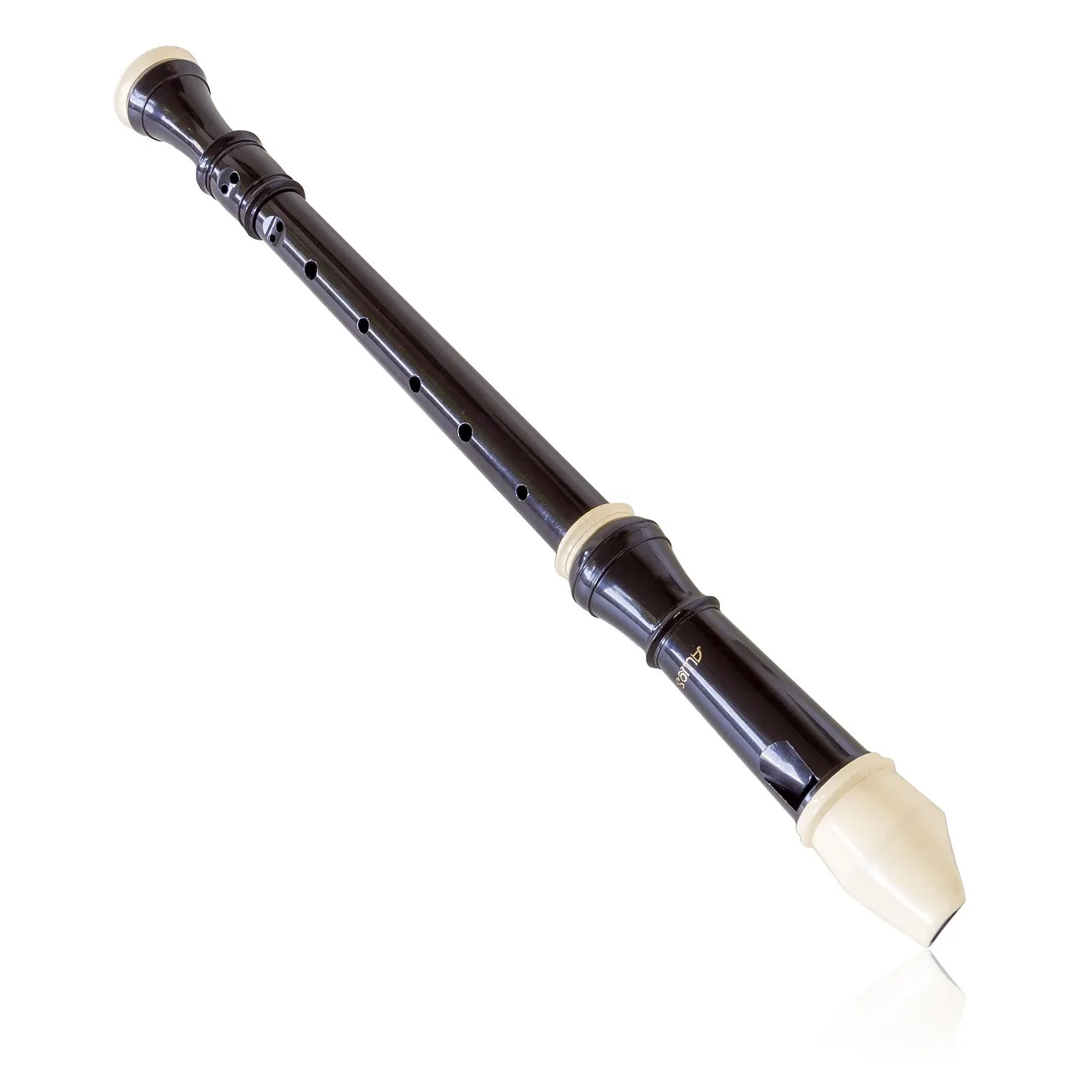
The player’s level also matters. Beginners generally prefer instruments that are more accessible and easier to handle. A teacher can help you choose and explain the fingering system, which is essential for effective progress.
Posture, mouthpiece position, and breathing techniques
Mastering posture, mouthpiece position, and breathing techniques is essential for playing the recorder well. Beginners often overlook these elements, yet they are crucial for producing clear, harmonious sounds.
Why good posture matters
Good posture helps prevent muscle tension and gives you better control of the instrument. Sit or stand with your shoulders relaxed and your back straight. This makes breathing and producing notes easier.
Maintaining this posture supports your breath and improves the precision of each note’s start. Remember that posture underpins every instrumental technique.
Mastering diaphragmatic breathing
Diaphragmatic breathing is a cornerstone of breath control. Breathe in deeply, letting your abdomen expand, then breathe out gently to produce a pure, steady sound. This breathing technique helps you control air pressure and maintain consistent sound quality.
Practice breathing exercises, such as holding long notes, to build your breath control. These exercises improve the length and steadiness of your breath.
Finally, remember that finger coordination and mouthpiece position play a key role in sound quality. Place your fingers correctly over the holes and make sure the mouthpiece is properly positioned in your mouth. These details may seem minor, but they significantly affect the result.
By following these tips and practising regularly, you can make quick progress and master the basics of the recorder. To learn more, see our detailed guide: Basic fingerings for the recorder.
Mastering fingering and reading music
Mastering fingering and reading music is essential for progressing on the recorder. These skills help you play smoothly and accurately.
Fingering and coordination exercises
Fingering exercises build coordination and speed. Start with simple note sequences, such as G, A, and B, then move on to more complex melodies. These exercises help coordinate your fingers and prevent mistakes.
Diaphragmatic breathing is also crucial. Breathe in deeply to support long notes and maintain a clear sound. These techniques improve sound quality and your control of the instrument.
Getting started with music notation
Learning music notation is essential for reading sheet music with ease. Learn to recognise notes on the staff, where the bottom line represents E in treble clef. Note values, such as quarter notes and whole notes, will help you master rhythm.
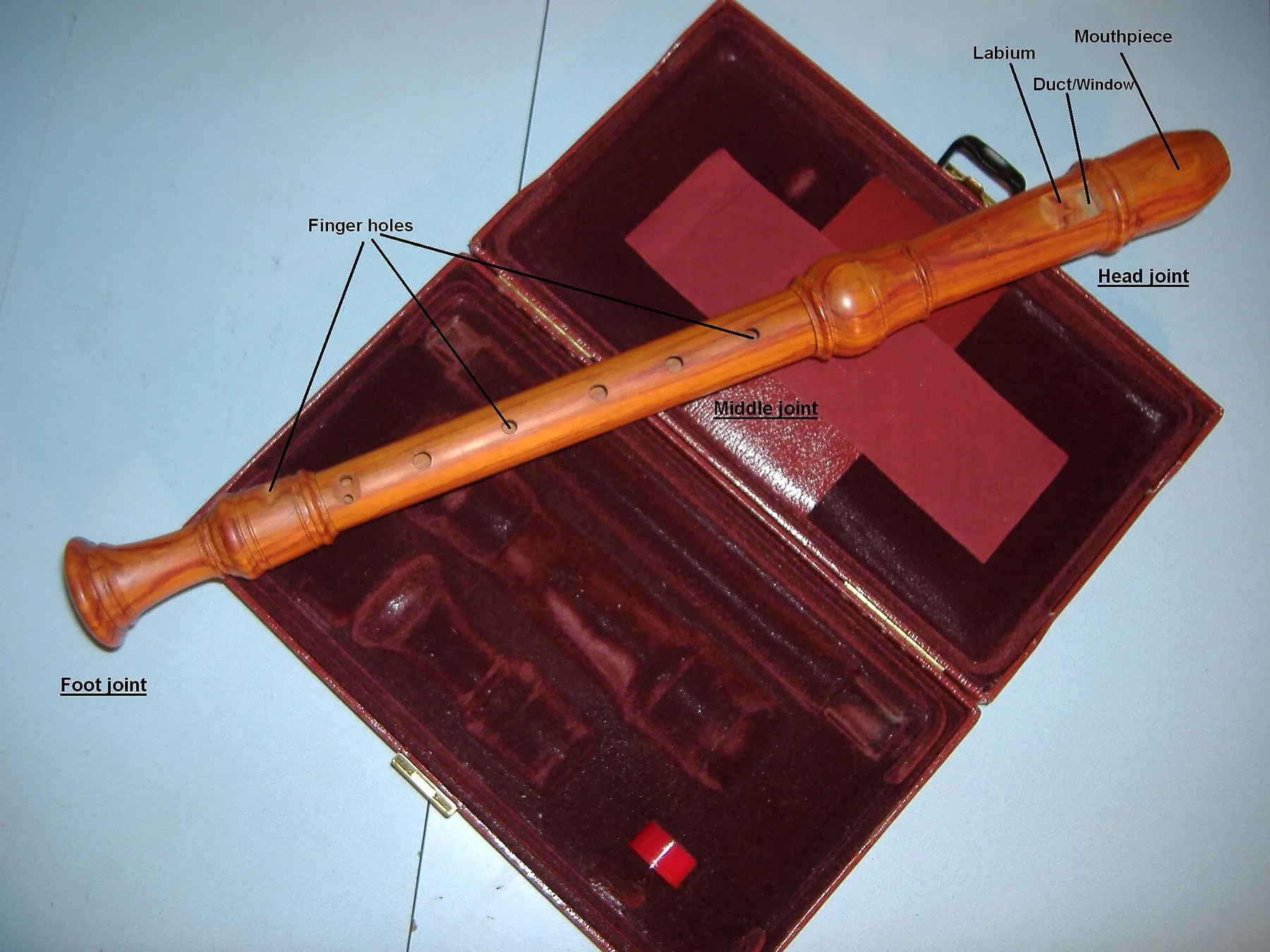
By incorporating these exercises into your daily practice, you will quickly improve your technique and your ability to read sheet music. Persistence is essential for mastering these aspects of music.
Play the recorder without wrong notes: practical tips
Mastering the recorder takes patience and persistence. Regular practice and focused advice can help you overcome the difficulties you encounter at first.
- Identify common mistakes: wrong notes are often caused by incorrect finger placement or ineffective breathing.
- Do focused exercises: daily exercises, even short ones, strengthen your technique and fluency.
- Adjust your approach: start with simple melodies, then gradually move on to more complex pieces.
| Practice | Difficulty | Result |
|---|---|---|
| Fingering exercises | Easy | Improves coordination |
| Diaphragmatic breathing | Moderate | Improves breath control |
| Reading music | Difficult | Improves music reading |
“Regular practice is the key to avoiding wrong notes and improving sound quality.” — Jean-Pierre Rampal, renowned musician.

By making these tips part of your daily routine, you can avoid mistakes and progress quickly. Remember that every practice session, however brief, helps you improve.
Practical exercises to strengthen your technique
Progress on the recorder depends greatly on focused exercises. They strengthen your technical foundations and help you play with confidence.
Scales and musical sequences
Start with simple note sequences, such as G, A, and B. These exercises improve finger coordination and fluency. Then move on to more complex melodies to develop your control.
| Exercise | Level | Benefit |
|---|---|---|
| Simple scales | Easy | Improves coordination |
| Musical sequences | Intermediate | Builds fluency |
| Breathing exercises | Difficult | Improves control |
Even short exercises strengthen your technique and fluency.
Gradual approaches to improving fluency
Regular practice is essential. Practise every day, even for a short time, to strengthen muscle memory. Diaphragmatic breathing is crucial for sustaining long notes.
Use online resources to access visual and audio demonstrations. These tools will help you understand the techniques and progress more quickly.

By adding these exercises to your routine, you will quickly improve your technique and your ability to play smoothly.
Resources and advice for musical progress
To progress on the recorder, it is essential to draw on quality resources and suitable advice. These tools will help you improve your technique and expand your repertoire.
Online and in-person lessons with qualified teachers
Both online and in-person lessons offer individual guidance. Platforms such as Allegro Musique provide structured lessons, while experienced teachers can guide your progress more precisely.
Using audio examples and practical materials
Audio examples are an essential resource. Listen to professional recordings to better understand musical nuances. Video tutorials and resources such as Free-Scores provide visual and audio demonstrations that make learning easier.
Conclusion
Learning the recorder is a rich and rewarding musical journey. Every step, from your first notes to complex melodies, requires patience and persistence. To progress, you need to master the basics: good posture, diaphragmatic breathing, and focused exercises.
Regular practice, even in short sessions, strengthens technique and fluency. Be sure to consult the resources mentioned above to deepen your knowledge and discover beautiful pieces. The satisfaction of mastering an instrument is hard to match, and every improvement, however small, brings you closer to your ideal musical journey.
So why not get started today? Music is waiting for you, and every note could be the first step toward an unforgettable artistic journey!
FAQ
What is the best recorder for a beginner?
How should I breathe when playing the recorder?
What exercises help improve fingering?
How do I choose between a soprano and an alto recorder?
How important is posture when playing the recorder?
Where can I find online recorder lessons?
How can regular practice help me progress quickly?
What accessories are essential for a recorder?
How can I overcome early technical difficulties?
Source links
- https://learntoplayrecorder.com/
- https://www.orchestredecaen.fr/apprendre-les-notes-de-musique-sur-flute-a-bec/
- https://colburnschool.edu/colburn-city-sings/learn-play-recorder/learn-play-recorder/
- https://college.berklee.edu/bt/202/lesson.html
- https://americanrecorder.org/frequently_asked_questions.php
- https://www.carnegiehall.org/education/programs/link-up/national-program/fundamentals
- https://www.metmuseum.org/essays/the-development-of-the-recorder
- https://aprendomusica.com/en/posiciones-flauta/
- https://www.musicalfuturesonline.org/resource-type/learn-to-play/recorder/
- https://pianoeducation.org/pnolearn.html
- https://totalguitarist.com/articles/practicing/how-to-practice/
- https://www.open.edu/openlearn/history-the-arts/introduction-music-theory-2-pitch-and-notation/content-section-0?intro=1
- https://www.singup.org/vocal-health
- https://www.teoria.com/en/reference/u-v-w/values.php