
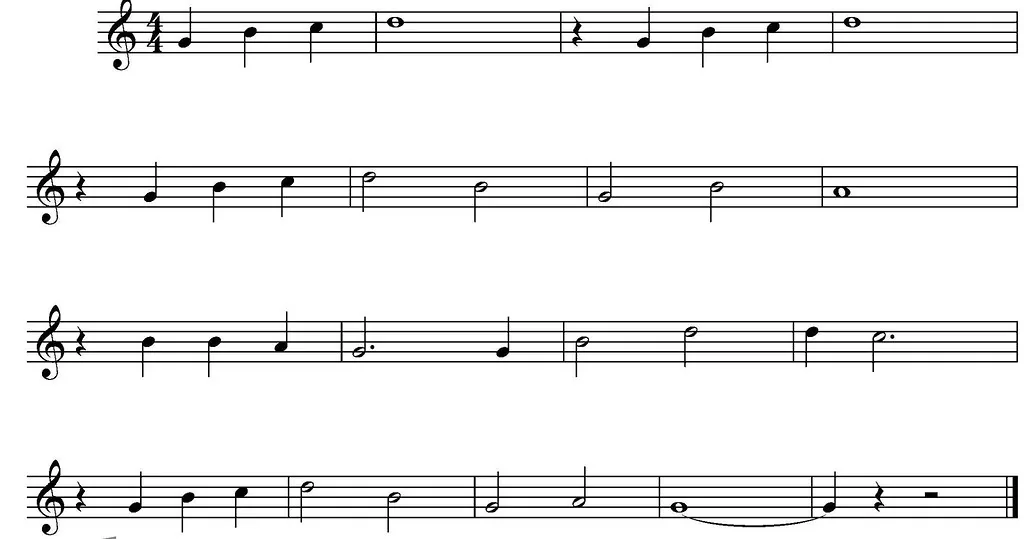

The recorder is a charming instrument, ideal for beginners and music lovers. Finding sheet music suited to your level is essential for making progress and having fun. In this article, we guide you to sources of easy recorder sheet music.
Recorder sheet music is available in various formats, from instant downloads to quickly shipped printed copies. You can explore works by composers such as Mozart, Bach and Bellini, or choose modern arrangements and teaching methods.
A rich and varied catalog lets you choose from classical pieces, folk melodies and even jazz compositions. Accompanying teaching resources also make learning easier. To discover a selection of easy sheet music, visit our dedicated collection.
Introduction to easy recorder sheet music
The recorder is an ideal instrument for beginners: it offers a simple and engaging introduction to music. Easy sheet music supports learning by helping you progress without frustration.
Recorder sheet music is available in various formats, from digital downloads to delivered printed scores. Some pieces, such as those by Scott Joplin or George Frideric Handel, are offered at affordable prices, often under €15. They cover a broad repertoire, from classical melodies to modern arrangements.
Teaching methods have evolved to better meet beginners’ needs. For example, collections such as “63 Traditional Pieces” and “Daily Studies” by Hans-Martin Linde offer audio accompaniment that makes practice easier. These resources combine technical exercises with musical pieces, allowing for structured progress.
Digital tools, such as instant downloads, offer considerable flexibility. Scores can be downloaded in seconds, so you can start playing quickly. Complete editions, such as those of works by Jacob van Eyck, also include detailed commentary that helps explain the nuances of performance.
In short, easy recorder sheet music is a valuable resource for beginners. It combines simplicity with musical variety, helping you get to know the instrument while exploring different styles.
Why choose the recorder as your first instrument?
The recorder is ideal for beginners because it is simple and accessible. Whether you are a child or an adult, it offers a playful and educational introduction to music.
Easy to handle, the soprano recorder is particularly well suited to young musicians. Its simple design has eight finger holes, including one for the thumb, making the first notes easier to learn. Beginner sheet music is also plentiful and covers a varied repertoire, from traditional melodies to modern arrangements.
The recorder’s educational value is strengthened by structured teaching methods. For example, collections such as “63 Traditional Pieces” include audio accompaniments that make practice interactive and engaging. These resources combine technical exercises with musical pieces for balanced progress.
| Feature | Child | Adult |
|---|---|---|
| Ease of learning | Ergonomic design, ideal for small hands | Simple technique, suited to learning new skills |
| Educational value | Interactive methods with audio support | Clear structure for effective progress |
| Enjoyment | Variety of fun melodies | Exploration of different musical styles |
In short, the recorder is an ideal instrument for beginners. It combines simplicity, musical variety and an enjoyable approach to learning, making the experience both pleasant and rewarding.
The benefits of recorder sheet music
Recorder sheet music offers many benefits to beginners and experienced musicians alike. A well-designed score makes learning and performing music easier.
Scores arranged specifically for the instrument make music easier to read and help develop your ear. Their clear structure guides the player through the nuances of a performance. For example, collections such as “63 Traditional Pieces” include audio accompaniments that support interactive practice.
Good accompaniment, whether by an orchestra or a play-along track, can motivate players by providing a rich and engaging sound. It helps them understand the musical setting and improve rhythmic coordination.
| Benefits | Adapted sheet music | Orchestral accompaniment |
|---|---|---|
| Technical development | Focused exercises | Better synchronization |
| Musical progress | Clear structure | Richer sound |
| Motivation | Varied repertoire | Immersive experience |
In short, recorder scores are valuable tools for musical progress. They combine simplicity, musical variety and stimulating accompaniments, making learning both enjoyable and effective.
Easy recorder sheet music: where can you find it?
If you are looking for sheet music suited to your level, several specialist online platforms can help. Tomplay and Stretta Music are among the best-known catalogs and offer a wide choice of recorder sheet music.
For an effective search, use terms such as “easy recorder sheet music” or “beginner recorder scores.” This will help you filter results by your level and musical preferences.
Several sites offer fast delivery in France, including Stretta Music and Paul Beuscher. These online shops offer carefully packed orders and a wide selection of sheet music, from classical melodies to modern arrangements.
If you play in an ensemble, you can also find scores written for several instruments. For example, arrangements of opera pieces can be adapted for recorder, offering a rewarding musical experience.
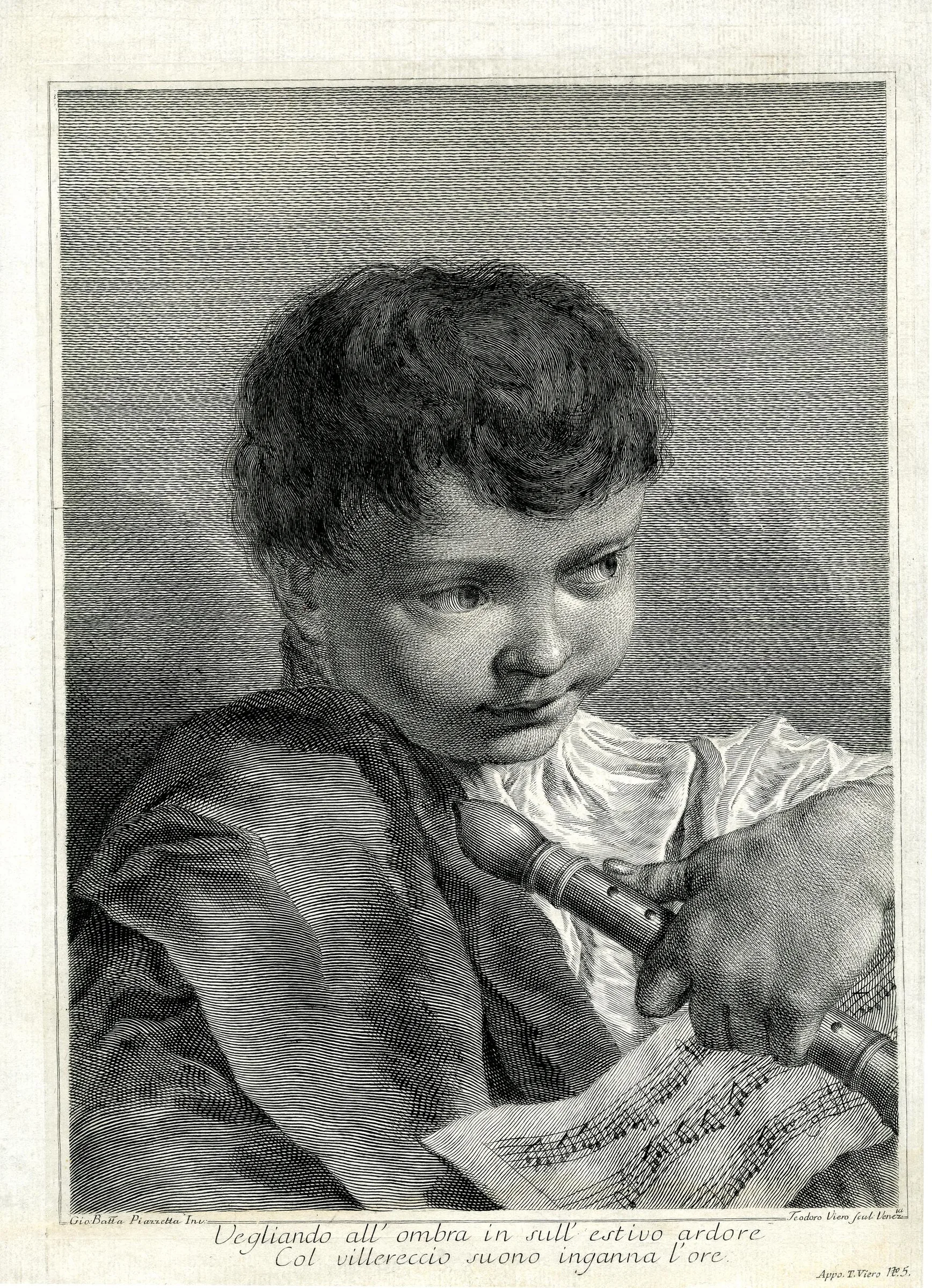
Sites such as Tomplay offer interactive scores with audio accompaniment, ideal for engaging practice. Some scores also include detailed commentary to help you master the nuances of a performance.
Explore different editions and collections
Recorder sheet music editions and collections offer a wealth of material for every level and musical taste. These books support learning and performance while offering a wide variety of styles.
Standard editions present scores in their original form, while annotated editions add detailed explanations to help readers understand technical and artistic nuances. Musicians can choose the approach that suits them best.
Volumes and collections are important for making progress. Their teaching structure guides players through exercises and pieces of increasing difficulty. For example, books such as 12 Studies and 36 Studies from 1851 are valuable references for improving technique.
Some collections stand out for their advanced technique, such as arrangements of Baroque works or contemporary compositions. These scores let you explore varied repertoires that bring together tradition and modernity. Music lovers and collectors will also appreciate the musical quality and careful presentation of these editions.
Beginner sheet music: methods and accompaniments
Beginner scores play a key role in learning the recorder. Teaching methods and musical accompaniments are essential for enjoyable, effective progress.
Choosing a teaching method
Teaching methods designed for beginners provide a clear, gradual structure. For example, François Ripoche’s Music Everywhere! Flute, which comes with an audio CD, offers varied exercises and pieces to make learning easier. Such methods often pair technical exercises with musical pieces for balanced progress.
Methods such as “63 Traditional Pieces” include audio accompaniments that encourage interactive practice. They help develop your musical ear while you explore different styles.
Orchestral accompaniment and play-along tracks
Orchestral accompaniment or a play-along track adds a rich musical dimension to practice. Platforms such as Tomplay offer interactive scores with high-quality audio accompaniments. These tools let you play in an immersive sound environment, improving rhythmic coordination and confidence.
Recordings and multimedia resources are also valuable. For example, collections such as “The Little Flutorama” offer pieces from varied repertoires, ideal for exploring different musical styles. Partnerships with renowned artists add authenticity and make learning more engaging.
| Methods and accompaniments | Benefits | Examples |
|---|---|---|
| Teaching methods | Structured progress, interactive exercises | Music Everywhere! Flute, 63 Traditional Pieces |
| Orchestral accompaniment | Rich sound environment, improved rhythm | Tomplay, scores with audio |
| Play-along tracks | Immersive practice, variety of styles | The Little Flutorama, Jazz Flute Music |
In short, teaching methods and musical accompaniments are valuable tools for beginners. They encourage balanced progress, combining technique and enjoyment, and make learning both effective and pleasant.
A selection of soprano recorder sheet music
The soprano recorder has a range of sheet music for every level, combining melodic richness with ease of performance. These scores, written specifically for the soprano instrument, let you explore varied repertoires, from classical tunes to contemporary arrangements.
The melodies bring out the soprano recorder’s singing tone. For example, arrangements of familiar tunes such as Greensleeves To A Ground add a modern touch while retaining the essence of the original melody. These pieces suit beginners and experienced musicians alike.
The word soprano describes the instrument’s tone and range. The soprano recorder has a high register, ideal for lyrical melodies. Pieces such as Sonata in C Minor highlight these qualities and offer a rewarding musical experience.
Teaching scores are designed to be easy to play and combine technique with enjoyment. For example, methods such as Jazzy Recorder offer fun melodies and interactive exercises. Audio accompaniments and play-along tracks are also available for immersive practice.
In short, soprano recorder sheet music is a valuable resource for all players. It balances learning and enjoyment and lets you explore various musical styles. To discover a selection of suitable scores, visit our dedicated collection.
A selection for alto and tenor recorder
Alto and tenor recorders offer varied repertoires, combining musical richness with expressive nuance. Often used in ensembles or duos, these instruments let you explore lower sounds than those of the soprano recorder.
Unlike the soprano recorder in C, the alto recorder is in F and the tenor recorder is in B♭. These differences in register provide a broad palette of sounds, ideal for solo playing or harmony. For example, pieces such as Greensleeves To A Ground and Sonata in C Minor highlight these warm tones.
| Soprano recorder | Alto recorder | Tenor recorder | |
|---|---|---|---|
| Characteristics | High tone, ideal for lyrical melodies | Midrange tone, versatile | Low, rich tone |
| Examples of scores | Greensleeves | Sonata in C Minor | The Pleasures of the Recorder |
Scores for alto and tenor recorder often include markings for G and other nuances, allowing for expressive performances. Collections such as Baroque Recorder Anthology and Jazzy Recorder offer varied pieces for all levels.
In short, alto and tenor recorders are versatile instruments with a rich sound and many expressive possibilities. Played solo or in an ensemble, they let you explore styles from Baroque music to jazz.
Techniques and exercises to improve your playing
Improving your recorder playing takes regular, focused practice. Finger exercises and scales are essential for strengthening technique and developing fluency.
Finger exercises and scales
Books such as 95 Finger Exercises help develop finger agility and coordination. These exercises, often presented as simple melodies or note sequences, help build muscle memory.
Scales and arpeggios, such as those in 700 Scale and Arpeggio Exercises, are equally important. They help you master intervals, understand musical structure and improve sight-reading. Ascending and descending scales, for example, help develop sound technique and precise execution.
The studies and progressive exercises in some methods strengthen playing technique. They often combine technical exercises with musical pieces for balanced progress. For example, books such as 12 Studies and 36 Studies from 1851 are valuable references for improving technique.
A steady sense of rhythm is also crucial for fluid playing. Audio accompaniments offered by some platforms let you play in a rich sound environment while improving rhythmic coordination and confidence.
In short, finger exercises, scales and studies are essential for improving your recorder playing. They provide structured progress that combines technique with enjoyment, making learning both effective and pleasant.
Understanding music theory for the recorder
Music theory provides an essential foundation for mastering the recorder. It helps you understand scores and improve your musical interpretation.
Concepts such as notes, rests and clefs apply directly to reading sheet music. For example, recognizing notes and rhythms makes reading music easier. Every line and part of a score has a specific meaning and guides the player through the melody and harmony.
For beginners, simple theory exercises such as identifying note values and recognizing intervals are particularly useful. They help build a solid understanding of musical structure.
Many teaching methods, such as Music Everywhere! Flute, incorporate theory interactively. These resources pair theory lessons with pieces to play, making learning both instructive and engaging.
As one music teacher put it:
“Theory is not a constraint but a tool for freeing creativity and musical expression.”
This perspective highlights the importance of theory in improving your playing.
In short, understanding music theory helps you play the recorder better and appreciate the richness of music. To deepen your knowledge, explore comprehensive learning resources.
The importance of instrumental accompaniment
Instrumental accompaniment plays a key role in performance and enriches the sound of a piece. For recorder music, piano, guitar and orchestral accompaniments add depth and emotion.
Piano accompaniment adds harmonic richness and guides the player through the nuances of a melody. For example, scores such as Greensleeves To A Ground benefit from piano accompaniment that provides a rich musical setting. Likewise, orchestral accompaniment can turn a simple melody into an immersive musical experience.
Platforms such as Tomplay offer play-along tracks with guitar accompaniment, ideal for exploring more intimate styles. These resources help develop your musical ear and rhythmic coordination. Playing in an ensemble with other musicians also encourages creativity and expression.
In short, instrumental accompaniments enrich musical performance. They support structured progress, combining technique and enjoyment, and make learning both effective and pleasant.
Where can you buy or download sheet music online?
Finding sheet music suited to your level and instrument is essential for musical progress. You have several options for buying or downloading scores online.
Buying options and fast delivery in France
Platforms such as Stretta Music and Paul Beuscher offer a wide selection of recorder sheet music. With fast delivery in France, you can receive your scores within 24 to 48 hours. Some shops also offer delivery once an order reaches a certain value.
Instant downloads and the benefits of digital scores
Instant downloads are a convenient way to access scores quickly. Platforms such as MuseScore offer digital downloads, so you can start playing without waiting. These digital scores often come with extra resources, such as audio accompaniments or play-along tracks, to enrich your practice.
Digital tools also let you personalize scores and adapt them to your needs. For example, you can adjust the tempo or explore different keys to master a piece. These tools are particularly useful for beginners: their flexibility and interactivity make learning easier.
In short, buying or downloading sheet music online is easier than ever. Take advantage of fast delivery and instant downloads to access a wide choice of recorder scores. Whether you want classical melodies or modern compositions, online resources can support your musical journey.
Historical scores and Baroque works for recorder
Historical scores offer a window into the development of music and let players discover composers of the past. These works, often from the Baroque centuries, provide a sound foundation for authentic performance.
Baroque compositions stand out for their complexity and richness. Composers such as Handel and Jacob van Eyck created notable works for recorder. For example, van Eyck’s works feature ornamented melodies typical of the Baroque period, offering both technical and artistic challenges.
Some annotated editions, such as those of works from the 16th and 17th centuries, add detailed explanations. These collections help readers understand historical nuances and perform old scores today.
Collections devoted to historical composers let you explore varied repertoires. For example, works by Handel and Bach offer musical richness for players who want to develop their technique.
Studying old scores has real educational value. It helps you understand musical structures and historically informed performance. These collections are often used in recorder lessons to illustrate how playing techniques have evolved.
Baroque compositions still influence contemporary music. Many modern artists draw on them to create innovative melodies. For example, arrangements of Baroque pieces are often played in contemporary settings, demonstrating their lasting appeal.
In short, studying historical and Baroque scores is valuable for any musician who wants to deepen their practice. These rich, complex works offer a distinctive view of music’s development and continue to inspire contemporary composers.
Musicians’ and experts’ views on sheet music
Expert opinions and professional feedback play an important role in assessing the quality of scores. Many musicians and teachers share their experiences and offer valuable insight into the available resources.
- Jean-Pierre Rampal, a renowned flutist, emphasizes the importance of choosing scores suited to the player’s level. He indicates that collections such as Music Everywhere! Flute balance technique and melody.
- Aurèle Nicolet, another prominent figure, particularly appreciates scores with audio accompaniments. In his view, they make learning easier and enrich musical practice.
| Expert | Benefits highlighted | Example score |
|---|---|---|
| Jean-Pierre Rampal | Balance between technique and melody | Music Everywhere! Flute |
| Aurèle Nicolet | Audio accompaniments | 63 Traditional Pieces |
In short, expert views highlight the importance of choosing quality scores. Collections recommended by specialists offer structured progress and musical variety that can benefit all players.
Conclusion
Recorder music offers a wealth of material for all levels and styles. Easy scores provide an ideal foundation for making progress without frustration while exploring varied repertoires.
Available resources, such as audio accompaniments and teaching methods, make learning and performance easier. Choosing scores suited to your level is essential, whether you prefer classical melodies or modern arrangements.
Available editions and collections let you discover classical and contemporary composers. Digital tools, such as play-along tracks, enrich practice and encourage creativity.
Ultimately, music and learning go hand in hand. Exploring online shops and trying audio accompaniments are useful steps toward progress. Make the most of these resources to turn the recorder into a rewarding companion on your musical journey.
Further resources
To deepen your recorder practice, explore these additional resources. They offer many collections, volumes and learning tools for all levels.
Explore online resources and additional books such as My First Melodies in French, which contains 31 pieces, or Easy Concert Pieces 3, with its 14 pieces. These volumes support structured progress.
For duos or ensembles, choose arrangements such as 6 Easy Pieces for the First Ensemble Lessons for 4 Recorders. These scores make group playing easier.
Discover more songs and compositions on platforms such as Tomplay and Stretta Music. These sites offer interactive scores and audio accompaniments.
Use digital tools to make learning easier. Applications such as MuseScore offer instant downloads and interactive features.
Browse the catalogs of Stretta Music and Paul Beuscher for a wide choice of sheet music. These resources can help any recorder player who wants to progress.
FAQ
Which scores are best suited to soprano recorder beginners?
What are the benefits of playing the recorder in an ensemble?
Where can I find recorder sheet music with piano accompaniment?
What is the difference between a soprano and an alto recorder?
How can I improve my recorder technique?
What are the best-known historical recorder scores?
Where can I buy recorder sheet music online?
Source links
- https://en.wikipedia.org/wiki/Recorder_(musical_instrument)
- https://en.wikipedia.org/wiki/Recorder_(musical_instrument)
- https://en.wikipedia.org/wiki/Recorder_(musical_instrument)
- https://en.wikipedia.org/wiki/Recorder_(musical_instrument)
- https://www.orchestredecaen.fr/jouer-des-chansons-connues-a-la-flute-a-bec/
- https://en.wikipedia.org/wiki/Recorder_(musical_instrument)
- https://en.wikipedia.org/wiki/Recorder_(musical_instrument)
- https://en.wikipedia.org/wiki/Recorder_(musical_instrument)
- https://www.orchestredecaen.fr/doigtes-de-base-pour-flute-a-bec-un-tutoriel/
- https://en.wikipedia.org/wiki/Recorder_(musical_instrument)
- https://en.wikipedia.org/wiki/Recorder_(musical_instrument)
- https://en.wikipedia.org/wiki/Recorder_(musical_instrument)
- https://en.wikipedia.org/wiki/Recorder_(musical_instrument)
- https://en.wikipedia.org/wiki/Recorder_(musical_instrument)
- https://en.wikipedia.org/wiki/Recorder_(musical_instrument)
- https://en.wikipedia.org/wiki/Recorder_(musical_instrument)
- https://en.wikipedia.org/wiki/Recorder_(musical_instrument)
- https://en.wikipedia.org/wiki/Recorder_(musical_instrument)
- https://en.wikipedia.org/wiki/Recorder_(musical_instrument)
- https://en.wikipedia.org/wiki/Recorder_(musical_instrument)
- https://en.wikipedia.org/wiki/Recorder_(musical_instrument)
- https://en.wikipedia.org/wiki/Recorder_(musical_instrument)
- https://www.orchestredecaen.fr/apprendre-les-notes-de-musique-sur-flute-a-bec/
- https://en.wikipedia.org/wiki/Recorder_(musical_instrument)
- https://en.wikipedia.org/wiki/Recorder_(musical_instrument)
- https://en.wikipedia.org/wiki/Recorder_(musical_instrument)
- https://en.wikipedia.org/wiki/Recorder_(musical_instrument)
- https://en.wikipedia.org/wiki/Recorder_(musical_instrument)
- https://en.wikipedia.org/wiki/Recorder_(musical_instrument)
- https://en.wikipedia.org/wiki/Recorder_(musical_instrument)
- https://en.wikipedia.org/wiki/Recorder_(musical_instrument)
- https://en.wikipedia.org/wiki/Recorder_(musical_instrument)
- https://en.wikipedia.org/wiki/Recorder_(musical_instrument)
- https://www.orchestredecaen.fr/les-meilleures-partitions-pour-flute-a-bec/
- https://en.wikipedia.org/wiki/Recorder_(musical_instrument)
- https://en.wikipedia.org/wiki/Recorder_(musical_instrument)
- https://en.wikipedia.org/wiki/Recorder_(musical_instrument)
- https://en.wikipedia.org/wiki/Recorder_(musical_instrument)
- https://en.wikipedia.org/wiki/Recorder_(musical_instrument)
- https://en.wikipedia.org/wiki/Recorder_(musical_instrument)
- https://en.wikipedia.org/wiki/Recorder_(musical_instrument)