
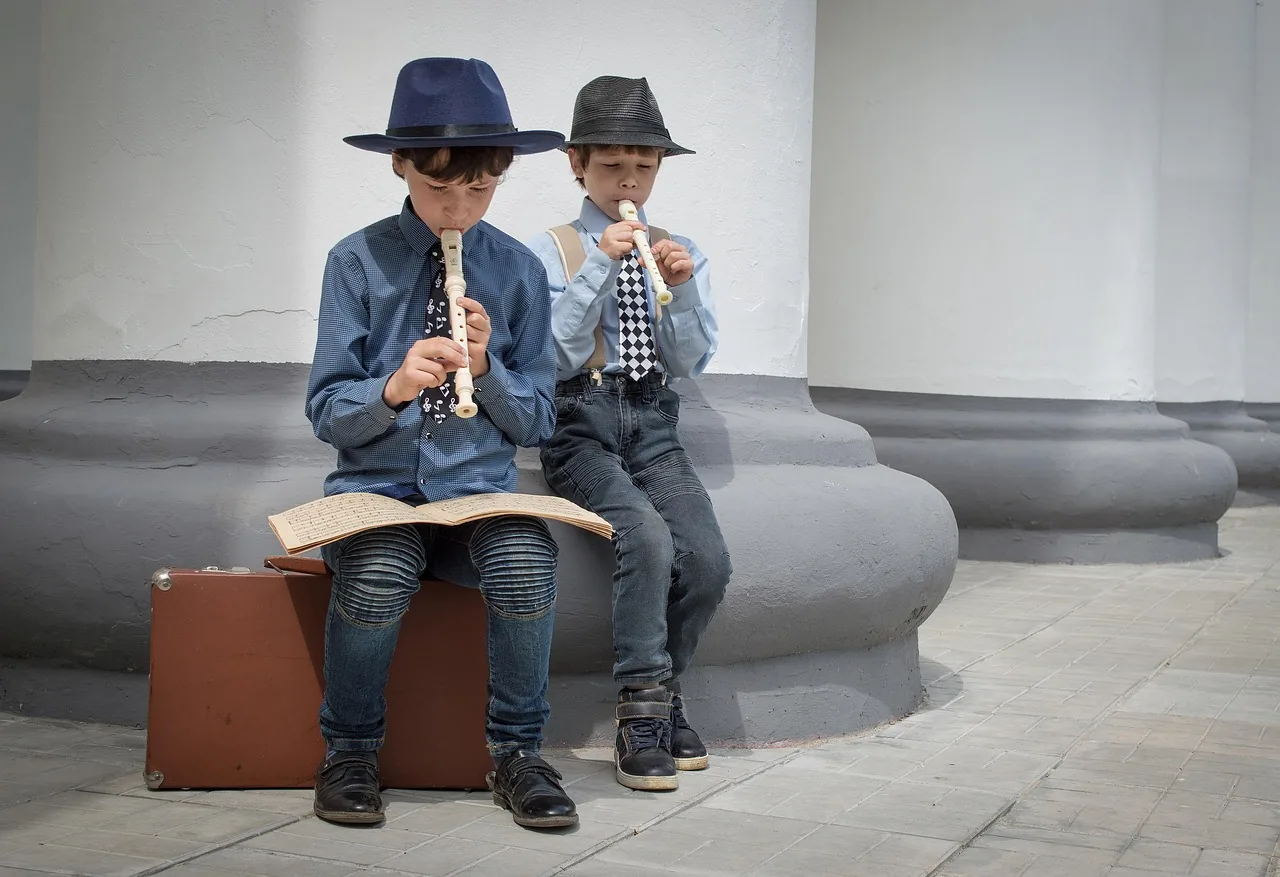

The recorder is a wind instrument loved for its gentle, melodic sound. Ideal for beginners, it offers a rewarding musical journey. In this guide, we share practical advice to help you master it effectively.
To get off to a good start, choosing the right recorder is essential. The soprano recorder is especially suitable for beginners. The quality of the instrument plays a crucial role in how easy it is to learn and produce clear notes.
Regular practice is the key to improving quickly. Even short sessions of about 10 minutes a day can make a big difference. Discover how to organize your practice sessions to make the most of your progress.
Breathing and fingering exercises are essential. Learn to position your fingers correctly and control your breath to produce clear, harmonious notes.
Finally, remember that patience is your ally. Learning the recorder is a gradual process, but every small achievement brings you closer to your musical goal.
Introduction
The recorder, an emblematic instrument of Baroque music, is loved for its gentle, melodic sound. Its historical role in that period makes it an ideal instrument for beginners.
An overview of the recorder
Accessible and easy to handle, the alto recorder, which measures about 47 cm, is particularly suitable for beginners. Its range, from F₄ to F₆, offers great musical versatility. Lightweight, durable plastic models are recommended when starting out.
Goals and considerations for improving quickly
This guide will help you develop your recorder skills efficiently. Organizing your practice sessions and practising regularly are essential. Breathing and fingering exercises, including those based on German fingering, make learning easier. The quality of the instrument directly affects your progress.
Lessons, whether online or with a teacher, provide personalized support. Motivation plays a key role at every stage of learning.
Choosing the right recorder
Choosing a suitable recorder is essential for effective learning and an enjoyable musical experience. Whether you are a beginner or an advanced player, you have specific needs. This section covers the main criteria for choosing your instrument.
Selection criteria and budget
Budget is an important factor. Beginner recorders generally cost between 80 and 150 euros. Look for an instrument that offers good value for money. Material, tuning and accessories are also important considerations. A plastic recorder is often recommended for beginners because it is durable and easy to maintain.
Wood or plastic: advantages and disadvantages
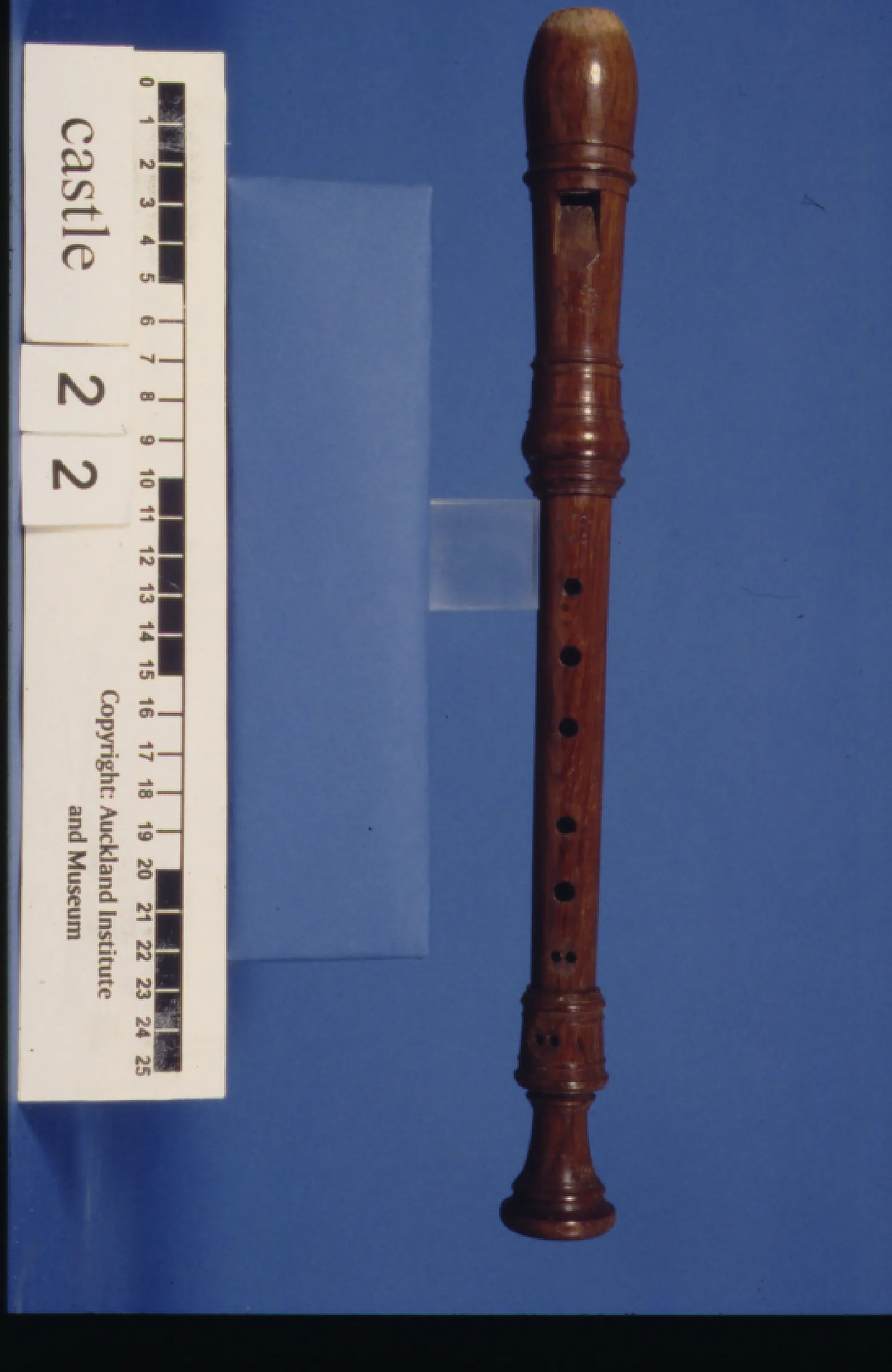
Wooden recorders offer a rich, warm sound but require regular maintenance. Plastic models, on the other hand, are more durable and easier to care for, making them ideal for beginners. The durability of plastic recorders makes them well suited to everyday use.
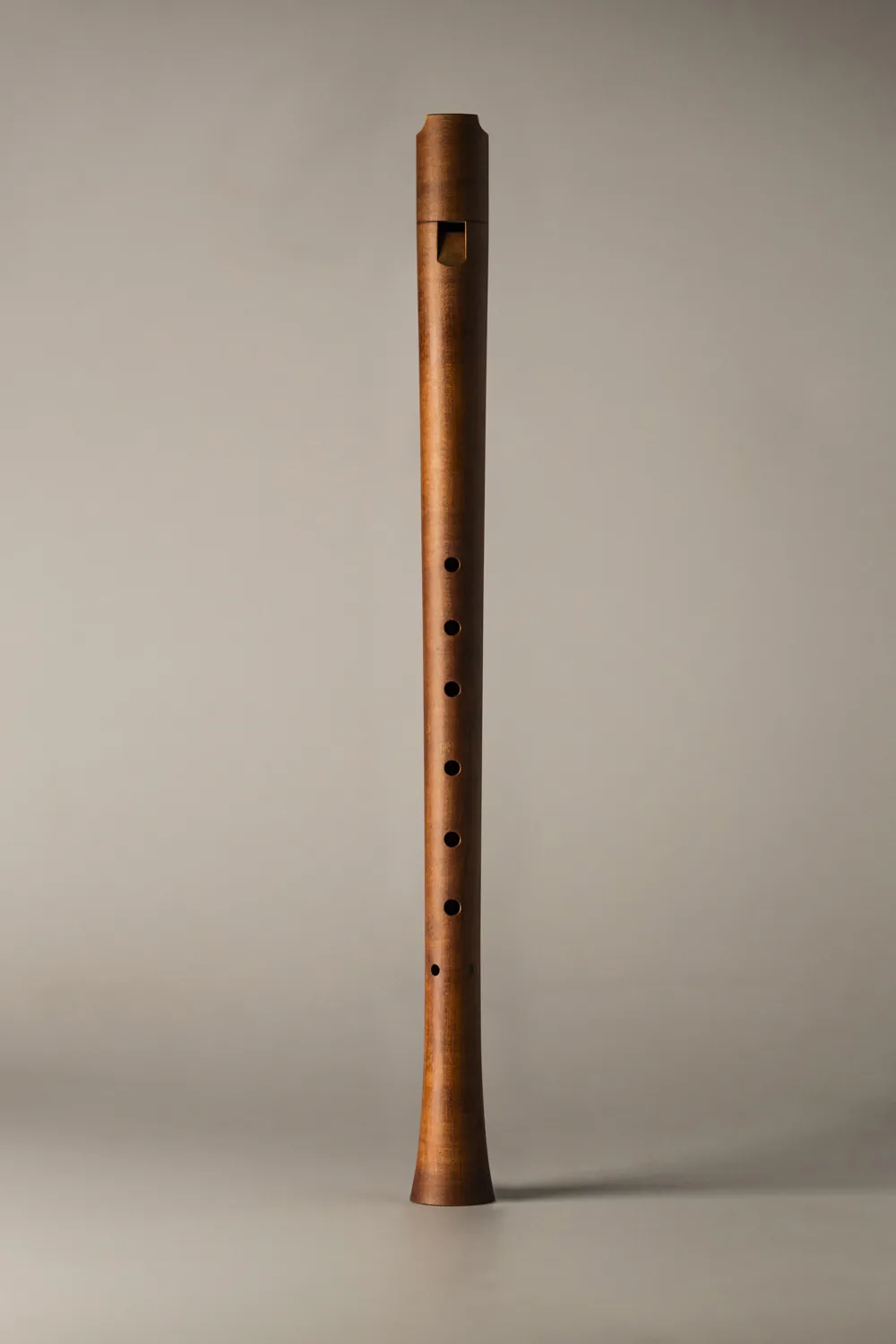
Choosing according to the player’s level
For beginners, the soprano recorder is the most suitable because it is easy to handle. Look for brands known for their quality, such as Yamaha or Aulos. Read reviews on specialist sites to avoid purchasing mistakes, and make sure you understand the criteria for choosing your instrument.
In conclusion, choosing the right recorder is a long-term investment. Strike a balance between quality and budget, and consider asking a teacher or music shop for advice.
Learning methods and lessons
There are several ways to learn the recorder, each with its own advantages. Structured teaching methods, such as Suzuki and Orff, offer a systematic approach, while self-directed learning provides considerable flexibility.
Teaching approaches: Suzuki, Orff and self-directed learning
The Suzuki method focuses on learning through listening and repetition, making it ideal for beginners. It emphasizes sound quality and the gradual development of technique. The Orff method combines music and movement, encouraging a more playful and interactive approach.
Self-directed learning lets you progress at your own pace, often with the help of online tutorials and sheet music. It is particularly suitable for people who prefer to learn independently.
The importance of lessons and regular practice
Lessons, whether online or in person, play a key role in improving your technique. An experienced teacher can correct mistakes and suggest focused exercises, helping you learn faster.
Regular practice, even in short sessions, strengthens technique and confidence. Practising every day improves coordination between your fingers and breathing, allowing you to play more smoothly and accurately.
In conclusion, choosing a method that suits your learning style and practising regularly are the keys to mastering and enjoying the recorder.
Playing techniques and fingering
Mastering the recorder calls for good posture, controlled breath and focused fingering exercises. These essentials help you produce clear, harmonious notes while avoiding unnecessary tension.
Holding the instrument and maintaining good posture
Posture plays a crucial role in producing the best possible sound. Hold the instrument securely, making sure your fingers can cover the holes completely without excessive effort. An upright, relaxed posture supports deep, steady breathing.
Breath control and articulation
Your breath should be steady but gentle. Breathe in deeply through your nose, then exhale evenly. Articulate notes by adjusting air pressure and the position of your lips. Mastering these techniques helps you play accurately and expressively.
Basic exercises for mastering fingering
Start with simple exercises, such as those based on German fingering, to develop dexterity. Repeat notes ascending and descending, making sure each finger covers its hole completely. These exercises strengthen coordination and fluency.
| Technique | Benefits | Tips |
|---|---|---|
| Upright posture | Improves breathing | Avoid hunching over |
| Controlled breath | Produces a clear sound | Practise breathing exercises |
| Fingering exercises | Improve coordination | Repeat them regularly |
In conclusion, mastering playing techniques and fingering takes dedicated practice. By following this advice and incorporating focused exercises, you can improve quickly and enjoy a rewarding musical experience. To explore these techniques further, see our dedicated tutorial.
How can you improve quickly at the recorder?
Mastering the recorder depends on focused exercises, regular practice and effective planning. To improve quickly, it is essential to give your learning some structure.
Practical tips for learning faster
- Practise regularly: even 10 minutes a day can make a significant difference.
- Set goals: choose achievable short-term targets to stay motivated.
- Work on basic exercises: fingering and breathing exercises improve your technique.
- Use learning resources: methods such as Suzuki or online tutorials can guide you.
Organizing an effective practice plan
Structured practice is essential. Start with simple exercises, then move on to more complex melodies. Allow time for breaks to avoid fatigue and maintain your concentration.
Finally, remember to measure your progress. Record yourself regularly to assess how you are developing and adjust your exercises accordingly. To explore these techniques further, see our guide: How to play “Au clair de la lune”.
Additional resources and learning materials
Several online resources and tutorials can support your recorder studies. These tools can help you deepen your knowledge and improve your technique.
Useful websites and online tutorials
Sites such as Le Parisien, Allegro Musique and ApprendreLaFlute.com offer detailed tutorials and practical advice. These platforms cater to everyone from beginners to experienced musicians.
- Le Parisien publishes educational articles about music and wind instruments.
- Allegro Musique provides free sheet music and instructional videos.
- ApprendreLaFlute.com specializes in interactive lessons and audio exercises.
Guides, sheet music and audio examples
These sites offer guides and sheet music, ranging from classical melodies to modern compositions. These resources let you practise a variety of tunes while refining your technique.
In conclusion, these additional resources can enrich your learning. Explore the sites and use their content to help you improve.
Finding a teacher and the right support
Working with a qualified teacher is an important step toward improving at the recorder. A good teacher guides you, corrects mistakes and gives you exercises suited to your needs.
Choosing a qualified teacher
Choosing an experienced teacher is essential. Look for someone with substantial experience teaching the recorder. You can find private or group lessons on platforms such as Allegro Musique or at music schools near you.
Check teachers’ qualifications and experience. Reviews from other students can help you choose. A good teacher will adapt to your level, whether you are a beginner or an advanced player.
The benefits of private and group lessons
Private lessons offer a personalized approach that is ideal for addressing specific difficulties. Group lessons encourage interaction and shared motivation. Use online resources to find teachers near you or take lessons remotely.
Good guidance helps refine your technique and musicianship. Ask fellow students or other musicians for advice when looking for the right teacher.
In conclusion, a skilled teacher and good support are essential for improving at the recorder. Take time to choose your teacher and explore the available resources to find lessons that suit you.
Conclusion
Learning the recorder is a rewarding journey that combines technique and passion. To improve, choose an instrument suited to your level and favour structured methods, with help from a teacher or online resources.
Breath control, fingering exercises and regular practice are the keys to mastering this instrument. Draw on additional resources, such as tutorials and online guides, to deepen your knowledge.
Finally, stay motivated and follow a daily practice plan. Music is a source of pleasure and relaxation. Explore our complete guide to mastering the recorder.
Thank you for following this tutorial. Share your experience or ask questions in the comments so we can keep improving together!
FAQ
What is the difference between a soprano recorder and a transverse flute?
Which exercises help improve recorder fingering?
How should I choose between a plastic and a wooden recorder?
Why are breathing and breath control important when playing the recorder?
What are the best sites for learning the recorder online?
How can I organize effective daily practice?
What are the benefits of taking lessons with a recorder teacher?
What sheet music is suitable for a beginner recorder player?
What are the signs that a child is ready to learn the recorder?
How do I maintain a recorder to preserve its sound quality?
Source links
- https://en.wikipedia.org/wiki/Recorder_(musical_instrument)
- https://en.wikipedia.org/wiki/Recorder_(musical_instrument)
- https://en.wikipedia.org/wiki/Recorder_(musical_instrument)
- https://en.wikipedia.org/wiki/Recorder_(musical_instrument)
- https://www.orchestredecaen.fr/choisir-sa-premiere-flute-a-bec-conseils-utiles/
- https://en.wikipedia.org/wiki/Recorder_(musical_instrument)
- https://en.wikipedia.org/wiki/Recorder_(musical_instrument)
- https://en.wikipedia.org/wiki/Recorder_(musical_instrument)
- https://en.wikipedia.org/wiki/Recorder_(musical_instrument)
- https://www.orchestredecaen.fr/apprendre-les-notes-de-musique-sur-flute-a-bec/
- https://en.wikipedia.org/wiki/Recorder_(musical_instrument)
- https://en.wikipedia.org/wiki/Recorder_(musical_instrument)
- https://en.wikipedia.org/wiki/Recorder_(musical_instrument)
- https://en.wikipedia.org/wiki/Recorder_(musical_instrument)
- https://en.wikipedia.org/wiki/Recorder_(musical_instrument)
- https://en.wikipedia.org/wiki/Recorder_(musical_instrument)
- https://en.wikipedia.org/wiki/Recorder_(musical_instrument)
- https://www.orchestredecaen.fr/le-plaisir-de-jouer-de-la-flute-a-bec-en-concert/
- https://en.wikipedia.org/wiki/Recorder_(musical_instrument)
- https://www.orchestredecaen.fr/debuter-la-flute-a-bec-guide-pour-les-novices/
- https://www.orchestredecaen.fr/doigtes-de-base-pour-flute-a-bec-un-tutoriel/