
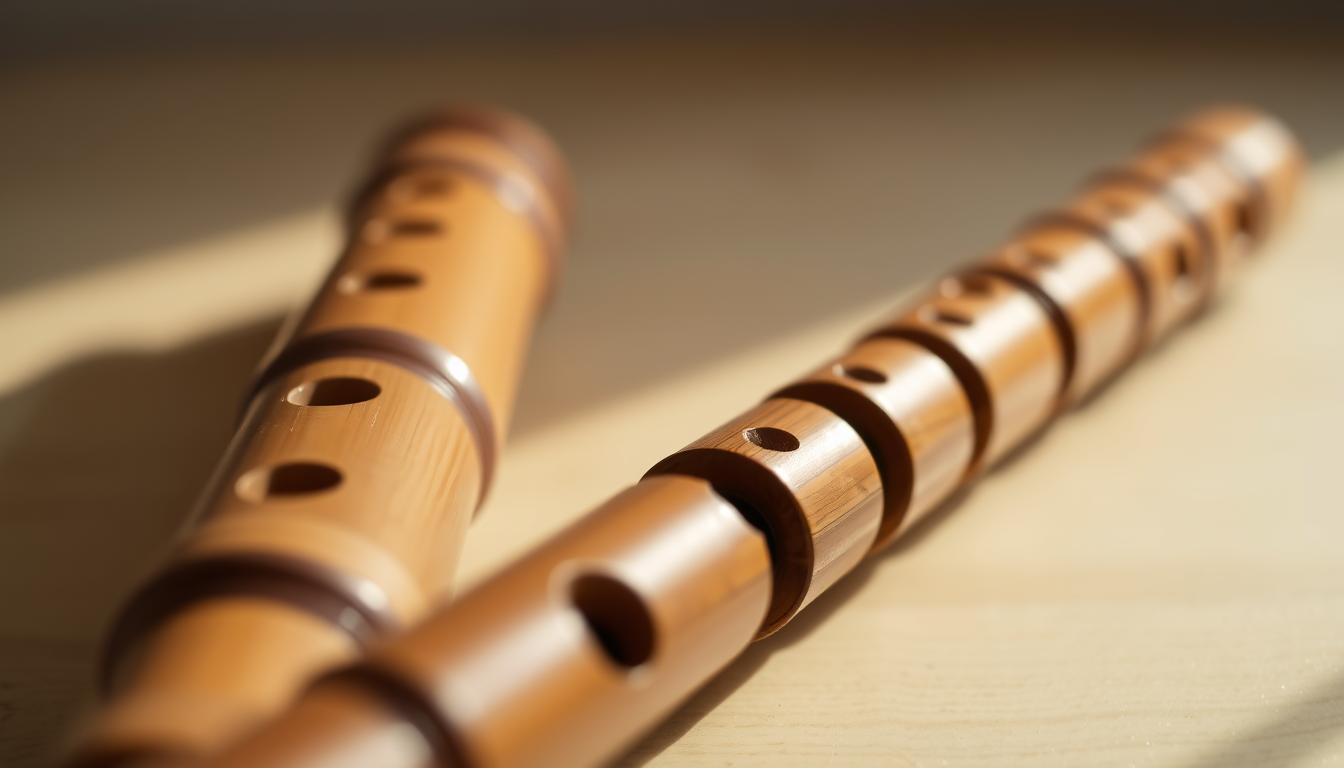

The recorder is a fascinating instrument that attracts many curious learners. If you are wondering whether teaching yourself is possible, the answer is yes! With well-structured lessons, you can soon play your first tunes.
Basic music theory is essential for making progress. Although the instrument may seem simple, understanding musical concepts will help you get more out of your practice. The first steps are exciting, and with a little perseverance, you will soon be able to play short pieces.
Sources such as Le Parisien and Allegro Musique offer practical advice for beginners. These resources can guide you through your first notes and help you choose a recorder that suits your needs.
Whether you are drawn to a plastic recorder or a wooden one, the important thing is to start with enthusiasm. Here is a clear guide to beginning your musical journey on your own.
Introduction: Why Teach Yourself the Recorder?
Teaching yourself the recorder offers a unique opportunity to discover the world of music while pursuing a personal passion. This approach helps you build a solid understanding of musical basics, which is essential for progress.
Music theory plays a key role. Although the instrument may seem simple, a good grasp of musical concepts will help you appreciate your playing more fully. Structured approaches such as Suzuki or Orff provide a useful framework for beginners.
By following the steps in this guide, you can soon play your first melodies. This musical journey will help you gain confidence and reach a rewarding level of ability. Find out how to structure your learning and make the most of your progress.
Recorder Basics and Distinctive Features
The recorder stands out for its design and sound. Usually made of plastic or wood, it has different sound qualities depending on the material. Plastic recorders are ideal for beginners because they are more durable and easier to maintain. Wooden recorders are more delicate, but produce a richer, warmer sound.
Playing technique differs slightly according to the material. Plastic recorders call for steadier air pressure, while wooden recorders require finer breath control. Fingering is also crucial, as each finger position directly affects the quality and accuracy of the notes you play.
The recorder’s acoustic qualities include a clear range and the ability to produce gentle or vibrant sounds. Good technique lets you control the nuances needed for expressive playing. For example, accurate fingering can prevent air leaks and improve the clarity of notes.
Understanding the recorder’s materials and playing techniques is essential to controlling its sound. Whether you choose plastic or wood, regular practice and attention to fingering will help you get the most from the instrument.
The Benefits of Playing the Recorder
The recorder has many advantages, particularly its accessibility for beginners. Its distinctive sound makes it enjoyable to play as you progress through each stage.
One of its greatest benefits is the satisfaction of improving at your own pace. Regular practical exercises build confidence and deepen your enjoyment of music. Teaching yourself also gives you flexibility that suits a beginner’s needs.
The instrument is easy to get started with, and playing simple melodies from the first lessons can be motivating. These musical and personal benefits make the recorder an appealing choice for anyone who wants to begin making music without pressure.
Choosing the Right Recorder
Choosing a recorder that suits your needs is an important step in learning effectively. Whether you are a beginner or want to improve, the right instrument can make a substantial difference.
Wooden or Plastic Recorders
Plastic recorders are ideal for beginners because they are durable and easy to maintain. They are also less expensive, with prices generally between 150 and 300 euros. Wooden recorders offer a richer, warmer sound, but are more fragile and require better breath control.
How to Choose an Instrument
Your budget, playing level and desired sound quality are key factors. For beginners, a plastic model costing between 150 and 300 euros is recommended. More advanced players may choose wooden recorders for their greater musical expressiveness. Remember the importance of accessories such as a case and cleaning swab, which help you care for and protect your instrument.
- Compare the advantages and disadvantages of each material.
- Choose an instrument that suits your level and budget.
- Remember the essential accessories.
Finding a Suitable Teacher and Lessons
Good instruction helps you progress quickly and consistently. Whether you are a beginner or want to improve your skills, finding a teacher and lessons that meet your needs is an important step.
Group or Private Lessons
Group lessons provide a lively, motivating environment, especially if you enjoy learning alongside others. Private lessons offer individual guidance and can be adapted to each student’s pace.
Benefits of Guided Instruction
Structured instruction gives you a regular schedule and clear goals. Qualified teachers, such as those available through Allegro Musique, can adapt to your level and ambitions. Practising regularly, even for a short time each day, is essential for progress.
| Lesson type | Duration | Frequency | Cost | Learning environment |
|---|---|---|---|---|
| Group lessons | 1 to 1½ hours | Weekly | Moderate | Motivating groups |
| Private lessons | 30 minutes to 1 hour | Flexible | High | Individual attention |
- Compare the benefits of group and private lessons.
- Set aside time to practise regularly.
- Choose a qualified teacher.
- Fit lessons around your schedule.
First Steps in Teaching Yourself
Teaching yourself the recorder begins with a structured plan. Good organisation helps you progress quickly and effectively.
A Structured Learning Plan
A detailed plan gives your progress direction. Start with clear goals, such as mastering one note or exercise each day. A daily routine will help you develop good habits and improve your skills.
Repeating notes and exercises regularly is crucial. Plan short, frequent sessions, ideally 15 to 20 minutes a day. This encourages steady progress and helps prevent frustration.
Organising Daily Practice
Build a routine that fits your daily life. For example, practise at the same time each day to form a lasting habit. Use a schedule to stay motivated and track your progress.
| Day | Exercise | Duration | Goal |
|---|---|---|---|
| Monday | Warm-up | 5 minutes | Relax your fingers |
| Tuesday | Basic notes | 10 minutes | Master the notes |
| Wednesday | Break | – | Rest |
| Thursday | Exercises | 15 minutes | Improve technique |
| Friday | Review | 10 minutes | Consolidate what you have learned |
Regular habits will help you consolidate your skills and progress faster. Consistency is essential to mastering the recorder.
Understanding Music Theory and Fingering
Music theory and fingering are essential to learning the recorder. These skills help you play correctly and appreciate music more fully.
Music Theory Basics
Music theory covers the fundamentals of music, including recognising notes, rhythms and tempos. Understanding these concepts is crucial to playing accurately and expressively. As with piano or guitar, recognising notes supports precise musical performance.
The basic notes—C, D, E, F, G, A and B—make up the musical scale. They are the same notes used on other instruments, making the transition easier for people with previous musical experience.
Essential Fingering Techniques
Recorder fingering requires precise finger coordination. Each note has a particular finger position over the instrument’s holes. For example, to play a C, you must cover the first three holes with the fingers of your left hand and your right thumb.
Compared with guitar or piano, where chords or octaves can be complex, recorder fingering is relatively simple. Regular practice is still needed to master transitions between notes.
Here is a comparison of fingering techniques for recorder, guitar and piano:
| Instrument | Fingering technique | Complexity |
|---|---|---|
| Recorder | Placing fingers over the holes | Simple |
| Guitar | Pressing strings against the fretboard | Moderate |
| Piano | Using all fingers to play chords | High |
Combining theory with regular practice will improve your hand and finger coordination as well as your technique.
- Practise regularly to improve hand and finger coordination.
- Use a metronome to keep a steady tempo.
- Try diaphragmatic breathing exercises to improve breath control.
Understanding music theory and mastering fingering are essential to progressing on the recorder. Together with dedicated practice, these skills will help you play with confidence and accuracy.
Can You Teach Yourself to Play the Recorder?
Learning the recorder without a teacher is entirely possible. With well-structured methods and suitable resources, you can progress quickly and effectively.
Effective Self-Teaching Methods
Ways to teach yourself include online lessons and video tutorials. Sites such as Allegro Musique offer practical advice for beginners. These resources can guide you through your first notes and help you choose a recorder that suits your needs.
Practical Exercises for Beginners
Practical exercises are essential for making progress. Here are some examples for beginners:
- Warm-up: Spend 5 minutes relaxing your fingers.
- Fingering exercises: Spend 10 minutes mastering basic notes.
- Repeat simple melodies.
By following these methods and practising regularly, you will soon be able to play your first melodies. Consistency is essential to mastering the recorder.
Building Confidence and Overcoming Musical Fears
Regular recorder practice is an excellent way to overcome fear of failure. A few minutes of focused exercises each day will strengthen your skills and build your confidence. This consistency will help you progress without becoming discouraged.
Overcoming Fear of Failure
Many people worry that they will not succeed, but every mistake is a step towards improvement. Record yourself to hear your progress and identify areas to work on. This will also help you recognise your strengths and focus your efforts.
Managing Limited Time and Motivation
Lack of time is a common challenge. Plan short but effective sessions, even just 10 minutes a day, to maintain your routine. Use time-management apps to stay motivated and organised.
As with other instruments, perseverance matters. Be patient and celebrate each small achievement to stay motivated. Every musician has faced similar challenges at the beginning.
- Practise regularly, even if sessions are short.
- Set realistic goals and celebrate your progress.
- Use time-management tools to make the most of your sessions.
These tips can help you overcome your fears and stay motivated. Music is a journey, and every step is an opportunity to learn and grow.
Practical Exercises and Techniques for Progress
Developing effective technique is essential to improving on the recorder. Whether you are a child or an experienced musician, focused exercises can improve your fingering and music-reading skills.
Fingering Exercises
Fingering is a key skill. Try these exercises:
- Exercise 1: Place your fingers over the holes without covering them. Move them quickly to improve coordination.
- Exercise 2: Play individual notes, concentrating on the exact position of each finger.
Music-Reading Exercises
Simple exercises can improve your music reading:
- Read beginner sheet music to become familiar with musical symbols.
- Play simple melodies with a metronome to improve your sense of rhythm.
| Exercise | Goal | Benefit |
|---|---|---|
| Finger warm-up | Improve coordination | Greater dexterity |
| Reading sheet music | Understand notes | Improved accuracy |
Regular practice and a methodical approach are essential for progress. Whether you are a child or an adult musician, these exercises will help you master the recorder and enjoy music.
Time Management and the Importance of Consistency
Managing your time effectively is fundamental to learning the recorder. Setting a clear plan for daily practice helps you maintain the consistency needed to improve.
Regular practice, even in short sessions, is more effective than long, irregular sessions. It reinforces your technical foundations and gives you better control of the instrument.
- Create a detailed weekly schedule.
- Do focused exercises for short periods.
- Use time-management tools to stay organised.
By structuring your practice time, you can identify your strong and weak points, then focus your efforts for balanced progress. For example, devote some sessions to fingering exercises and others to reading music.
Careful organisation and regular practice will help you get the most out of learning. Consistency is the key to success.
Tips for Improving Technique and Musicality
Improving your recorder technique and musicality takes regular practice and focused advice. Here are a few tips to help you progress.
Advice from Professionals
Experienced musicians recommend practising regularly, even for short periods. Fifteen to twenty minutes a day can make a substantial difference. Use a metronome to improve your rhythm and accuracy.
- Do fingering exercises to improve coordination.
- Record yourself to hear your progress and correct mistakes.
- Do breathing exercises to improve breath control.
These small actions, done consistently, can greatly improve your technique.
Group Practice and Feedback
Practising in a group is an excellent way to improve. Playing with other musicians helps you motivate one another and benefit from feedback.
- Take part in workshops or group lessons.
- Share advice and tips with other learners.
- Learn from people with more experience.
Few things are as effective as sharing experiences when you want to improve your musicality.
To improve your technique and musicality, combine regular practice with professional advice and group playing. These activities will help you progress effectively and enjoyably.
Comparing the Recorder with Other Accessible Instruments
The recorder is not the only instrument accessible to beginners. Other instruments, such as the ukulele, piano and bass guitar, offer similar benefits and allow you to progress quickly.
The Ukulele
The ukulele stands out for being easy to learn and portable. With only four strings, it is ideal for learning the basics of music while having fun. Its short neck and soft strings make it well suited to children and adult beginners.
The Piano
Although somewhat more complex, the piano can provide a deeper understanding of music. Its distinct keys help you see how notes and chords relate, making music theory easier to learn. It is an excellent choice for anyone who wants to master the foundations of harmony.
The Bass Guitar
The four-string bass guitar is often used in bands. It plays a key role in the rhythm section, making it attractive to people who enjoy accompanying and shaping melodies.
| Instrument | Sound | Accessibility | Cost |
|---|---|---|---|
| Recorder | Clear, gentle sound | Very accessible | Moderate |
| Ukulele | Warm, portable sound | Easy to learn | Affordable |
| Piano | Rich, polyphonic sound | Gradual learning process | High |
| Bass guitar | Deep, rhythmic sound | Requires specific technique | Moderate |
Each instrument has its own features and suits different musical styles. Your choice depends on the voice and style you want to develop. To learn more about studying music, consult resources such as this page or this guide.
Online Resources and Supportive Communities
Online resources and supportive communities play a key role in learning an instrument. They offer practical tutorials and valuable support for people teaching themselves.
Recommended Websites and Tutorials
Several websites stand out for their quality and accessibility. For example, YouTube channels such as Justin Guitar provide free, detailed tutorials. Platforms such as Udemy and Skillshare offer structured beginner courses.
- YouTube: free video tutorials.
- Udemy: paid but comprehensive courses.
- Skillshare: access to courses by subscription.
Mobile Apps and Discussion Forums
Mobile apps are useful for daily practice. For example, Fender Play and Yousician offer interactive lessons. Online forums, such as Reddit’s r/LearnMusic, let learners share tips and encourage one another.
- Fender Play: learn to play through interactive lessons.
- Yousician: a game-based way to improve your skills.
- Online forums: share and exchange advice.
These tools offer excellent value for money and can be useful when teaching yourself. They help you progress effectively and enjoyably.
Care and Accessories
Regular care is essential to preserving your instrument’s sound and preventing technical problems. It helps maintain its acoustic performance and extend its life.
Use a good-quality cleaning swab after each session to remove remaining moisture. This is especially important for wooden recorders, as excessive moisture can cause cracks. Brands such as BG France offer swabs for this purpose.
A good-quality case is also essential. It protects the instrument while travelling and when it is not in use. Choose a rigid case that offers good protection against knocks.
| Accessory | Purpose | Advice |
|---|---|---|
| Cleaning swab | Removes moisture | Use after each session |
| Case | Protects the instrument | Choose a rigid model |
| Bore oil | Helps prevent cracks | Apply monthly |
To deal promptly with common problems, grease the joints when they become dry. Avoid intensive playing after a long break to reduce the risk of cracking the wood. If you have trouble assembling or taking apart the instrument, consult a technician.
Careful maintenance and suitable accessories are long-term investments. They help preserve your instrument’s sound and reduce repair costs.
Conclusion
At any age, teaching yourself the recorder can be a rewarding journey of passion and discovery. Remember these key points: regular practice, knowledge of music theory and mastery of fingering are essential to progress. Whatever your age, do not let difficulties discourage you; each mistake is a step towards improvement.
Passion and consistency are your best allies. Explore online resources, such as the interview with Pierre-Olivier Ginestière, which offers valuable insights into music and instrument making. Join supportive communities to share your experiences and encourage one another.
There are several ways to enjoy the recorder fully. Whether you prefer structured methods or online tutorials, persevere and celebrate every improvement. Music is an endless journey, and every note you play brings you closer to greater personal satisfaction.
FAQ
How difficult is the recorder for a beginner?
Do you need to know music theory to learn the recorder?
Which instruments are best for children?
How can you stay motivated while learning?
What are the benefits of group lessons compared with private lessons?
Which accessories are essential for a recorder?
How much time should you spend practising each day?
Are there effective ways to teach yourself the recorder?
Which websites are recommended for learning the recorder?
Source Links
- https://www.yamaha.com/en/musical_instrument_guide/recorder/
- https://www.orchestredecaen.fr/en/starting-the-recorder-a-beginners-guide/
- https://www.yamaha.com/en/musical_instrument_guide/recorder/selection/
- https://www.yamaha.com/en/musical_instrument_guide/recorder/play/
- https://www.yamaha.com/en/musical_instrument_guide/recorder/play/play002.html
- https://www.yamaha.com/en/musical_instrument_guide/recorder/selection/selection002.html
- https://www.yamaha.com/en/musical_instrument_guide/recorder/mechanism/
- https://www.yamaha.com/en/musical_instrument_guide/recorder/manufacturing/
- https://www.yamaha.com/en/musical_instrument_guide/recorder/maintenance/
- https://www.yamaha.com/en/musical_instrument_guide/recorder/
- https://www.yamaha.com/en/musical_instrument_guide/recorder/play/
- https://www.yamaha.com/en/musical_instrument_guide/recorder/play/play002.html
- https://www.yamaha.com/en/musical_instrument_guide/recorder/selection/
- https://www.yamaha.com/en/musical_instrument_guide/recorder/
- https://www.yamaha.com/en/musical_instrument_guide/recorder/
- https://www.yamaha.com/en/musical_instrument_guide/recorder/play/
- https://www.yamaha.com/en/musical_instrument_guide/recorder/play/play002.html
- https://www.yamaha.com/en/musical_instrument_guide/recorder/play/
- https://www.yamaha.com/en/musical_instrument_guide/recorder/
- https://www.yamaha.com/en/musical_instrument_guide/recorder/
- https://www.yamaha.com/en/musical_instrument_guide/recorder/
- https://www.yamaha.com/en/musical_instrument_guide/recorder/play/
- https://www.yamaha.com/en/musical_instrument_guide/recorder/
- https://www.yamaha.com/en/musical_instrument_guide/recorder/
- https://www.yamaha.com/en/musical_instrument_guide/recorder/
- https://www.yamaha.com/en/musical_instrument_guide/recorder/play/
- https://www.yamaha.com/en/musical_instrument_guide/recorder/play/
- https://www.yamaha.com/en/musical_instrument_guide/recorder/play/
- https://www.yamaha.com/en/musical_instrument_guide/recorder/play/
- https://www.yamaha.com/en/musical_instrument_guide/recorder/selection/
- https://www.yamaha.com/en/musical_instrument_guide/recorder/maintenance/
- https://www.yamaha.com/en/musical_instrument_guide/recorder/
- https://www.yamaha.com/en/musical_instrument_guide/recorder/selection/
- https://www.yamaha.com/en/musical_instrument_guide/recorder/
- https://www.yamaha.com/en/musical_instrument_guide/recorder/