
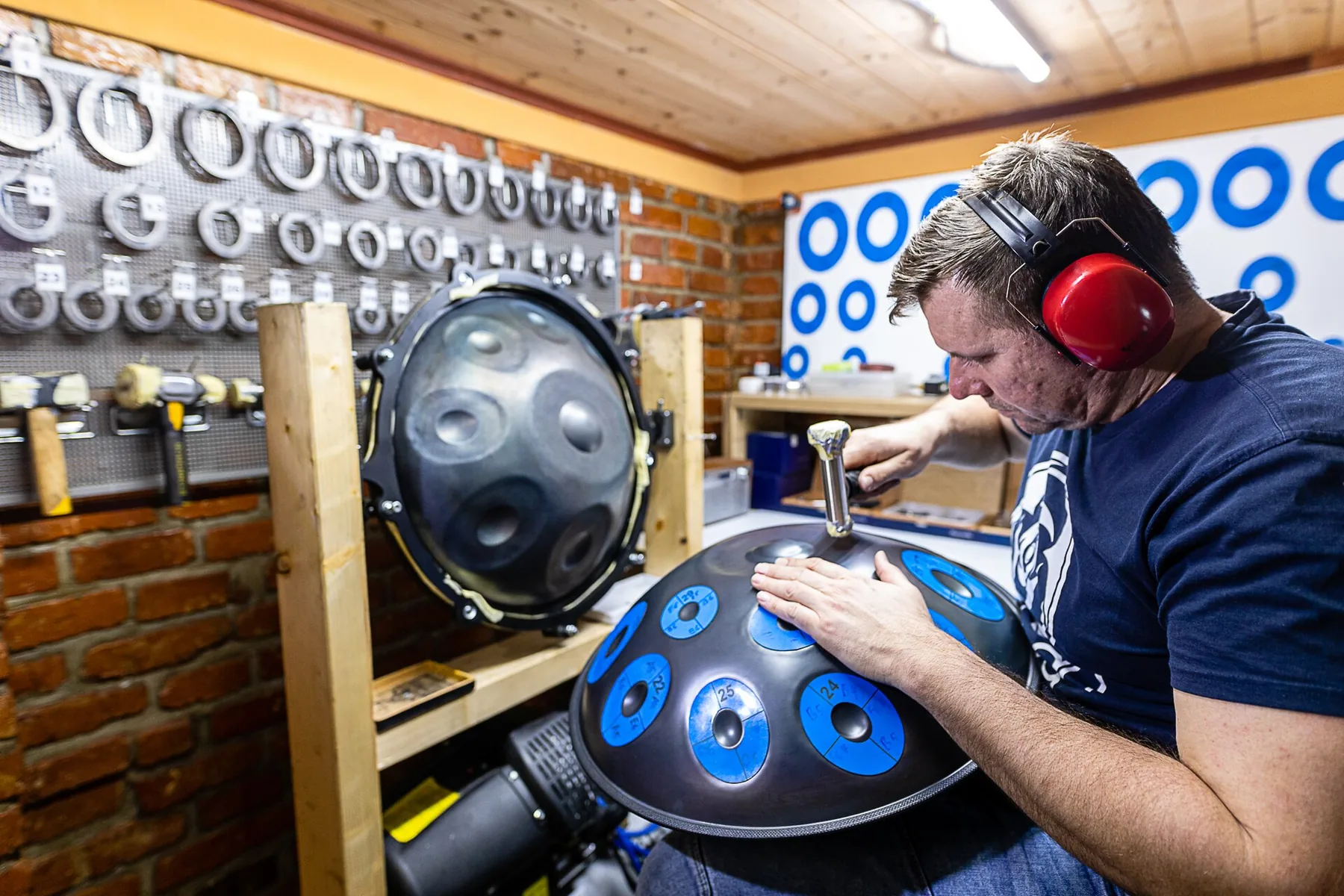

This guide aims to make your purchase safer and help you look for an affordable handpan with confidence.
Created in 2001 by PANArt, this instrument consists of two steel shells, a central note called the “ding,” and surrounding note fields.
“Fixed tuning” means that poor craftsmanship has lasting consequences: pitch accuracy, sustain, and stability all suffer.
The goal is clear: find good value without getting scammed. We explain how to understand prices, spot pitfalls, and apply simple criteria.
The guide follows a practical order: compare prices, check the scale, material, and number of notes, then decide where to buy and how to pay.
Take a long-term view. Wait or choose a reliable used instrument instead of giving in to an offer that might put you off playing.
By the end, you will have checklists with 2025 figures and practical advice to help you decide quickly, even without expert knowledge.
What “affordable handpan” means in France today
To discuss affordable instruments in 2025, first distinguish three categories: handcrafted instruments, mass production, and workshop promotions.
Handcrafting, mass production, and workshop promotions
An artisan maker spends hours crafting and tuning an instrument, note by note. The price reflects that time and expertise.
Mass production lowers costs through pressing and tooling. The appearance may be similar, but overall quality differs.
Workshop promotions can offer good value when properly supported: check the follow-up service and after-sales support.
Why prices rise
You pay for the raw material (steel), shell shaping, quality control, and, above all, careful tuning.
Good tuning takes time and precise adjustments, note by note. Without them, stability and sustain suffer.
Acceptable and risky compromises
Acceptable: simpler finishes, limited customization, and a beginner model in a common scale.
Risky: unstable tuning, intrusive crosstalk, weak sustain, or no after-sales support. These flaws undermine enjoyment over time.
- Buying directly from a workshop = a relationship and follow-up support.
- A reputable dealer = a curated selection and a warranty.
- An unclear listing = high risk.
To learn how to spot inconsistent offers, see this practical guide: find good value for money.
2025 budgets and realistic expectations before buying a handpan
In 2025, knowing typical prices in France helps you compare offers and set a suitable budget.

Price ranges by category
| Category | 2025 range | What it actually gets you | Additional costs |
|---|---|---|---|
| Beginner | €800–1,500 | Playable entry-level instrument, simple finishes | Bag and delivery: about €100–200 |
| 7 to 9 notes, new | €1,100–2,000 | Stable standard model for regular playing | Protection and insurance: about €150 |
| >9 notes | €1,500–3,500 | More tonal colors, finer adjustments | Maintenance and possible retuning |
| Custom-made | ≥€3,500 | Custom construction, extensive quality control | Special shipping and follow-up support |
Warning thresholds and total cost
Warning threshold: treat any listing under €500 without a video or brand name cautiously. Large discounts without an explanation are suspicious.
Before buying, allow an extra 10–15% for a bag, insured delivery, corrosion prevention, and possible retuning.
Compare 3 to 5 similar offers and check reviews to judge the true value for money. For more information, see this buying guide.
Affordable handpans: pitfalls to avoid and reliable alternatives
Before accepting an offer that looks too attractive, learn to recognize warning signs in a listing.
- Photos stolen or copied from other listings.
- New accounts with no history or reviews.
- Identical descriptions reused across several platforms.
- Broken external links (YouTube) or redirects away from the platform.
Warning signs in a listing:
- No details about the scale, material, tuning, or number of notes.
- Vague answers from the seller or refusal to provide a recent video.
- An unusually low price without proof that the seller owns the instrument.
Risky payments: avoid Western Union and untraceable transfers. These methods leave you with little recourse if you are defrauded.
Speculative resale: some people buy instruments to resell them quickly at a profit. A “great deal” may conceal poor tuning or an inflated price. Beware of pressure to pay immediately.
A sensible step: ask for a second opinion in Facebook groups or specialist forums before completing the purchase. For more practical advice, see this reliable guide to buying used: used handpan guide.
Assessing handpan quality without being an expert
A quick sound-quality test requires neither perfect pitch nor professional equipment.
Note balance: clarity from pianissimo to forte
Try this simple method: strike each note gently, then repeat with varying force (from pianissimo to forte).
Good balance means that no note overpowers the others and the tone remains consistent at every volume.
Crosstalk: detecting interference between notes
Crosstalk occurs when one note causes others to resonate. To test it, let one note ring and play a neighboring note. If other fields vibrate, the crosstalk may be distracting.
A beginner can tolerate slight crosstalk; when it blurs the melody, it becomes a real problem.
Sustain and practical benchmarks
Look for sustain of around 8 to 12 seconds. Too little can be frustrating; too much can cause sounds to run together.
Signs of a problematic instrument
Watch for unstable notes, double tones, or harsh harmonics. Poor tuning stability may become apparent during a trial.
“Make a note of what you hear: weak notes, fields whose sounds blend together, and a ding that distorts.”
To learn more, follow this guide before buying, and compare several instruments to refine your judgment.
Choosing a musical scale and avoiding surprises on delivery
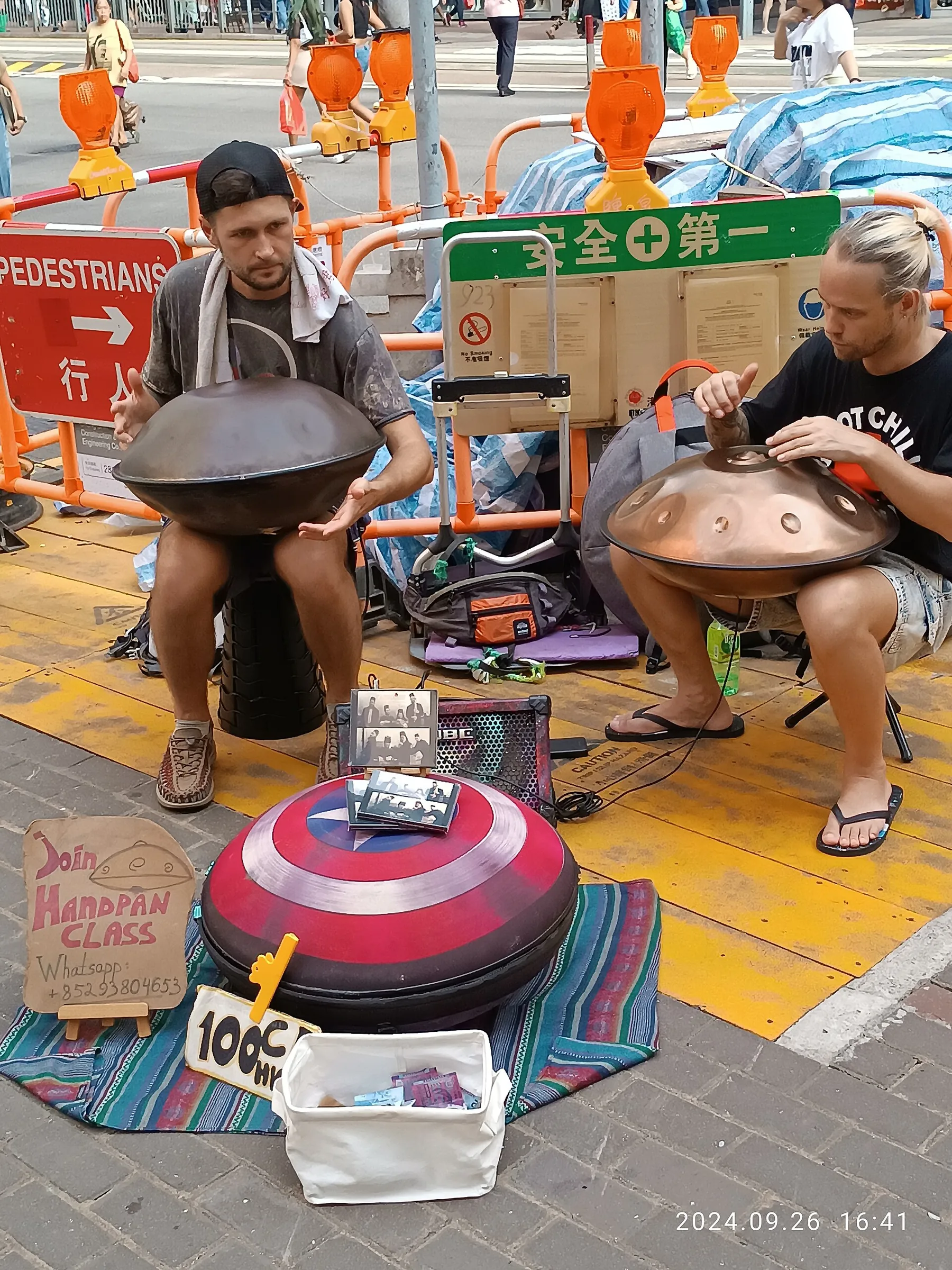
The scale determines the instrument’s mood and shapes how you play from the first listen.
Moods and uses
Major = bright: ideal for relaxation and playing with others.
Minor = introspective: well suited to composition and meditation.
“Eastern” = ethereal: suitable for exotic moods and expressive solos.
Popular scales and practical consequences
The D minor (D Kurd) scale is very common. It makes offers easier to compare and often reduces the wait and purchase price.
How to avoid unpleasant surprises
- Request a video of the exact instrument: every note should be played, first slowly and then in patterns.
- Listen to several reliable demonstrations, ideally through headphones, and note the differences.
- Keep the reviews and recordings so you can make an informed decision.
| Criterion | What to do | Why |
|---|---|---|
| Scale | Confirm the note list | Fixed notes = an irreversible choice |
| Demonstration | Video of the exact instrument | Lets you check consistency and sustain |
| Comparisons | Compare the same scale from 3 sellers | Gives you quality and price benchmarks |
“Insist on hearing the exact instrument before making any payment.”
432 Hz or 440 Hz: making the right choice without paying for marketing
Before paying extra for a tuning frequency, understand what choosing 432 Hz instead of 440 Hz actually changes. It does not guarantee better quality; it is an overall pitch reference that affects how you use the instrument.
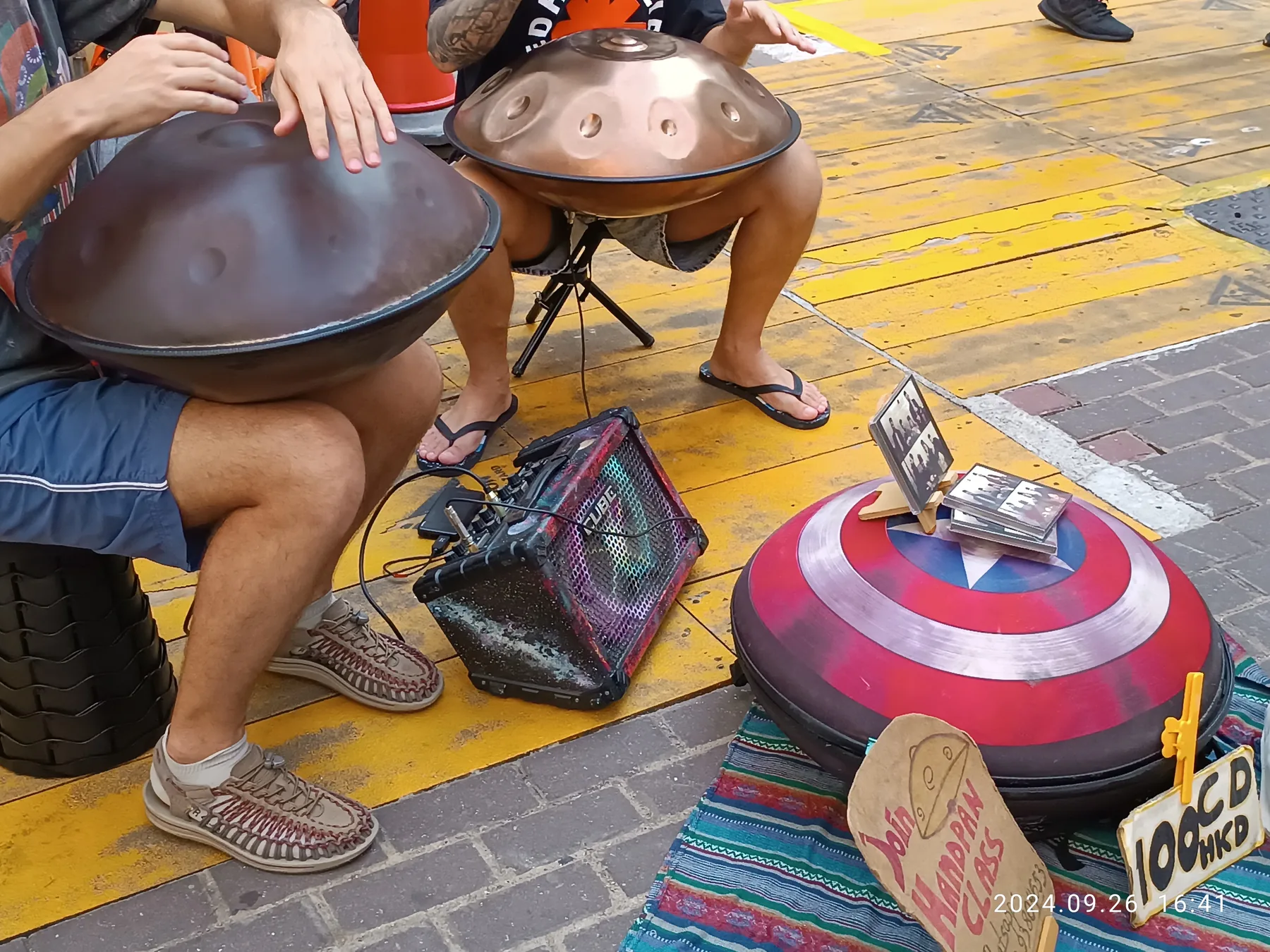
432 Hz for relaxation: what it really changes
432 Hz is often perceived as gentler when listening alone. Many people enjoy it for wellness activities and solo sessions.
Keep it in perspective: this effect is subjective. Do not pay for a magical promise.
440 Hz, the standard reference: playing with others, recording, and taking lessons
440 Hz remains the reference for playing with other musicians, taking lessons, or recording. Compatibility matters most if you want to play in a group.
A simple choice: compare the same scale at both frequencies
A simple buying rule: listen to the same scale at 432 Hz and 440 Hz through reliable demonstrations, using headphones. Check the tuning, consistency of the notes, and sustain.
Confidence comes from evidence (a recent video and stable tuning), not marketing. For practical advice, see our guide. If you want to play with others, choose 440 Hz; for solo relaxation, 432 Hz may suit you if quality is equal.
Materials and finishes: nitrided or stainless steel for a lasting purchase
The metal’s finish and treatment often determine your instrument’s long-term stability.

Nitrided steel
Advantage: the nitrogen-treated layer provides protection that helps stabilize tuning.
The tone is often warmer and deeper, with rounder harmonics.
Stainless steel
Advantage: excellent corrosion resistance and easier maintenance.
Its sound can seem brighter. This metal suits you if you often transport the instrument or play in humid conditions.
When poorly treated metal becomes expensive
Poorly protected metal eventually rusts. Corrosion can cause the instrument to lose pitch accuracy.
That often means more frequent retuning and costs that can exceed the original price.
“An instrument that stays in tune will cost less over time than a neglected one.”
| Criterion | Nitrided steel | Stainless steel |
|---|---|---|
| Protection | Durable nitrogen-treated layer | Natural corrosion resistance |
| Tone | Warm and deep | Bright and clear |
| Maintenance | Simple; avoid impacts | Very simple; little upkeep |
| Risks | May rust if the metal is poorly treated | Less prone to rust, but not immune |
| Repairs | Less frequent retuning | Occasional retuning depending on use |
Questions to ask makers: What exact treatment did you apply? What care do you recommend? Are a bag and protective accessories included?
These tips help you prioritize lasting quality over an attractive short-term price.
Number of notes: getting the best value for money
Each additional note makes construction and tuning take more time and skill. This often increases the price and calls for stricter quality control.
Check how notes are counted: some listings say “8 + ding,” while others say “9 notes.” Ask for the exact note list and a video in which each note is played separately.
Why start with nine notes?
A nine-note instrument is a simple, versatile format for a beginner. It balances melodic possibilities with cost.
What changes with ten or more notes?
More notes add tonal colors but require more demanding tuning. On a tight budget, quality may suffer.
- Common pitfall: ambiguous note counts; ask for the note list.
- Evidence to request: a video of the instrument demonstrating every note.
- Price benchmark: €100–200 more per note beyond nine, often more for low notes.
“A stable, well-tuned instrument with fewer notes is better than a larger one that sounds poor.”
Practical decision: prioritize pitch accuracy and sustain over the number of notes. Follow this guide and compare several models before agreeing to the price.
Where to buy an affordable handpan with less risk in France
Choosing the right buying channel greatly reduces the risk of a surprise on delivery. Here is an overview of the options in France.
Makers and workshops
Advantages: an in-person trial, personalized support, after-sales service, and the possibility of retuning.
Direct contact makes it easier to trace the instrument and obtain proof of purchase.
Specialist shops
They let you compare several models in one place. Payments are structured, and returns are often possible.
Customer reviews help you assess how reliable the sellers are.
Marketplaces and classified ads
eBay and classified ads require caution: check the seller’s history and photos, then request a recent video.
Reject any untraceable payment method.
Facebook groups and communities
Facebook groups offer first-hand experiences, clues about seller reliability, and used sales that are often better monitored.
A public history and recommendations build confidence.
Used instruments: the best sound for a tight budget
A well-maintained used instrument can deliver better sound for the money. Check its condition and tuning, and ask for proof of purchase if possible.
| Buying channel | Strengths | Risks | Practical advice |
|---|---|---|---|
| Maker or workshop | Trial, after-sales support, retuning | Waiting times, sometimes higher prices | Make an appointment; request an invoice and warranty |
| Specialist shop | Comparison, secure payments, returns | Stock may limit the selection | Compare models and read reviews |
| Marketplaces (eBay, listings) | Wide selection, sometimes low prices | Fraud, stolen photos, risky payments | Insist on a video and a traceable payment |
| Community groups | First-hand advice, used sales within the community | Reliability varies by group | Check the profile and ask for recommendations |
“A carefully chosen used instrument is often the best way to stay within a tight budget.”
Buying safely: a checklist before you pay
Before committing to a purchase, a few simple checks greatly reduce the risk of fraud.
- Recent video: insist on a video showing every note, a wide shot, and a dated item (such as a newspaper or a screen showing today’s date) proving the seller has the instrument.
- Authenticity: ask for the invoice, serial number, year of manufacture, maker’s name, and, for a used instrument, its ownership history.
- Check the photos: use a reverse image search to detect copied listings or impersonation.
- In-person trial: inspect the instrument for rust and dents, and check its tuning with a tuner app.
- Payment & shipping: choose protected payment, insured shipping, and suitable packaging. Keep all messages and screenshots.
A quick tip: if a seller refuses to provide this evidence, walk away. Transparency builds confidence and protects your budget in the long run.
“A secure transaction protects both your money and your motivation to play.”
Reliable alternatives when your budget is tight
If your budget is limited, practical options can give you good sound without sacrificing long-term quality.
A better-tuned used instrument or a new entry-level model
A well-maintained used instrument often sounds better than a cheap new model. In the long run, its tuning and resale prospects may also be better.
Contact a reputable seller or workshop, and request a recent video and maintenance records. This reduces risk and often justifies paying more initially.
Tongue drum: an accessible starting point
A tongue drum remains a worthwhile alternative. It is affordable, easy to play, and stable in tuning.
Its limitations are less projection, a narrower dynamic range, and a simpler harmonic palette than a handpan. It suits beginners and casual playing.
- Choose fewer notes: prefer a stable nine-note instrument to a larger, poorly tuned model.
- Choose a common scale: this makes searching easier and improves the price-to-quality ratio.
- Wait and watch for offers: compare listings regularly, ask for videos, and refuse pressure to pay quickly.
How to search: monitor listings, compare them carefully, and always ask to hear the instrument before buying. A tight budget does not mean giving up playing; it calls for a more careful approach.
Read this guide for a closer look at the checks to make when buying used.
Conclusion
To sum up, here are the key points for choosing a lasting, inspiring instrument with confidence.
Keep the 2025 price benchmarks in mind, be alert to suspicious listings, and insist on a recent video or a trial. Prioritize quality: pitch accuracy, sustain, and stability matter more than an extra note or a big discount.
A simple process before any purchase: compare 3 to 5 offers, read credible reviews, ask for evidence, and choose protected payment. If money is tight, a carefully checked used instrument remains an excellent option; for maximum reassurance, choose a workshop or shop. For a lower-cost alternative, consider a tongue drum.
For price benchmarks and a practical checklist, see this guide and buy with confidence in France.