
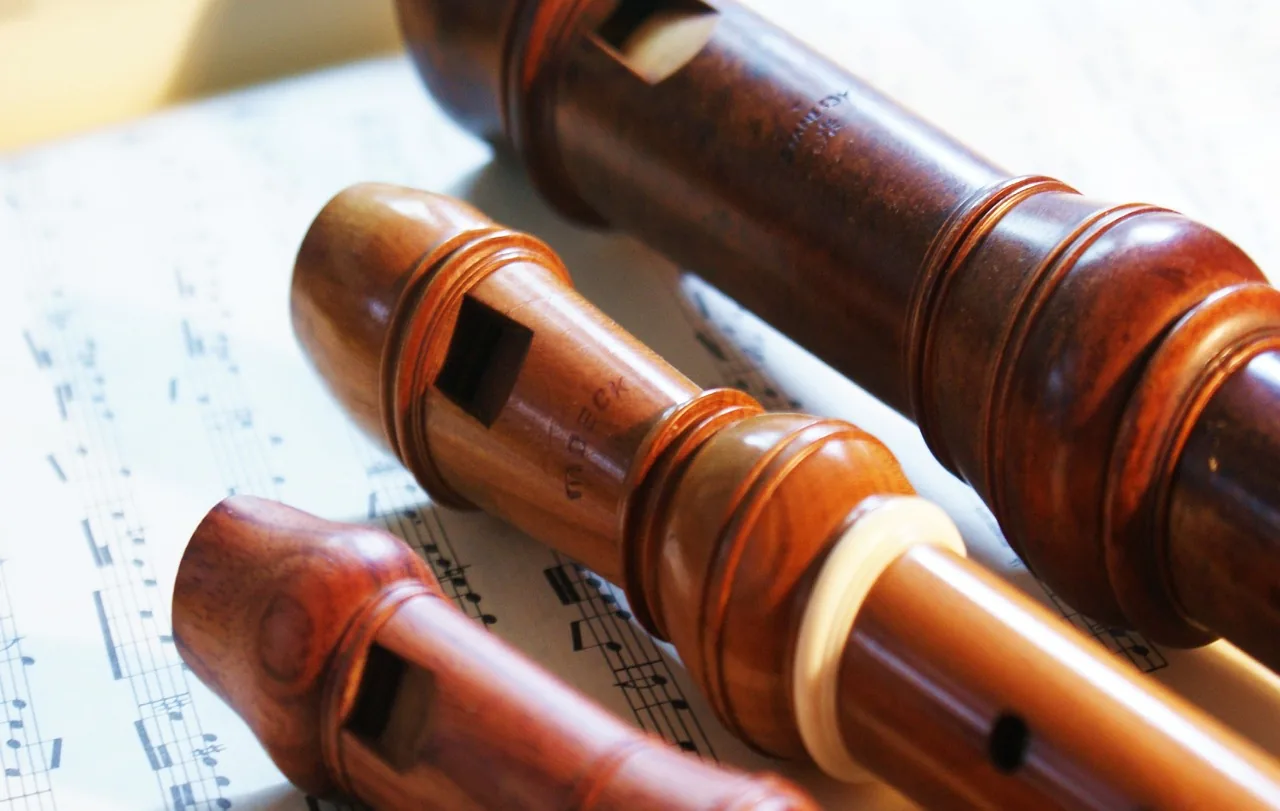

The Baroque recorder is a woodwind instrument characterized by its construction in several sections and its conical bore. It has a sweeter, more precise sound than its Renaissance predecessors. Used mainly as a solo instrument in the 17th and 18th centuries, it appeared in works by renowned composers such as Bach and Vivaldi, before declining in favor of the transverse flute in the 19th century.
Today, the recorder is enjoying renewed interest in both classical and contemporary music. Learn more about the history and characteristics of this iconic instrument. The Baroque recorder’s range can extend to two and a half octaves, and its construction in wood or plastic makes it a versatile instrument for musicians.
Introduction and historical background
The recorder’s development spans several centuries and has been marked by significant changes. From medieval times to Baroque innovations, the instrument passed through key periods that shaped its form and use.
How the instrument evolved over time
Since the Middle Ages, the recorder has evolved gradually. Over the centuries, makers adapted its design, adding holes and changing its bore. These changes allowed greater expressiveness and better technical control.
From the Middle Ages to the rise of the Baroque
The Baroque period marked a major turning point. Technical innovations, such as the conical bore, produced a richer sound. Composers such as Bach and Vivaldi included the instrument in their works, showcasing its capabilities.
Historical circumstances influenced the recorder’s construction, fingering and use. These developments helped give it a central role in Baroque music as a prominent solo instrument.
Baroque recorder: characteristics and distinctive features
The Baroque recorder stands out for its elegant, functional design. Made in two or three sections, it has carefully shaped curves and decorative details, making it both visually appealing and acoustically effective.
Hole layout and fingering
The holes, smaller than those on Renaissance recorders, are arranged to accommodate complex fingering. Some holes near the foot are doubled, allowing greater technical control. This layout contributes to a richer, more precise sound.
| Feature | Baroque recorder | Renaissance recorder |
|---|---|---|
| Number of sections | 2 or 3 | 1 |
| Hole size | Smaller | Larger |
| Double holes | Present | Absent |
The Baroque recorder’s curves and ornamentation enhance its appearance and expand its range and potential for virtuoso playing. Its hole layout facilitates fingering and the performance of complex solo pieces.
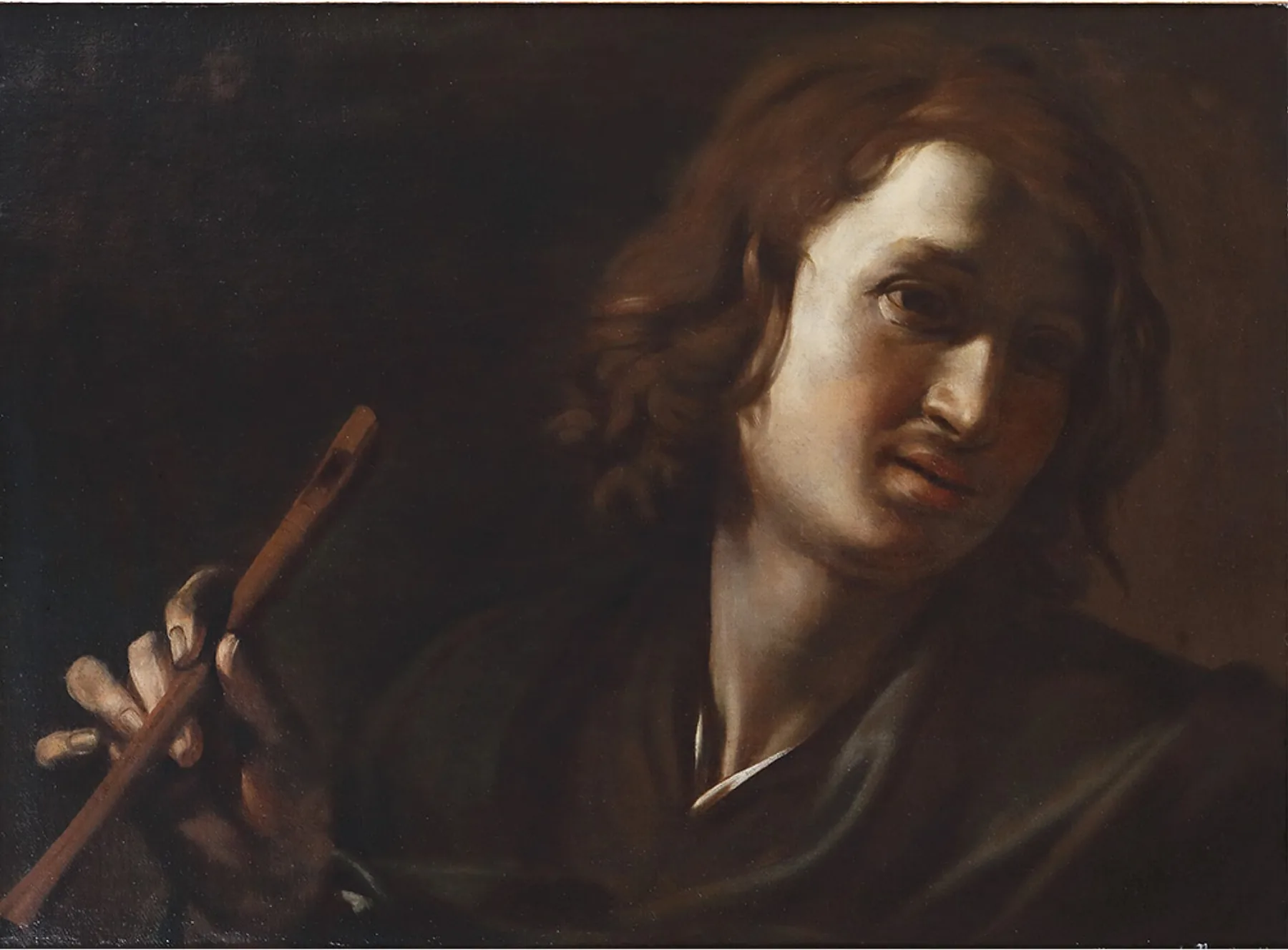
Learn more about the Baroque recorder’s technical characteristics and history.
Comparison with the Renaissance recorder
The Baroque recorder differs markedly from its Renaissance predecessor in both design and musical use. A comparison highlights the main differences between the two periods.
Shapes, sections and construction
Unlike the Renaissance recorder, with its simple, straight form, the Baroque version has elegant curves and decorative details. Renaissance makers favored construction from a single piece, while the Baroque period introduced instruments made in two or three sections, offering greater versatility.
The smaller holes on the Baroque recorder accommodate more complex fingering. This layout allows better technical control and a richer sound.
Sound and ensemble playing
The Renaissance recorder is known for its strong, even sound, suited to ensembles of the period. The Baroque version, by contrast, stands out for its brightness and agility, making it ideal for virtuoso solos.
The Baroque recorder’s role in ensembles changed: it moved from collective playing toward a more prominent solo role. This shift influenced how composers such as Bach and Vivaldi used it in their works.
Learn more about the musical characteristics of these two periods. A complete guide is available for beginners.
Organology and construction materials
Organology, the study of musical instruments’ technical and historical characteristics, is central to understanding the Baroque recorder. Makers mainly use fruitwoods, such as pear and cherry, as well as ebony and rosewood, to produce a warm, precise sound.
How wood and other materials affect the sound
The choice of material directly affects sound quality. Rosewood, for example, offers a rich range and a precise attack, qualities suited to virtuoso pieces. Combined with careful craftsmanship, these materials allow better technical control and a more expressive sound.
Innovations in construction and the internal bore
One major innovation was the construction of the instrument in two or three sections. This design made it easier to create a conical internal bore and offered a range of two and a half octaves. These technical advances improved fingering and enabled a more varied repertoire.
In short, the combination of fine materials and innovations in construction made this instrument a central member of its family, with a distinctive sound and great versatility.
Conclusion
With its elegant design and technical innovations, the Baroque recorder holds an important place in music history. Its development since the Middle Ages, marked by major changes, produced an instrument that is both attractive and functional.
Its holes, smaller than those of the Renaissance recorder, accommodate complex fingering and contribute to a richer sound. Comparing the two instruments reveals differences in appearance and function, as well as the importance of technical advances.
Versatile and expressive, the instrument continues to captivate musicians and music lovers. Its role in Baroque music, both as a solo and an ensemble instrument, remains distinctive. To explore the subject further, listen to works by Bach and Vivaldi or discover modern construction techniques.
FAQ
How does the Baroque recorder differ from other recorders?
How did the instrument evolve over time?
What are the distinctive features of the Baroque recorder’s design?
How does the Baroque recorder compare with the Renaissance recorder?
How do materials affect the instrument’s sound?
Source links
- https://americanrecorder.org/frequently_asked_questions.php
- https://www.metmuseum.org/essays/the-development-of-the-recorder
- https://www.orchestredecaen.fr/flute-a-bec-basse-son-riche-et-profond/
- https://www.classicfm.com/discover-music/periods-genres/baroque/
- https://www.vam.ac.uk/articles/performance-and-the-baroque
- https://www.eno.org/discover-opera/articles/the-history-of-opera-a-timeline-of-the-last-400-years/
- https://en.wikipedia.org/wiki/Recorder_(musical_instrument)
- https://www.swissinfo.ch/eng/archive-swiss-made/the-birth-of-a-recorder/45456138
- https://etheses.whiterose.ac.uk/id/eprint/26469/1/1.Troncoso%20201056716%20Thesis%20Vol%201.pdf
- https://www.metmuseum.org/essays/the-development-of-the-recorder
- https://www.horniman.ac.uk/object/M10-1983/
- https://journals.sagepub.com/doi/10.1177/20592043261484119
- https://www.orchestredecaen.fr/debuter-la-flute-a-bec-guide-pour-les-novices/
- https://collection.powerhouse.com.au/object/407859