
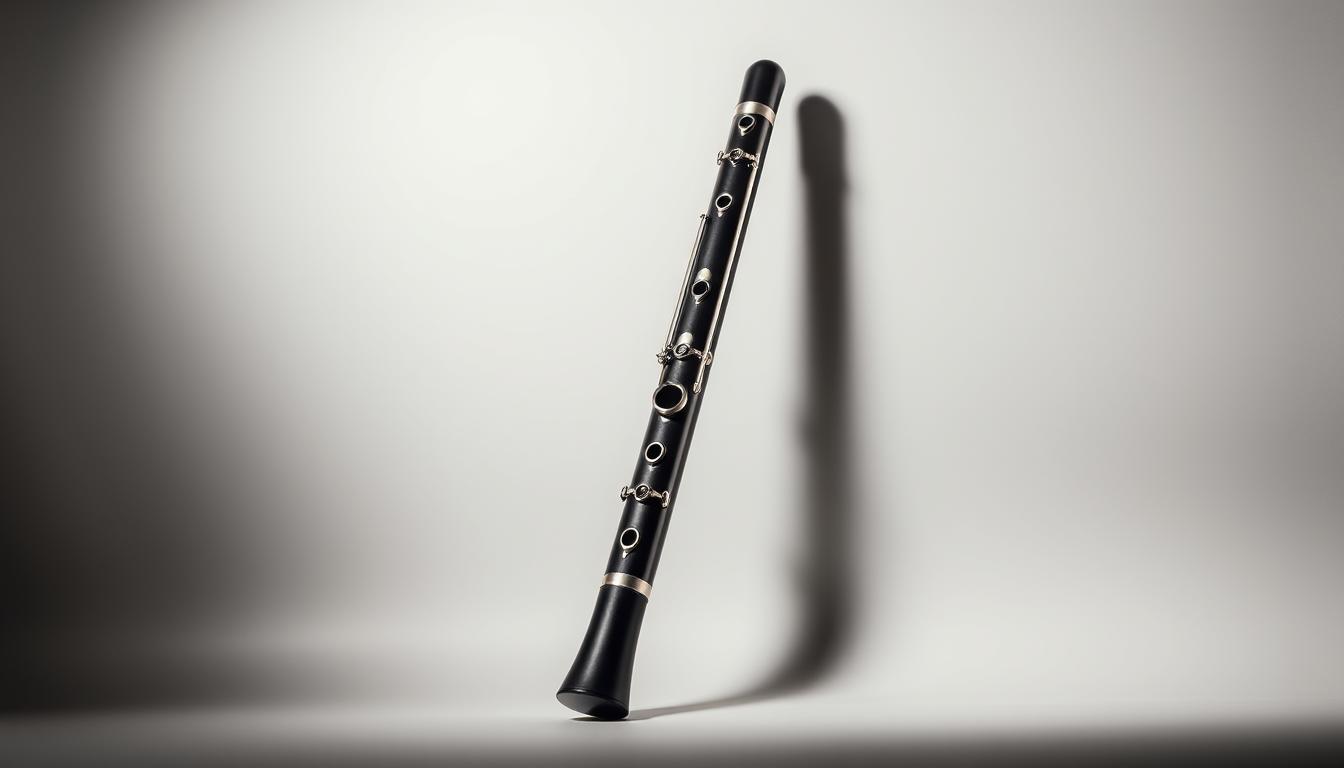

The recorder, often seen as a classical instrument, has unexpected potential. Imagine bringing tradition and modernity together by playing rock on this iconic instrument. Far removed from its Baroque origins, it can be surprising in today’s music.
Although the recorder is often associated with gentle, cheerful melodies, its distinctive sound can also suit more energetic pieces. Modern composers have already used it in soundtracks such as those for Harry Potter and Game of Thrones, demonstrating its versatility. The warm tone of a wooden recorder, for example, offers a richness that can rival that of more conventional rock instruments.
History shows that the recorder has featured in many famous pieces. Today, musicians are enthusiastically experimenting with rock and recorder to create new sounds. Far from being limited, this instrument opens up unexpected musical possibilities.
If you want to discover how to combine rock and recorder, resources are available online and in stores. It’s an opportunity to see this instrument in a new light and let your creativity flourish.
An introduction to rock and the recorder
Rock, an energetic and vibrant genre, meets the recorder, an instrument with classical roots. This unexpected combination opens up fascinating musical possibilities.
The recorder’s unique strengths
The recorder stands out for its rich, warm sound, which can complement the power of rock. Its light weight and versatility make it ideal for exploring new musical territory. Modern recorder players use these qualities to create original rock melodies.
Why combine tradition and modernity?
Bringing the recorder into rock connects musical heritage with innovation. This fusion adds a distinctive dimension and enriches rock repertoire with a classical touch. Contemporary flutists such as Jethro Tull’s Ian Anderson have already demonstrated the potential of this combination.
- The recorder adds a distinctive sound to rock.
- Effects such as delay and reverb can increase its impact.
- Accessible repertoire includes both classical and modern pieces.
Resources are available online and in stores to help you explore this combination. It’s an opportunity to rediscover the recorder and unleash your creativity.
Learn more about the recorder’s history and development on Wikipedia.
History and influences: from the Renaissance to rock
Although often associated with classical music, the recorder has a rich history and many influences that have shaped its development. From the Renaissance to the present day, it has adapted to musical and cultural change.
Classical origins and their legacy
The recorder emerged during the Renaissance, a period of renewed interest in art and music. Early recorders were made of wood and used in polyphonic music. This period laid the foundations for its use in classical music, with composers such as Josquin des Prez and Palestrina.
In the Baroque era, the recorder became a central instrument in works by Bach and Handel. Its warm, expressive tone made complex melodies possible and strengthened its place in art music.
The influence of blues, folk and early quills
Although rooted in the classical tradition, the recorder has also found a place in other genres. Enslaved African Americans used bone and wooden flutes to play blues and folk melodies, laying foundations for what would later become blues and jazz.
Quills, single-reed instruments, also influenced the recorder’s development. These instruments, popular in Africa and the southern United States, introduced playing techniques that enriched recorder practice.
| Period | Influence on the recorder | Representative composers | Development of techniques |
|---|---|---|---|
| Renaissance | Emergence of polyphony | Josquin des Prez, Palestrina | Development of fingering |
| Baroque | Use in virtuosic works | Bach, Handel | Improved breath control |
| Blues and folk | Introduction of syncopated rhythms | Anonymous musicians | Vibrato techniques |
| Contemporary era | Integration into rock | Experimental musicians | Use of audio effects |
The recorder has endured for centuries, adapting its techniques and repertoire to musical trends. This development shows that the instrument is far from limited to one genre.
Recorder technique fundamentals
Mastering the recorder begins with solid technical foundations. These essential skills help you produce clear, accurate notes, which are vital for playing music with style.
Basic techniques and posture
Good posture is essential when playing the recorder. Hold the instrument at a slight downward angle, with your feet firmly on the floor. Place your fingers gently but securely over the holes. Good posture helps prevent fatigue and promotes a clear sound.
- Hold the recorder at a downward angle.
- Place your fingers accurately over the holes.
- Breathe deeply to support the sound.
Developing fingering and breath control
Fingering and breath control are central to recorder technique. Practise regularly to improve your agility and control your breathing. These skills will help you play flowing, expressive melodies.
| Technique | Description | Tips |
|---|---|---|
| Posture | Correct body and hand position. | Practise in front of a mirror to adjust your posture. |
| Fingering | Finger placement and agility. | Practise with simple exercises. |
| Breath control | Control of breathing. | Breathe deeply before playing. |
Video tutorials and detailed sheet music on this site can help you develop these techniques.
Can you play rock on the recorder?
Although traditionally associated with classical music, the recorder can be adapted to rock through specific techniques. This bold combination produces a distinctive, rich sound.
Tips for an authentic rock sound
To turn a classical sound into a rock sound, explore techniques such as glissando and vibrato. These effects add an emotional intensity similar to that of electric guitars.
- Use glissando for smooth transitions.
- Experiment with vibrato for greater expressiveness.
- Adapt rock riffs for the recorder.
Natural effects and advanced techniques
Natural effects such as growl and distortion can be produced by changing your breath and finger positions. Combined with audio effects, these techniques enrich the sound.
| Technique | Description | Tips |
|---|---|---|
| Glissando | Smooth transitions between notes. | Practise over short intervals. |
| Growl | Adds a rough sound. | Change your mouth position on the mouthpiece. |
| Natural distortion | Creates a more aggressive sound. | Increase air pressure. |
Composers and musicians have already incorporated the recorder into songs and films, demonstrating its versatility. To improve, specialised lessons offer individual guidance.
Using the recorder in different musical genres
Far from being confined to classical music, the recorder lends itself beautifully to many styles. From blues and folk to pop, it shows exceptional versatility.
Examples in blues, folk and pop
In blues, artists have used the recorder to add a melancholy touch. Its warm tone fits naturally into folk. Pop songs have adopted it for cheerful melodies. Bands such as Jethro Tull have even incorporated the recorder into progressive rock, showing how adaptable it can be.
Stage performance and instrumental originality
On stage, the recorder captivates audiences with its originality. Musicians play it in innovative ways, using techniques such as glissando and vibrato. These performances highlight its distinctive character.
Sheet music and tutorials are available for exploring these styles. These resources encourage you to discover new musical themes. If you would like to learn more about these adaptations, specialised lessons are available.
Practical advice, sheet music and online resources
Whether you are a beginner or an advanced player, practical resources are essential for improving on the recorder. Its repertoire is vast, ranging from children’s songs to complex pieces and adaptations of popular music such as Hedwig’s theme from Harry Potter.
Tutorials and learning methods
Video tutorials and simplified learning methods are valuable tools. Specialist sites offer sheet music for every level, helping you master the basics and explore different styles. To overcome technical limitations, practise focused exercises, particularly to improve your fingering and breath control.
Finding sheet music and examples of popular songs
To get started, explore online resources offering free sheet music. Here are a few suggestions:
| Site | Description | Use |
|---|---|---|
| Musicnotes | Varied sheet music, including arrangements of popular songs. | Ideal for discovering familiar pieces adapted for recorder. |
| Flûte à Bec Passion | Video tutorials and free sheet music. | Perfect for beginners looking for structured lessons. |
| Sheet Music Plus | A wide selection of classical and modern sheet music. | Useful for anyone who wants to expand their repertoire. |
By following these tips and using these resources, you can progress quickly and explore new musical possibilities.
The recorder’s contemporary impact on modern music
Far from being confined to classical music, the recorder has become a versatile instrument in modern music. Recent innovations, such as the electric recorder and electronic effects, have transformed the way it is used.
Innovations and new instrumental techniques
Contemporary musicians are exploring new techniques to expand the recorder’s sonic possibilities. Effects pedals and electric recorders make it possible to create more complex, modern sounds. For example, artists use delay and reverb to increase the impact of their playing.
| Technique | Advance | Example |
|---|---|---|
| Electric recorder | Expanded sound | Used in rock concerts |
| Effects pedals | Added texture | Applying distortion |
| Mastery of scales | Exploration | Six octaves covered |
Groups such as the Eastern Recorder Orchestra and ARO show how these innovations enrich performances. Founded in 2014 and 2019 respectively, these ensembles use more than 50 recorders of all sizes, spanning six octaves. Their concert scheduled for July 2023 promises to demonstrate the richness of these new techniques.
Mastering scales is essential for exploring new musical possibilities. Contemporary recorder players, including those in ARO, use advanced techniques to create distinctive sounds. These innovations offer young musicians new opportunities and allow them to push the instrument’s boundaries.
Conclusion
Far from being limited to classical music, the recorder offers enormous creative potential. Thanks to its adaptability, it can bring tradition and modernity together and add a distinctive sound to genres such as rock and film music. This instrument is ideal for exploring a wide range of musical styles.
Learning the recorder is a rewarding journey, with each step revealing new possibilities. Online resources, such as this tutorial, help musicians master well-known melodies. These practical tools encourage experimentation and help players push the instrument’s boundaries.
In conclusion, the recorder is an inspiring choice for anyone who wants to combine innovation with musical heritage. Discover its many facets today and let your creativity flourish. Thank you for joining us on this musical exploration. Pick up your recorder and start your adventure!
FAQ
What are the recorder’s advantages for beginners?
How do I choose the right recorder for a child?
What are the best online resources for learning the recorder?
How do I maintain a recorder to preserve its sound?
Can I play popular songs on the recorder?
Source links
- https://en.wikipedia.org/wiki/Recorder_(musical_instrument)
- https://en.wikipedia.org/wiki/Recorder_(musical_instrument)
- https://en.wikipedia.org/wiki/Recorder_(musical_instrument)
- https://en.wikipedia.org/wiki/Recorder_(musical_instrument)
- https://en.wikipedia.org/wiki/Recorder_(musical_instrument)
- https://en.wikipedia.org/wiki/History_of_music
- https://en.wikipedia.org/wiki/Recorder_(musical_instrument)
- https://en.wikipedia.org/wiki/History_of_music
- https://en.wikipedia.org/wiki/Recorder_(musical_instrument)
- https://en.wikipedia.org/wiki/Recorder_(musical_instrument)
- https://en.wikipedia.org/wiki/Music_theory
- https://en.wikipedia.org/wiki/Rock_music
- https://en.wikipedia.org/wiki/Recorder_(musical_instrument)
- https://en.wikipedia.org/wiki/Music_education
- https://en.wikipedia.org/wiki/Musical_instrument
- https://en.wikipedia.org/wiki/Recorder_(musical_instrument)
- https://en.wikipedia.org/wiki/Music_education
- https://en.wikipedia.org/wiki/Music_education
- https://en.wikipedia.org/wiki/Music_education
- https://en.wikipedia.org/wiki/Recorder_(musical_instrument)
- https://en.wikipedia.org/wiki/Contemporary_classical_music
- https://en.wikipedia.org/wiki/Pascal_Dusapin
- https://www.orchestredecaen.fr/les-meilleures-partitions-pour-flute-a-bec/
- https://en.wikipedia.org/wiki/Recorder_(musical_instrument)