
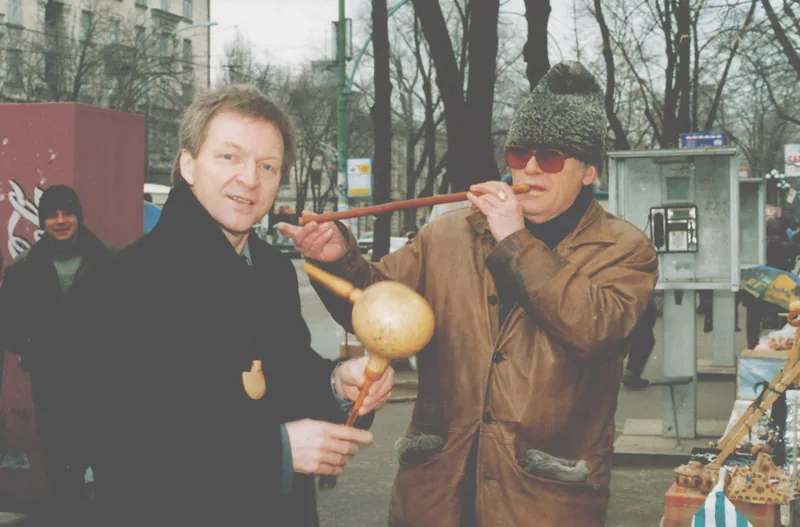

When you start learning the recorder, choosing the right instrument is essential. Whether you are a beginner or a parent looking for a recorder for your child, there are several factors to consider. In this section, we offer useful advice on choosing your first recorder.
First, decide how you will mainly use the instrument. Do you want to play the recorder on your own or in a group? This will influence which type of recorder you choose. Next, think about the style of music you want to play. The recorder is a versatile instrument suited to different genres, including traditional music, film scores and even video game music.
Budget is another important factor when buying your first recorder. Beginner recorders generally cost around a hundred euros. Depending on your budget, you should be able to find an instrument of suitable quality.
Finally, consider the recorder’s brand and model. Research different brands and models, and read reviews and recommendations before making your decision.
Following this advice will help you choose a recorder that suits your needs. Whether you are beginning your musical journey or giving a recorder to a child, take the time to make an informed choice. Find the right instrument and start your musical adventure with the recorder!
Different types of recorder
There are several types of recorder, each with its own characteristics and uses. The soprano recorder is the most common and is often taught in schools. It is generally pitched in C and is suitable for beginners. The alto recorder is slightly larger and produces a lower sound. Baroque and German recorders also differ in their fingerings and sound. It is important to choose the type of recorder that best suits your needs and skill level.
To learn more about the recorder’s development, you can read this Figaro article.
Read on to discover the basics of playing the recorder.
The basics of playing the recorder
To play the recorder comfortably and musically, you need to master a few basic techniques. First, breath control is crucial to producing a good sound. Low notes require warmer, gentler breath, while high notes require faster, stronger breath.
Alongside breath control, fingering technique is also very important. Make sure your fingers cover the holes properly to produce clear, accurate notes. Regular practice will improve your agility and fingering accuracy, allowing you to play more complex pieces.
In addition to breathing and fingering, reading music is an essential skill. Become familiar with the symbols and markings used in musical notation. If you are new to reading music, you can consult online resources, such as this practical guide to playing the recorder, to help you understand the basics.
To make progress on the recorder, take time to learn and refine these basic techniques. You can take lessons with an experienced music teacher who can give you personal advice. Practise regularly and explore different scores to develop your musicianship and artistic expression.
Discover more advice, techniques and tips for improving your recorder playing in the following sections.
Learning to play the recorder
There are several ways to learn the recorder. It is a good idea to begin with the basics of music theory so you can read notes. This skill is essential for making progress and playing increasingly complex pieces.
Many learning methods can help you master the recorder. Specialist books offer progressive exercises and pieces suited to your level. You can also find online resources with video lessons, tutorials and downloadable sheet music.
To progress quickly and receive personal advice, taking lessons with an experienced music teacher is strongly recommended. A teacher can guide your learning, suggest exercises suited to your needs and correct mistakes when necessary.
Online resources can also be a useful addition to your lessons. Many recorder learning sites offer interactive exercises, instructional videos and practical advice. You can join online forums and communities to exchange ideas with other enthusiasts and get further advice.
In short, to learn to play the recorder, it is helpful to combine several learning methods. Start with the basics of music theory, use specialist books and online resources, and take lessons with a music teacher. This varied approach will help you progress and enjoy learning.
| Learning methods | Benefits |
|---|---|
| Specialist books | Progressive exercises and suitable pieces |
| Online resources | Video lessons, tutorials and downloadable sheet music |
| Lessons with a teacher | Personal advice and correction of mistakes |
Source: Recorder lessons in Bauvin
Caring for your recorder
Regular care is essential to preserve your recorder’s sound quality and extend its life. Here are a few tips for looking after your instrument:
- Grease the joints: Greasing the recorder’s joints regularly helps prevent wear and air leaks. Use grease made for recorder joints and apply it carefully.
- Clean the recorder: Clean your recorder regularly with a cleaning rod or swab to remove dirt and saliva residue. Gently insert it into each section of the recorder, making sure you reach every part.
- Prevent wear: To prevent premature wear, avoid exposing your recorder to extreme temperatures and moisture. Store it in a suitable case when you are not using it.
If condensation builds up, cover the recorder’s window and blow firmly to clear it. A few simple care habits can preserve your recorder’s sound quality and extend its life. You can ask your music teacher or a wind instrument specialist for advice.
Table: comparison of recorder care methods
| Care method | Benefits | Drawbacks |
|---|---|---|
| Greasing the joints | Protects the joints from wear | Requires suitable grease |
| Cleaning with a swab | Removes dirt and residue | Must be done regularly |
| Preventing wear | Protects the recorder from damage | Requires ongoing attention |
Online resources for learning the recorder
The internet offers many resources for learning the recorder. Some sites provide free courses and interactive lessons to guide you. Whether you are a beginner or an experienced musician, these online resources can supplement your learning in a flexible, accessible way.
They include video lessons covering basic playing techniques, posture and breathing. Some sites also offer practical exercises to help you become familiar with fingerings, reading music and rhythm. You can find audio recordings of pieces arranged for recorder, allowing you to practise with an accompaniment.
Alongside online courses, there are discussion forums and recorder player communities on social media. You can ask questions, exchange tips and share your progress with other enthusiastic musicians.
Online resources for recorder sheet music
As well as online courses, you can find a wide variety of free and paid recorder sheet music. It is ideal for working on new pieces and improving your music reading.
Many sites offer sheet music for every level, from beginners to more advanced players. You can find traditional, classical, folk and pop music, as well as film scores. Some pieces are specially arranged for the recorder and highlight the instrument’s sound.
Choose sheet music that suits your level and musical tastes. It gives you a chance to play new pieces while developing your technique, musicianship and interpretation.
Exploring these online resources can help you make progress independently and stay motivated. Use digital tools to enrich your musical practice and grow as a recorder player.
Explore these online resources to enrich your recorder learning, improve your technique and discover new music. Use them to develop your enthusiasm and skill on the recorder.
Conclusion
In summary, choosing your first recorder can seem daunting, but this advice will help you find the instrument that best suits your needs. Learn the basics of playing, use online resources and care for your recorder regularly to get the best results.
Whether you play alone or in a group, the recorder is a versatile instrument that is enjoyable to learn. Its many musical possibilities make it an excellent choice for beginners and more advanced musicians alike.
Start this musical adventure and enjoy the rewarding experience of playing the recorder. With practice and enthusiasm, you can develop your skills and expand your repertoire.