

The recorder, an emblematic instrument of Baroque music, remains appealing today because it is accessible and has a rich sound. Although it is often considered simple, it presents technical challenges that can puzzle beginners. Learning to play the recorder takes more than curiosity: it calls for a structured method and suitable guidance.
Choosing the right recorder and learning method from the outset is crucial. Poor posture or an unsuitable technique can slow progress and make learning less enjoyable. The first lessons should therefore be guided by an experienced teacher who can correct recurring mistakes and suggest targeted exercises.
Structured learning helps you progress faster while keeping your enthusiasm for music alive. In this article, we explore the mistakes beginners make most often and offer practical ways to avoid them.
Introduction: getting off to a good start with the recorder
With its rich history and timeless charm, the recorder remains a fascinating instrument for musicians of every era. From the Baroque period to the present day, it has evolved while retaining its musical character.
Fingering plays a crucial role from the very beginning. Good technique helps you play accurately and express the full richness of the music. That is why it is essential to understand the basics from the outset.
An experienced teacher provides valuable help. They guide beginners as they learn the recorder, correct their mistakes and suggest suitable exercises. Group lessons also provide a stimulating, motivating setting.
Structured learning helps you progress quickly while keeping your enthusiasm alive. For more information about recorders suitable for beginners, see this resource. If you would like to try “Au clair de la lune”, find a practical tutorial on this site.
Common mistakes beginners make when playing the recorder
Despite its apparent simplicity, the recorder presents technical challenges that can discourage newcomers. Choosing an unsuitable model is a common mistake. Many beginners, influenced by price or perceived quality, choose instruments that do not suit their needs.
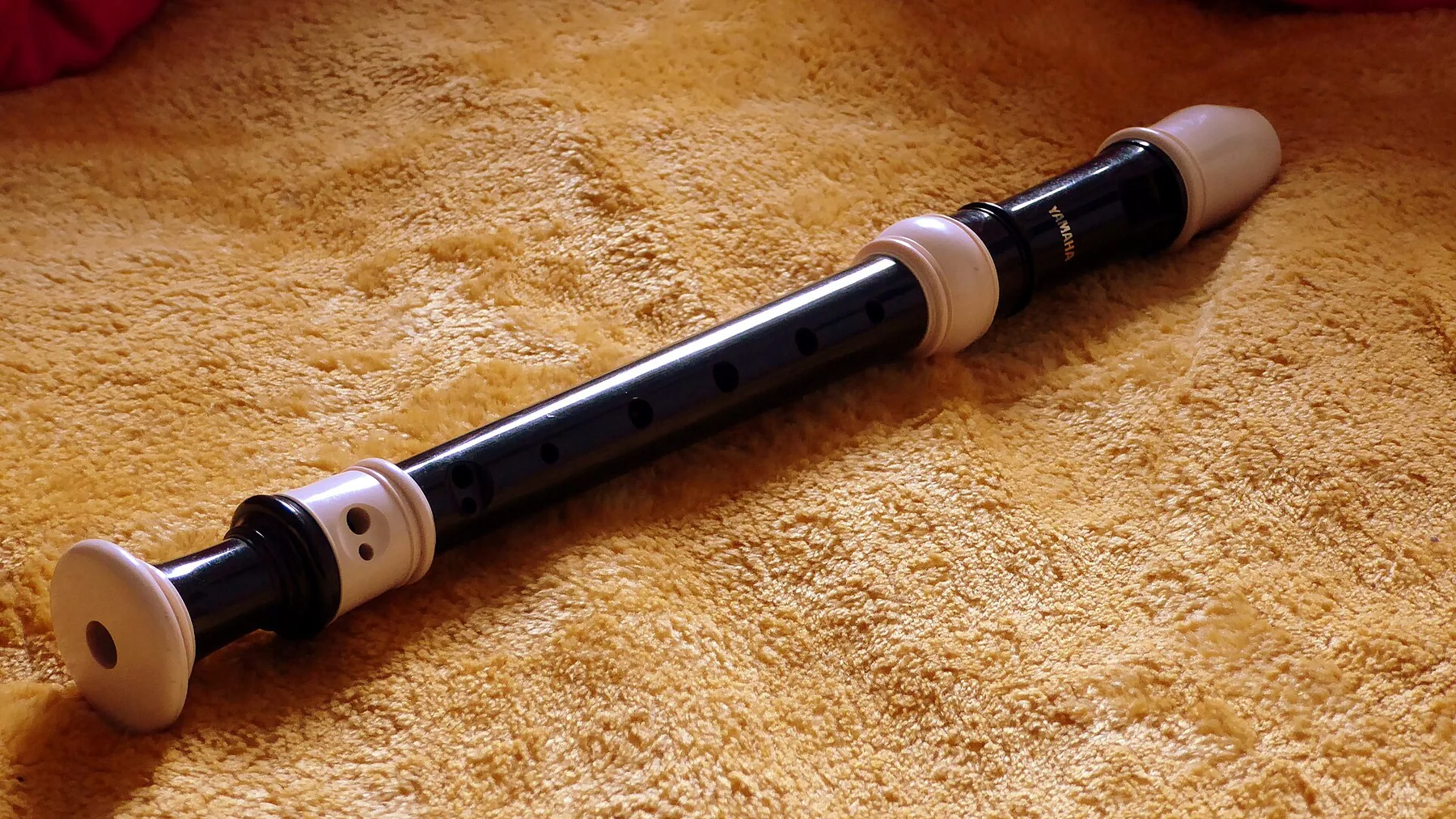
Another common mistake concerns reading notes and basic techniques. Poor posture or unsuitable breathing can affect sound quality, particularly on a soprano recorder. It is essential to compare the available models, taking features such as size and materials into account, to produce accurate notes.
In addition, learning the recorder requires regular assessment of your technique to prevent mistakes. Children and adult beginners alike can benefit from resources such as recorder lessons or practical guides, such as the one available on this site, to make steady progress.
Practical tips for correcting your mistakes
Correcting technical mistakes is essential to improving on the recorder. With suitable advice, you can avoid common pitfalls and improve your playing quickly.
Adopt good posture and control your breath
Good posture is the foundation of successful learning. Sit upright with relaxed shoulders and hold the recorder naturally. Proper mouthpiece placement and controlled breathing are also essential for a clear, accurate sound.
- Practise breathing exercises to strengthen your breath support.
- Make sure your fingers cover the holes correctly.
- Avoid gripping the instrument too tightly, as this can affect the sound quality.
Understand shortcuts and common pitfalls
Plastic models are often recommended for beginners because they are sturdy and affordable. However, it is important to compare their sound with that of wooden models, which offer greater tonal richness.
Choose a plastic model if you want a durable instrument that is easy to maintain. Wooden models are better suited to those seeking a richer sound. Remember to clean and maintain your instrument regularly to preserve its tone.
- Choose a model suited to your level and needs.
- Practise targeted exercises regularly to improve your technique.
- Consult educational resources for guidance tailored to you.
Choosing the right instrument and learning method
Choosing a recorder suited to your level and needs is crucial to learning effectively. Whether you are a child or an adult, the right instrument and method will help you progress steadily.
Comparing materials: plastic and wood
Plastic and wooden recorders have distinct advantages. Plastic models are robust and easy to maintain, making them well suited to beginners. Wooden recorders offer a richer sound but require more careful maintenance.
| Material | Advantages | Disadvantages |
|---|---|---|
| Plastic | Durable, easy to clean, affordable | Less rich sound |
| Wood | Rich, nuanced sound | More fragile; requires regular maintenance |
Choose a suitable teaching method
A structured method is essential for progress. Online lessons and practical guides offer tools for every level. Regular practice and a choice of accessible pieces help you stay motivated.
When choosing an instrument on a specialist website, draw on reviews from experienced players. A positive online purchasing experience and regular instrument care both help preserve its sound quality.
Playing in a group enriches learning and builds coordination and confidence. Proper care is essential to the recorder’s longevity and performance.
Mastering fingering and articulation
Fingering is fundamental to expressing the full richness of the music, particularly in Baroque repertoire. Good technique enables you to play accurately and convey the emotion and nuances sought by Baroque composers.
The importance of fingering in Baroque music
With its ornaments and rhythmic complexity, Baroque music demands dexterity and precise finger control. Baroque fingering, designed for this repertoire, offers greater flexibility and helps players perform works in the intended style. It differs in particular from German fingering, a more modern, standardized system that is better suited to classical and contemporary music.
Practical exercises to improve fluency
To improve the fluency and accuracy of your playing, practise targeted exercises regularly. Fingering exercises, such as those proposed in certain studies, can strengthen finger coordination and articulation.
- Practise scales and arpeggios, focusing on smooth transitions.
- Work on complex Baroque passages to improve your dexterity.
- Include breathing exercises to support your playing.
By devoting time to these exercises, you will gain confidence and expressiveness, two essential qualities for performing Baroque works in an authentic style.
Practising in a group and receiving professional guidance
Group practice and guidance from a qualified teacher are essential to making effective progress on the recorder. Playing in an orchestra or ensemble helps you develop your tone and understand musical harmony more fully.
The benefits of group lessons
Group lessons encourage interaction and cohesion among musicians. These workshops boost motivation and discipline while creating a friendly setting for learning.
- Practising in a group strengthens motivation and perseverance.
- Constructive feedback from other musicians helps you progress quickly.
- The friendly atmosphere of group practice makes learning more enjoyable.
What an experienced teacher can offer
An experienced teacher guides musicians by correcting technical mistakes and suggesting suitable exercises. Their expertise helps students master techniques such as Baroque fingering more quickly and improve their sound quality.
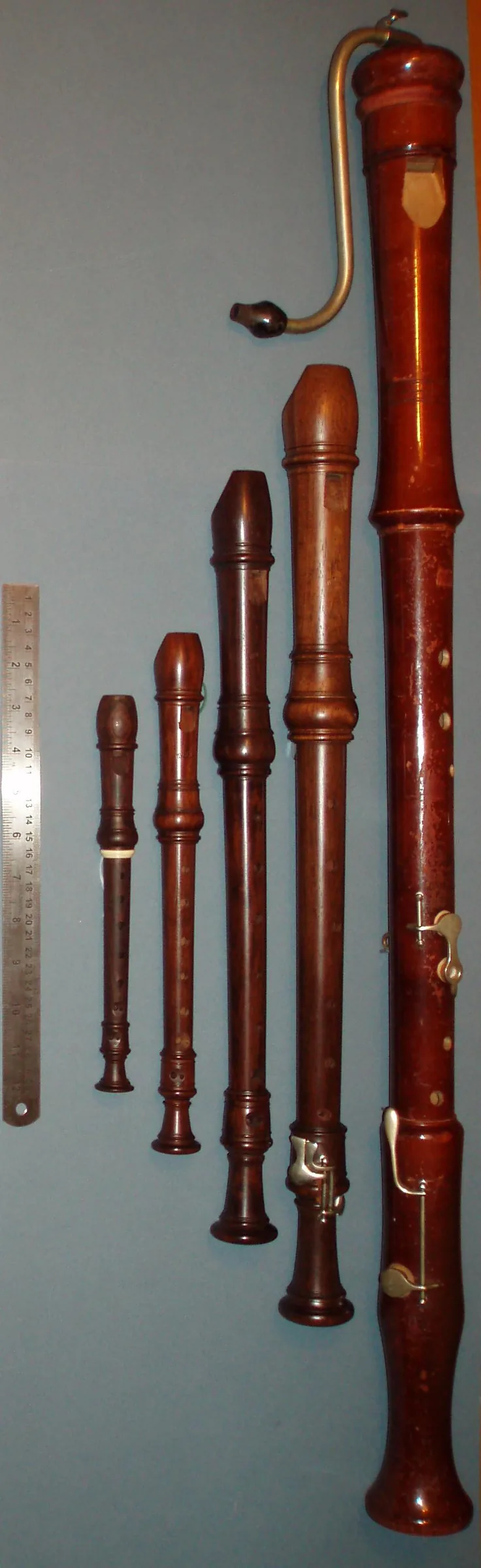
Choosing a recorder suited to group sessions is essential for coordinated playing. A suitable instrument helps maintain a consistent sound and lets you enjoy the shared musical experience to the fullest.
Conclusion
In conclusion, learning to play the recorder is a rewarding experience that calls for discipline and passion. Mistakes, though common, can become opportunities to improve. Choosing the right instrument, such as a soprano recorder, and receiving professional guidance are keys to progress.
Practise regularly and appreciate every improvement, however small. This instrument rewards perseverance and offers great artistic satisfaction. Consult additional resources to deepen your knowledge and refine your technique.
So why not begin with confidence? Music awaits, and this instrument is ready to reveal its secrets.
FAQ
How do I choose the right recorder for a beginner?
What mistakes are common when learning?
What are the benefits of playing in a group or orchestra?
How can I improve my recorder’s sound?
Which learning method is most effective?
Which exercises are recommended for beginners?
Can I learn to play without a teacher?
What is the difference between plastic and wooden recorders?
What repertoire is suitable for beginners?
How do I care for my recorder?
What is the average price of a quality recorder?
Source links
- https://americanrecorder.org/free_online_recorder_lessons_f.php
- https://americanrecorder.org/frequently_asked_questions.php
- https://www.yamaha.com/en/musical_instrument_guide/recorder/play/play002.html
- https://americanrecorder.org/free_online_recorder_lessons_f.php
- https://americanrecorder.org/frequently_asked_questions.php
- https://americanrecorder.org/how_to_play_the_recorder.php
- https://americanrecorder.org/frequently_asked_questions.php
- https://americanrecorder.org/how_to_play_the_recorder.php
- https://americanrecorder.org/how_to_play_the_recorder.php
- https://americanrecorder.org/how_to_play_the_recorder.php
- https://americanrecorder.org/frequently_asked_questions.php
- https://americanrecorder.org/learning_resources_for_recorde.php
- https://americanrecorder.org/how_to_play_the_recorder.php
- https://americanrecorder.org/docs/How_to_Play_the_Recorder_Videos_1_to__5.pdf
- https://americanrecorder.org/docs/Recorder_Power_Handout_revised.pdf
- https://americanrecorder.org/frequently_asked_questions.php