
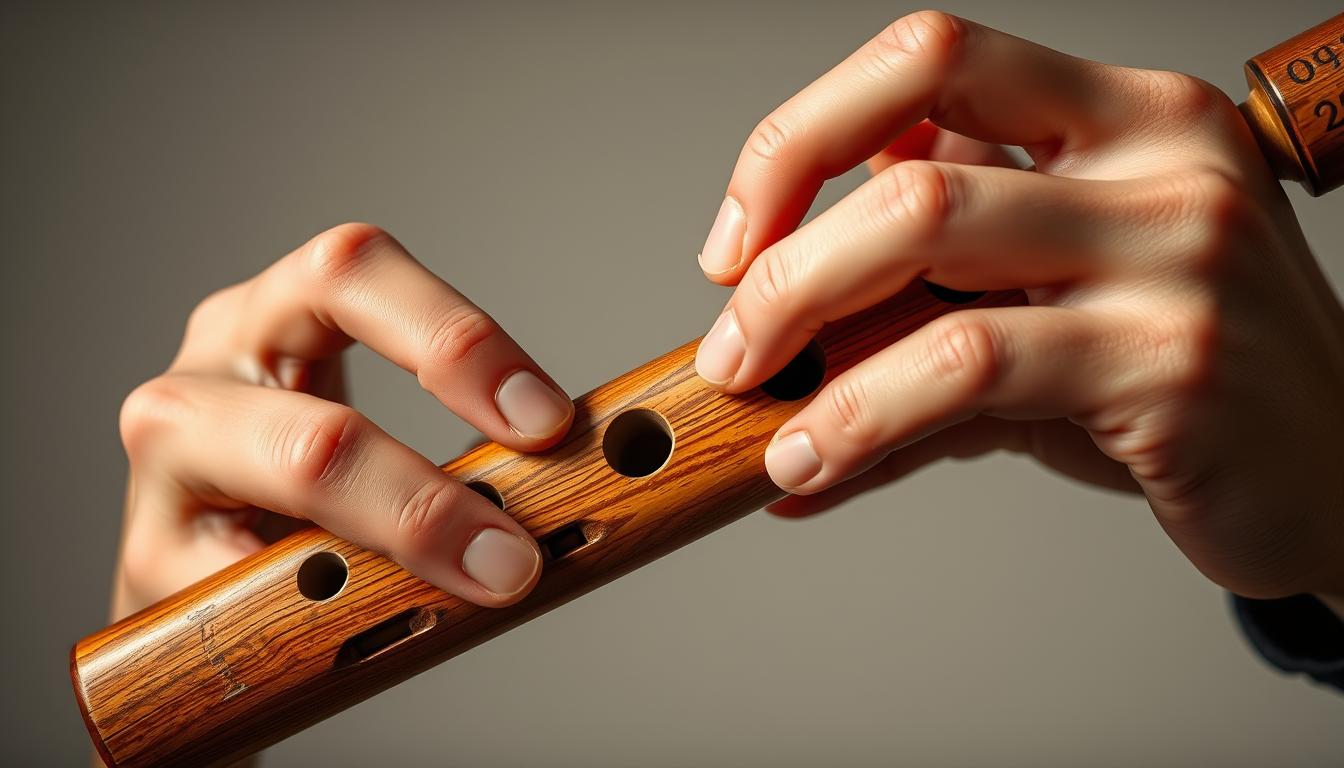

Vibrato is an essential technique for enriching the sound of the recorder. It adds emotion and depth to your playing, turning a flat sound into a lively melody. But how do you master this effect?
Sound quality depends largely on breathing and diaphragm control. Good breath control is the key to producing natural, expressive vibrato. By controlling your breath, you can vary the pitch and intensity of notes to create this distinctive effect.
In this article, we will explore the key steps in learning recorder vibrato. Discover practical exercises and tips for avoiding common mistakes. You will see how much regular practice can improve your technique.
Don’t wait! Start working on your vibrato today and bring a new dimension to your music.
Introduction to vibrato and the recorder
Vibrato is a musical technique that slightly varies the pitch of a note to add emotion and depth to a melody. On the recorder, it is particularly expressive and accessible, even to beginners.
What vibrato is and why it matters
Vibrato can bring a sound to life through subtle changes in pitch and intensity. It turns a uniform sound into a rich, moving melody. In music, vibrato plays a key role in artistic expression.
Why it interests beginners
The recorder is an ideal instrument for learning vibrato because it is relatively simple to play. Beginners can soon use the technique to bring their pieces to life and make them more engaging. Vibrato also helps develop breath control, improving overall command of the instrument.
- Vibrato adds warmth and life to music.
- It helps you develop better breath control.
- It is an accessible technique that you can practise from the start.
To learn more about practising vibrato and other techniques, see this dedicated tutorial.
The fundamentals of vibrato technique
Vibrato brings richness and emotion to music played on the recorder. To master it, you need to understand how to control your breath and diaphragm.
Using the diaphragm to control sound
The diaphragm plays a key role in producing a rich, steady sound. By gently engaging it, you can vary the airflow and create the changes in pitch and intensity associated with vibrato. Deep, controlled breathing helps you sustain a note steadily.
Rapid breathing can make the sound unstable, while breathing in time with the music gives you greater control over vibrato. It helps you combine breath control with a steady note.
The influence of breathing and rhythm
Breathing and rhythm are closely connected in vibrato technique. A metronome can help you coordinate your breathing with the melody’s tempo, making vibrato easier to play. Regular practice strengthens the coordination between your breath and finger movements.
- Vibrato adds emotion and depth to music.
- Controlled breathing is essential for maintaining a steady sound.
- Metronome exercises help you coordinate your breath with the rhythm.
By avoiding common mistakes, such as excessive muscle tension or poor use of the lips, you can develop more natural and expressive vibrato. Trying different rhythms and simple melodies will help you make the technique part of your playing.
Practical exercises for mastering vibrato
Vibrato is a musical technique that slightly varies the pitch of a note to add emotion and depth to a melody. On the recorder, it is particularly expressive and accessible, even to beginners.
Rhythm exercises with a metronome
Using a metronome is an excellent way to coordinate your breathing with the melody’s rhythm. Start by setting it to a moderate tempo of around 100 to 120 beats per minute (BPM).
- Hold a note for several bars, coordinating your breathing with the beats.
- Vary the note’s pitch slightly by controlling your breath while keeping time.
This exercise helps you control your breath and use vibrato in a musical setting.
Varying and coordinating airflow
Airflow is crucial to mastering vibrato. Learn to vary it subtly using your diaphragm.
- Breathe deeply, letting your abdomen expand, then exhale gently while controlling the airflow.
- Practise breathing exercises with simple pieces, focusing on coordinating your breath with the rhythm.
This technique will help you create natural, expressive variations.
Applying vibrato to simple melodies
Apply these exercises to familiar melodies to test and adjust your technique. For example, try playing “Au clair de la lune” with variations in vibrato.
- Choose a simple melody and play it first without vibrato.
- Gradually add vibrato to sustained notes, focusing on a smooth, natural sound.
This will help you use vibrato naturally and improve your musical expression.
Tips for effective practice
Persistence is essential to mastering vibrato. Practise regularly, even in short sessions, and record yourself to assess your progress.
- Repeat focused exercises to correct weaknesses and improve the coordination of your movements.
- Gradually incorporate these techniques into pieces in your repertoire to make them more expressive.
By following these steps, you can improve your technique and bring a new dimension to your music.
How do you play vibrato on the recorder?
Vibrato adds emotion and depth to music played on the recorder. To master it, you need to understand how to control your breath and diaphragm.
Other techniques: tongue and fingers
Alongside the conventional diaphragm technique, there are other ways to create vibrato. Using your tongue and fingers can enrich your playing.
- Your tongue can vary the airflow by repeating syllables such as “da” or “di”, creating a slight change in pitch.
- Your fingers can produce a trill-like effect, similar to vibrato, by rapidly covering and uncovering the instrument’s holes.
These techniques broaden your musical expression while strengthening your command of the instrument.
Tips for avoiding common mistakes
To achieve natural, expressive vibrato, it is important to avoid certain mistakes.
- Avoid straining your throat, which can make the sound rigid.
- Coordinate your exhalation with your finger movements to maintain a consistent rhythm.
Regular practice and recordings of your sessions will help you identify and correct these mistakes.
By combining these techniques with diaphragm control, you can explore new sounds and make your music more expressive.
Recorder care and practice tips
Caring for your recorder is essential to preserving its sound quality and extending its life. Whether you are a beginner or an experienced player, a few simple habits can greatly improve your playing experience.
Cleaning and protecting the instrument
After each use, pass a cleaning swab through the recorder to remove moisture and saliva residue. Use a soft brush for the outer surfaces. Avoid harsh chemicals, which can damage the material, especially on wooden recorders.
Protect your instrument from temperature changes and direct sunlight, which can warp the wood or affect its sound. Put it back in its case after each use.
Getting the best sound
Assembling the recorder correctly is crucial. Regularly check that its joints fit snugly to prevent air leaks, which can affect sound quality. Careful handling helps maintain a clear, balanced sound.
If you run into difficulties, consult online resources for expert advice.
How care affects your playing
A well-maintained recorder sounds better and lets you produce richer, more expressive vibrato. Regular practice combined with careful maintenance improves your command of the instrument and the quality of your playing.
Conclusion
Vibrato adds emotion and depth to music played on the recorder. To master it, you need to understand how to control your breath and diaphragm.
Practical exercises, particularly those using a metronome, help coordinate breathing with rhythm. Regular practice strengthens the coordination between breath, finger movements and timing that is essential for natural, expressive vibrato.
To learn more, consult this detailed guide to vibrato and tremolo techniques.
Mastering vibrato on the recorder is a gradual process that enriches your playing. With regular practice and careful attention to your instrument’s upkeep, you can explore new sounds and make your music more expressive.
FAQ
What is recorder vibrato?
How can I practise vibrato effectively?
What are common mistakes when learning vibrato?
What accessories do I need to improve my vibrato?
How long does it take to master vibrato?
Why is vibrato important in music?
Source links
- https://americanrecorder.org/how_to_play_the_recorder.php
- https://americanrecorder.org/how_to_play_the_recorder.php
- https://americanrecorder.org/how_to_play_the_recorder.php
- https://americanrecorder.org/how_to_play_the_recorder.php
- https://recorderhomepage.net/technique/tremolo-and-vibrato/vibrato/
- https://recorderhomepage.net/technique/tremolo-and-vibrato/vibrato/
- https://americanrecorder.org/how_to_play_the_recorder.php
- https://americanrecorder.org/how_to_play_the_recorder.php
- https://americanrecorder.org/how_to_play_the_recorder.php
- https://americanrecorder.org/how_to_play_the_recorder.php
- https://americanrecorder.org/how_to_play_the_recorder.php
- https://americanrecorder.org/how_to_play_the_recorder.php
- https://americanrecorder.org/how_to_play_the_recorder.php
- https://recorderhomepage.net/technique/tremolo-and-vibrato/vibrato/
- https://americanrecorder.org/how_to_play_the_recorder.php