
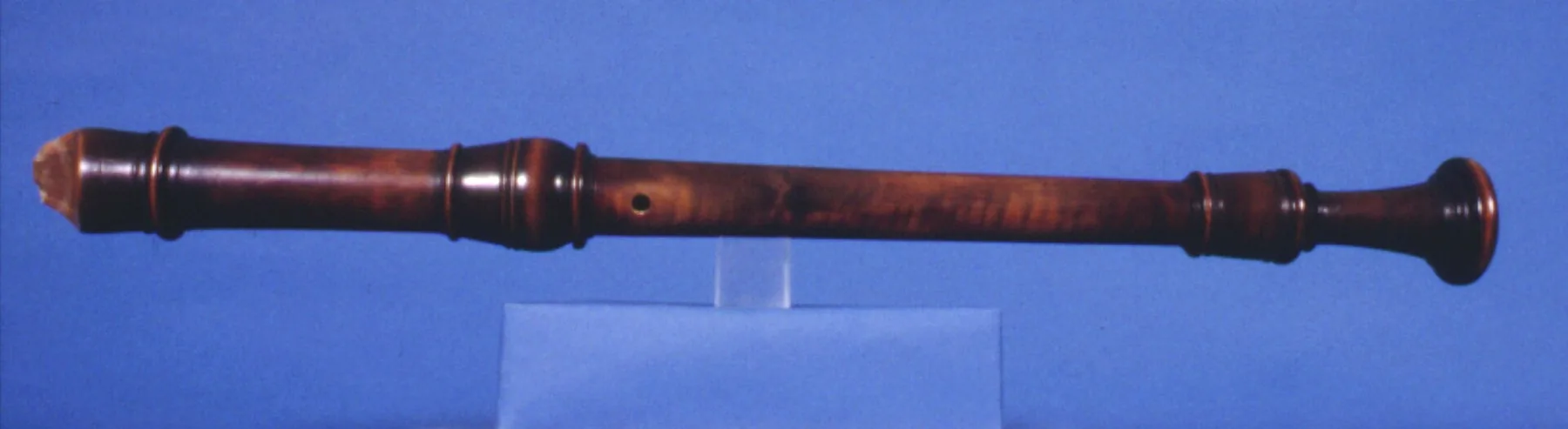

The recorder is a fascinating instrument, suitable for beginners and experienced musicians alike. Choosing the right learning method, however, can feel confusing. The quality of your learning depends directly on the method you choose, whether that means in-person lessons, online resources, or instructional books.
Your choice of method depends on several factors, including the instrument’s material (plastic or wood), fingering system (Baroque or German), and the style of music you want to play. For example, online resources offer considerable flexibility, while in-person lessons allow technical mistakes to be corrected immediately.
Structured learning has many benefits. It helps you progress effectively and steadily improve techniques such as breath control and fingering. Well-designed methods also include exercises and pieces suited to every level, from beginner to advanced player.
In this article, we’ll explain the key criteria for selecting a learning method. We’ll explore the available options, from traditional books and video tutorials to personalized lessons. Find out how to choose an approach that suits your needs and musical goals.
Introduction to Learning the Recorder
With its rich history and varied repertoire, the recorder appeals to beginners and accomplished musicians alike. Learning to play it offers a chance to combine technique with musical expression.
Background and Motivation
People often begin learning the recorder because they are curious about early music or want to return to an instrument they once played. Students of all ages find motivation in discovering this versatile instrument.
The growth of online resources has also made learning more accessible. Video tutorials and online lessons can now provide guidance suited to different skill levels.
The Benefits of Playing the Recorder
Playing the recorder stimulates the mind and opens the door to a rich, varied repertoire. Because the instrument is relatively easy to begin learning, you can make progress while exploring both classical and modern pieces.
Playing with others, such as in a recorder ensemble or quartet, also strengthens motivation and teamwork. Group playing improves individual technique and helps musicians play together more cohesively.
Choosing a Recorder: Criteria and Advice
Choosing a recorder that meets your needs helps you learn effectively and enjoy making music. Whether you are a beginner or an experienced musician, understanding the main criteria will make the choice easier.
Plastic or Wood: Advantages and Disadvantages
The main differences concern sound quality and durability. Wooden recorders can produce a richer, warmer sound, but they are more delicate and need regular care. Plastic models are sturdier and easier to maintain, making them well suited to children and beginners.
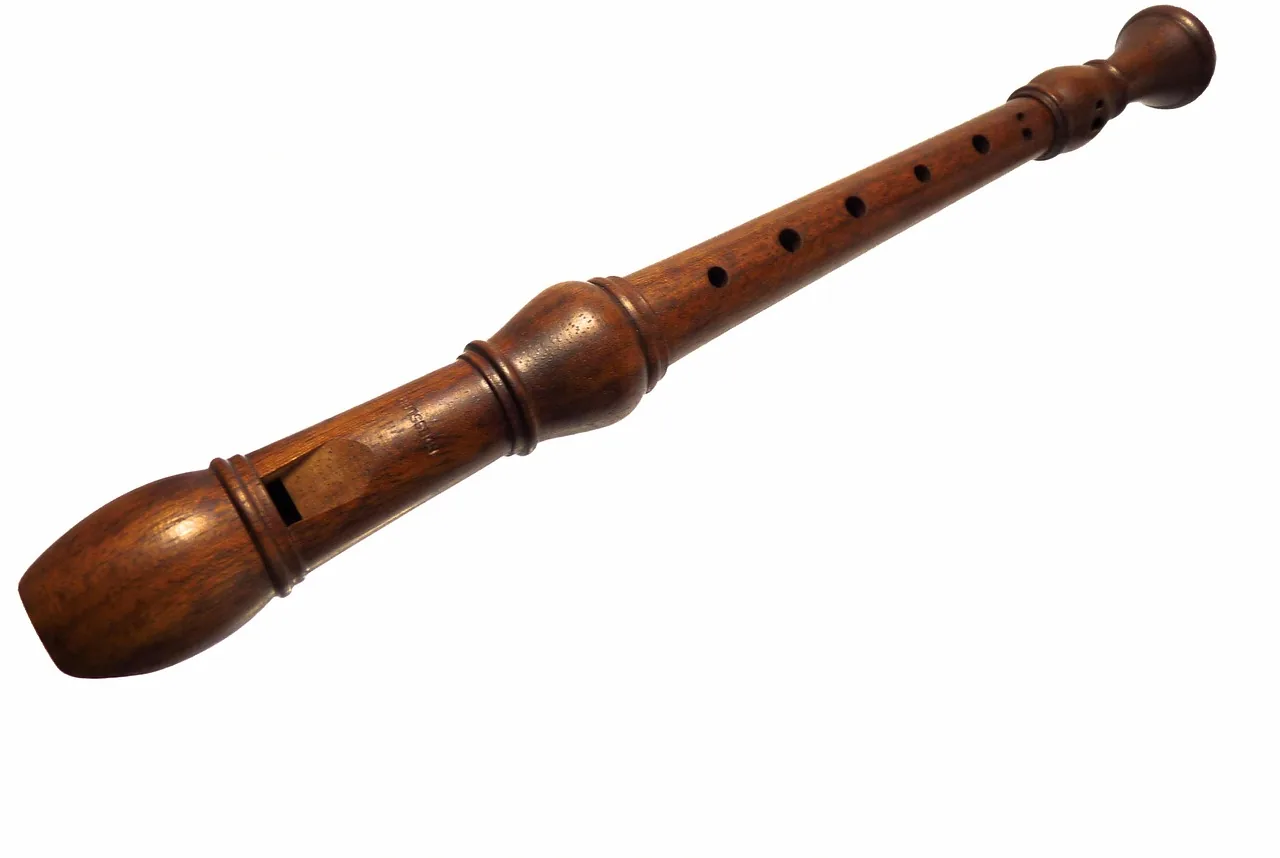
Plastic recorders are generally more affordable and less vulnerable to knocks, making them a good choice for schoolchildren. Wooden instruments cost more but can offer deeper resonance and greater scope for developing technique over time.
Types and Fingering Systems
The fingering system has a considerable effect on playing comfort and intonation. Baroque-system recorders, with their distinctive fingering, are well suited to early music, which may be played at a pitch standard of 415 Hz. German-system recorders are often used by beginners; modern ensembles may use a pitch standard of 442 Hz.
| Recorder type | Advantages | Disadvantages |
|---|---|---|
| Wooden recorder | Rich, warm sound; comfortable to hold | More delicate; higher cost |
| Plastic recorder | Sturdy, easy to maintain, affordable | Less nuanced sound |
Depending on how you plan to play, choose a soprano recorder for solo playing or an alto if you want a lower sound in an ensemble. Read specialist reviews to make an informed choice.
How to Choose a Recorder Learning Method
Choosing a suitable learning method is essential for steady progress. A good method should combine theory and practice while covering techniques such as breath control, articulation, and fingering.
Key Features of an Effective Method
A good method is clear and follows a logical progression. It should include practical exercises and suitable repertoire, ideally with guidance from a teacher. Be wary of methods that promise unusually rapid progress.
Comparing Online Resources, Books, and Lessons with a Teacher
In-person lessons allow mistakes to be corrected immediately, while online resources offer flexibility. Instructional books provide a structured foundation. A teacher’s advice can help you correct errors and stay motivated.
| Resource type | Advantages | Disadvantages |
|---|---|---|
| In-person lessons | Immediate feedback and technical corrections | Fixed schedules and higher cost |
| Online resources | Flexible and accessible | No immediate feedback |
| Instructional books | Step-by-step structure and varied exercises | No interaction |
Practical advice and videos can enrich your learning. Read other students’ reviews and consult specialist sites to help confirm your choice. For comprehensive training, you can explore professional music programs.
Playing Techniques and Practical Exercises
Mastering the recorder requires sound technical foundations and regular practice. Breath control, fingering, and articulation all help produce a clear, musical sound.
Breath Control, Fingering, and Articulation
Breath control is fundamental. You need to learn to control your breathing to maintain a consistent tone. Fingering must be precise: each finger needs to cover its hole properly. Articulation determines how each note begins.
Progressive Exercises and Suitable Repertoire
Exercises should build gradually: begin with simple scales, then add melodies. For beginners, pieces such as “Engels Nachtegaeltje” offer useful practice. Well-structured pieces like these help develop basic techniques.
| Exercise type | Purpose | Benefits |
|---|---|---|
| Scales | Improve dexterity | Strengthen coordination |
| Arpeggios | Develop fluency | Give the fingers balanced practice |
| Simple melodies | Bring techniques together | Put them to use in a musical context |
Alongside exercises, video tutorials can offer practical tips. Explore these resources to help you practice effectively.
Why Personal Guidance and Professional Lessons Matter
Personal guidance plays an important part in learning the recorder. Working with an experienced teacher helps you correct technical mistakes and stay motivated.
The Benefits of Direct Feedback
A teacher can identify problems with breath control or fingering and suggest appropriate solutions. For example, they can help a beginner improve articulation or control their breathing more effectively.
In-person lessons also provide a motivating setting. A teacher can encourage students and offer individual advice that is difficult to obtain from online resources.
Over time, this support can help you gain greater control of the instrument and progress more quickly. Regular feedback also helps prevent poor habits from taking hold.
When choosing a teacher, look for someone experienced in teaching the recorder. Arrange regular sessions, ideally once a week, to maintain steady progress.
Making the Most of Practice Time and Choosing Repertoire
Organizing your practice time helps you make progress on the recorder. Carefully chosen repertoire keeps you motivated and lets you hear how your playing develops.
Tips for Effective Practice Sessions
Regular practice, even in short sessions, is more beneficial than long, irregular sessions. Set aside a daily slot, perhaps 20 minutes, and focus on specific exercises. Work on breath control and fingering separately before bringing them together in melodies.
Use a metronome to improve your rhythm and recordings to assess your progress. Resources like these are available on sites such as Orchestre de Caen.
Pieces for a First Performance
Choose pieces that keep you motivated. “Engels Nachtegaeltje” and excerpts from Telemann’s Partita can give beginners material to explore. These structured pieces let you develop techniques while discovering classical music.
Increase the difficulty gradually. Start with simple melodies, then introduce technical challenges. This builds confidence and prepares you for future performances.
Conclusion
With its rich history and varied repertoire, the recorder offers a chance to combine technique and musical expression. To make steady progress, choose a method that suits your needs, whether that means in-person lessons, online resources, or instructional books.
Combining theory, practice, and personal guidance supports successful learning. A structured method with exercises and pieces for different skill levels can help you master essential techniques such as breath control, fingering, and articulation.
Take time to choose a method that matches your musical goals. Explore additional resources or contact an experienced teacher for individual advice. A love of the recorder grows through patience and regular practice. You can also discover new sheet music and join online communities to share your experiences. Pick up your recorder and play!
FAQ
What are the best ways to learn the recorder?
What is the difference between a plastic and a wooden recorder?
How can I improve my breath control on the recorder?
Which exercises are recommended for beginners?
How do I choose a recorder for a child?
How does regular practice affect recorder learning?
What are the benefits of playing the recorder?
How do I read recorder sheet music?
How should I care for a recorder?
How do I choose a recorder teacher?
Source Links
- https://createmusic.org.uk/for-children-and-young-people/lessons-at-school/the-instruments-we-offer/recorder/
- https://www.wikihow.com/Play-the-Recorder
- https://musicteachers.co.uk/
- https://www.trinitycollege.com/qualifications/music
- https://www.superprof.com/lessons/recorder/united-states/
- https://www.orchestredecaen.fr/debuter-la-flute-a-bec-guide-pour-les-novices/
- https://www.orchestredecaen.fr/choisir-sa-premiere-flute-a-bec-conseils-utiles/
- https://www.metmuseum.org/essays/the-recorder
- https://www.earlymusicamerica.org/
- https://www.musicnotes.com/blog/how-to-read-sheet-music/
- https://www.carnegiehall.org/Education
- https://www.musicmark.org.uk/
- https://www.juilliard.edu/music
- https://www.pianote.com/blog/how-to-play-piano/
- https://www.gsmd.ac.uk/study-with-guildhall/music
- https://www.berklee.edu/
- https://www.britannica.com/art/recorder-musical-instrument
- https://www.artsedsearch.org/