
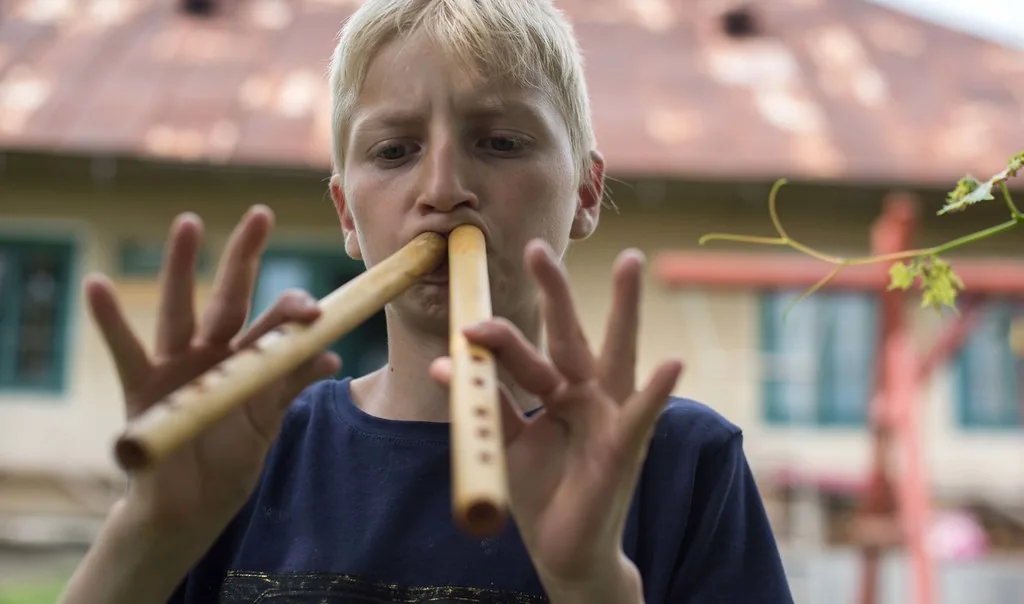

The recorder, with its captivating sound, has endured from antiquity to the present day. With its rich history, it has left its mark on periods as varied as ancient Egypt, ancient Greece, the Middle Ages and the Renaissance. Today, it holds a special place in music education, particularly for young beginners.
A versatile instrument, the recorder has adapted over time. From religious music to chamber music, it has found a place in many repertoires. Its popularity peaked during the Renaissance, when it became a mainstay of polyphonic music. Although its use declined in the eighteenth century, interest revived in the twentieth century, notably through contemporary composers such as Luciano Berio and Keith Jarrett.
The recorder is much more than a simple instrument. It symbolizes a journey through the ages and across cultures and continents. From Egypt to Europe, it has evolved and become part of different musical traditions. Today, it continues to captivate musicians and music lovers worldwide, demonstrating its universal appeal.
In the following sections, discover how this emblematic instrument has evolved, how it is played and how it has influenced world music. A musical journey that promises to delight your ears and spark your curiosity.
Introduction and historical context
With its captivating sound, the recorder has endured for millennia, from antiquity to the modern era. With its rich history, it has left its mark on periods ranging from ancient Egypt to the European Renaissance.
The instrument’s origins: From ancient times to the Renaissance
The earliest traces of the instrument date back to ancient Egypt and Greece. Used in rituals and entertainment, it played a central role in religious ceremonies and public festivities. It enjoyed renewed popularity in the Middle Ages before becoming part of Renaissance polyphonic music.
The instrument’s role in musical traditions
Highly versatile, it has evolved to suit different settings. From religious music to chamber music, it has found a place in varied repertoires. Its popularity peaked during the Renaissance, when it became a mainstay of polyphonic music.
Traditionally made from wood and other materials, it symbolizes a journey through the ages. From Egypt to Europe, it has become part of different musical traditions. Today, it continues to captivate musicians and music lovers, demonstrating its universal appeal.
- Ancient origins: Egypt and Greece.
- Early uses: ancient rituals and entertainment.
- Medieval revival: incorporation into polyphonic music.
- Role in musical traditions: sacred and secular music.
- Traditional construction: wood and other historical materials.
The connection between the instrument’s history and changing musical practices is clear. Historical sources trace its journey from antiquity to the modern era. Its role in introducing children to music makes it an emblematic teaching instrument.
The instrument’s longevity shows how readily it adapts. Historical circumstances and technical innovations have shaped its construction, making it a lasting presence in music around the world.
To learn more about this emblematic instrument, see this dedicated page.
The recorder and world music: An introduction
With its rich sound, this instrument has crossed cultural and geographical boundaries. It appears in varied musical repertoires and has adapted to different traditions.
International cultural impact
The recorder has left its mark on many cultures. From ancient Egypt to Europe, it has evolved to suit different musical settings. Today, it continues to captivate musicians and music lovers worldwide.
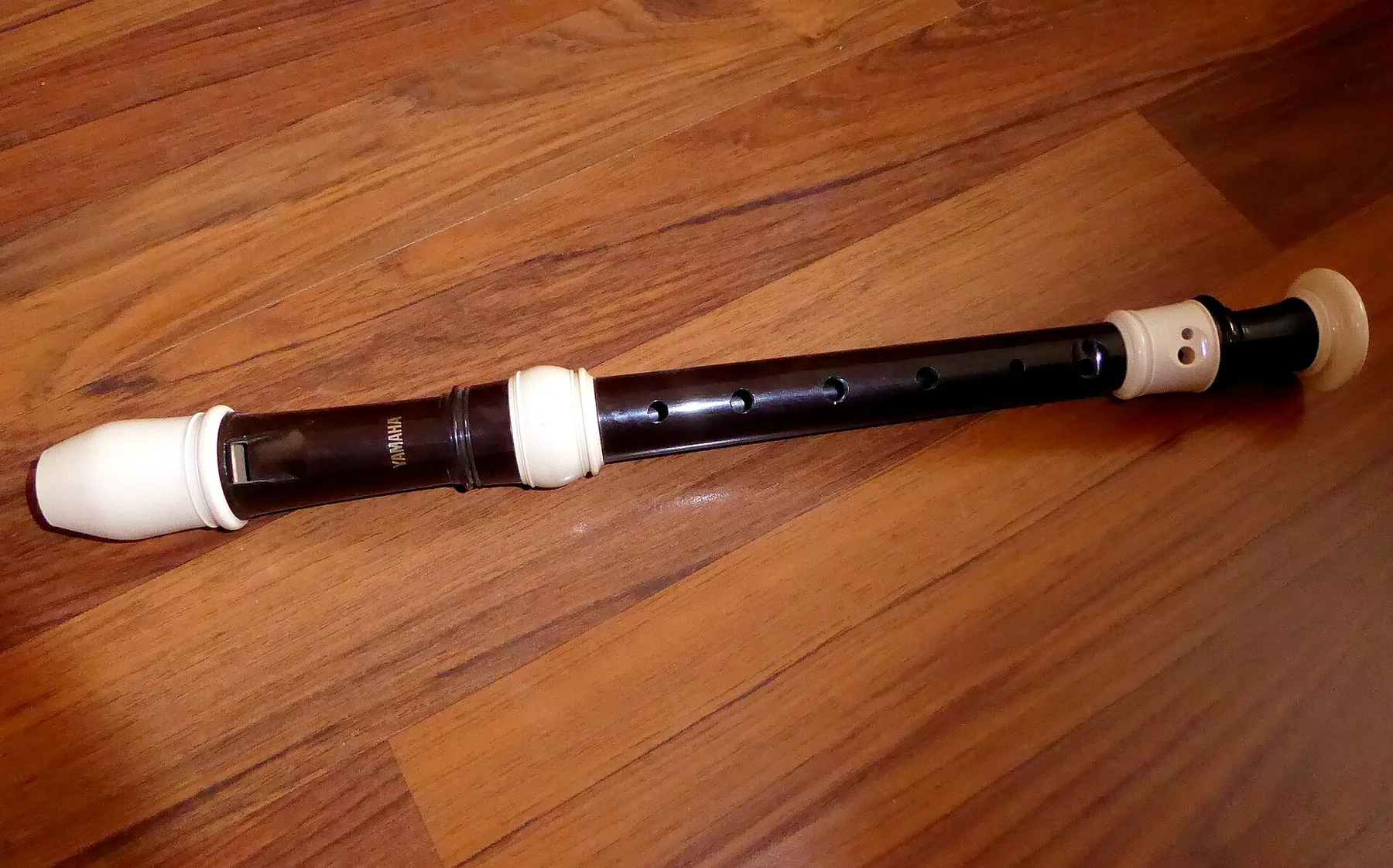
A versatile instrument, it has found a place in repertoires ranging from religious music to chamber music. Its popularity peaked during the Renaissance, when it became a mainstay of polyphonic music.
Its educational role and influence on teaching
The recorder holds a special place in music education. An ideal beginner’s instrument, it lets young students discover the fundamentals of music. Its simple design makes it an effective teaching tool.
Experiences in schools show that learning this instrument encourages musical discovery. It contributes to students’ cultural development and musical training.
Today, the recorder is taught in specialist conservatories. It also appears in contemporary repertoires, from pop to jazz. This instrument continues to cross boundaries, demonstrating its universal appeal.
Playing technique and mastery
The recorder combines apparent simplicity with technical complexity. Mastering its subtleties requires precise coordination of breath, articulation and fingers. This coordination produces a sound that is both controlled and expressive.
Coordinating breath, articulation and fingers
Breath is central to producing sound. Deep, steady breathing helps maintain constant air pressure. Articulation shapes the start and tone of each note. Fingers must move nimbly to cover the holes and produce the desired pitches. With regular practice, musicians develop the precise coordination needed for a controlled performance.
Comparing German and Baroque fingering
German and Baroque fingering differ in their layouts and effects on intonation. The more recent German system aims to make basic fingering straightforward, while the historical Baroque system offers a distinctive expressive range. Each system affects how the instrument is played and how it sounds, giving musicians different possibilities for expression.
To explore these techniques further, see this discussion of the basics.
Construction, materials and varieties of the instrument
The recorder, with its captivating sound, has endured from antiquity to the present day. With its rich history, it has left its mark on periods as varied as ancient Egypt, ancient Greece, the Middle Ages and the Renaissance.
Types of wood and other traditional materials
Recorder making relies mainly on carefully selected woods. Materials such as grenadilla, boxwood and reed are valued for their acoustic qualities. Combined with longstanding craftsmanship, they make it possible to create instruments that are both attractive and rich in sound.
How models and sizes have evolved
Over the centuries, the recorder has evolved to meet musicians’ needs. Today, models come in many sizes, from soprano to contrabass, each with its own range. This variety opens up a broad repertoire, from Baroque to contemporary music.
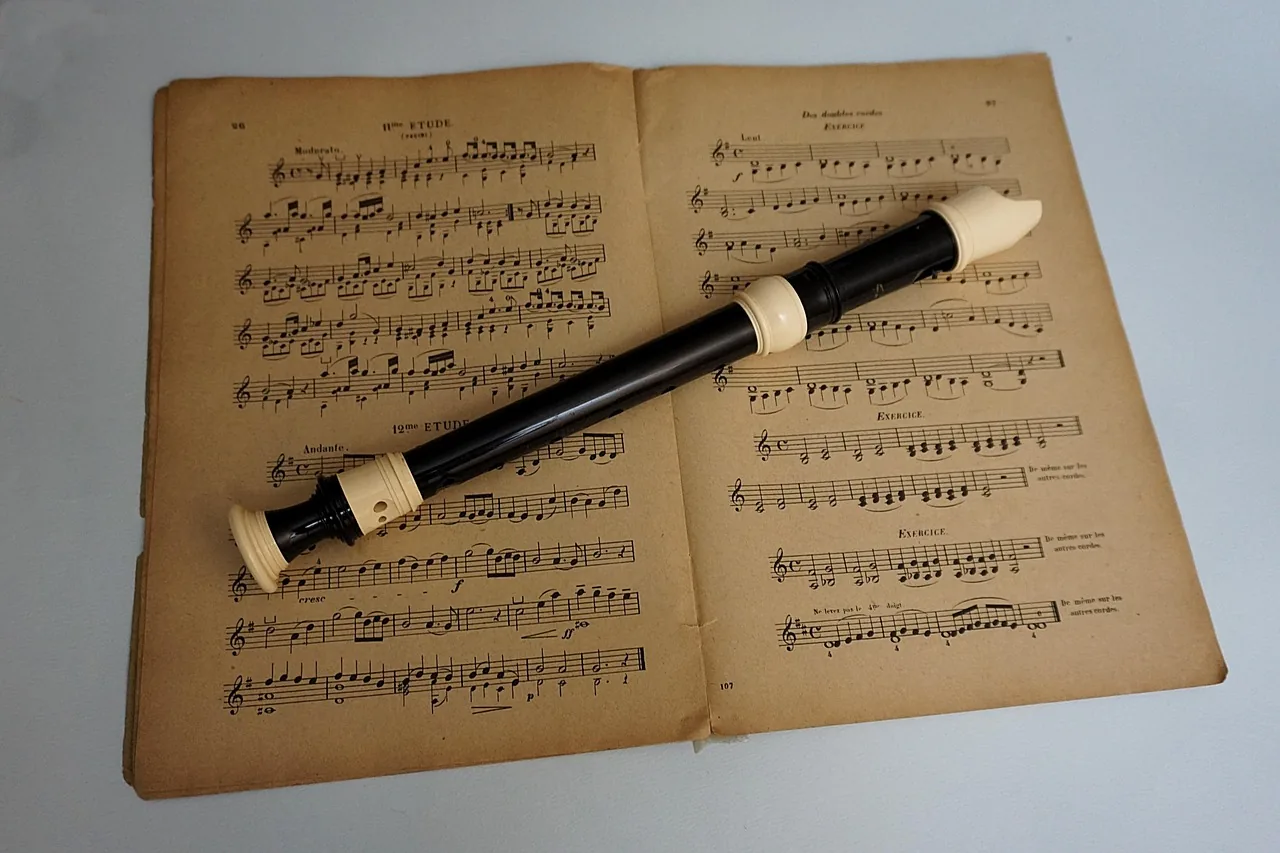
The recorder is much more than a simple instrument. It symbolizes a journey through the ages, cultures and continents. From Egypt to Europe, it has evolved and become part of different musical traditions.
- Types of wood: grenadilla, boxwood, reed.
- Range of sizes: from soprano to contrabass.
- Rare materials: use of exotic woods.
To learn more about the construction and history of this instrument, see this educational resource or explore a beginner’s guide.
The recorder’s influence and evolution over time
Since antiquity, the recorder has come a long way, continually adapting to musical and cultural needs. Today, this emblematic instrument crosses boundaries and shows a remarkable ability to adapt to contemporary practices.
From the classroom to contemporary performance
Historically associated with music education, the recorder has evolved significantly. Initially used as a teaching instrument, it is now also established as a versatile artistic instrument. This shift reflects new artistic approaches and innovations in teaching.
Contemporary musicians explore new techniques, pushing the instrument’s technical and artistic limits. A musician’s age and maturity can also shape the development of their sound, allowing for greater expression. This evolution presents challenges, including the technical adjustments needed for expressive playing.
| Period | Characteristics | Influence |
|---|---|---|
| Antiquity | Use in rituals | Cultural foundation |
| Renaissance | Instrument used in polyphonic music | Growth of chamber music |
| Contemporary era | Innovations in teaching and technique | Universal appeal and adaptability |
The recorder has retained its cultural value despite past criticism. Today, its renewed image attracts new audiences. To learn more about the instrument, see the Wikipedia page.
The recorder embodies a living musical heritage, evolving while honoring its roots. It continues to captivate musicians and music lovers, demonstrating its universal appeal and adaptability.
Conclusion
Since antiquity, this instrument has come a long way, constantly evolving to meet musical and cultural needs. From ancient Egypt to the present day, it has renewed itself while preserving its heritage.
The recorder holds a central place in music education, particularly for children. Using it in the classroom offers an enjoyable introduction to the fundamentals of music. Contemporary musicians continue to explore it, bringing in modern techniques while respecting its roots.
This instrument symbolizes a journey through the ages. From the Renaissance to the contemporary era, it has evolved to suit different musical settings. Its adaptation to current practices makes it a versatile artistic instrument.
The recorder is more than a simple instrument. It embodies a rich musical heritage that influences both culture and education. Its role in classrooms remains important, giving students a way into the world of music.
This emblematic instrument continues to captivate musicians and music lovers. Its ability to cross eras and cultural boundaries makes it a lasting companion in music around the world.
FAQ
How do you play the recorder?
What materials are used to make a recorder?
How has the recorder evolved over time?
What cultural impact has the recorder had around the world?
At what age can someone start learning the recorder?
Are there different sizes of recorder?
Source links
- https://en.wikipedia.org/wiki/Recorder_(musical_instrument)
- https://www.yamaha.com/en/musical_instrument_guide/recorder/
- https://www.conservatoriumvanamsterdam.nl/en/study/classical-music/principal-subjects/woodwinds/recorder/
- https://www.baltimorerecorders.org/html/instruments/recorderhistorys.html
- https://en.wikipedia.org/wiki/Paleolithic_flutes
- https://www.rcm.ac.uk/hp/professors/details/?id=96020
- https://caslabs.case.edu/medren/medieval-instruments/recorder-baroque/
- https://americanrecorder.org/how_to_play_the_recorder.php
- https://americanarchive.org/challenge?destination=%2Fcatalog%2Fcpb-aacip-ea19c0321cc
- https://www.horniman.ac.uk/object/M10-1983/
- https://recorderhomepage.net/history/innovations-in-recorder-design/
- https://www.essentialvermeer.com/music/recorder.html
- https://digital.library.unt.edu/dam/?next=%2Fark%3A%2F67531%2Fmetadc663611%2F
- https://instruments-du-monde.com/en-us/blogs/ocarina/difference-flute-ocarina
- https://www.metmuseum.org/essays/music-in-the-renaissance