
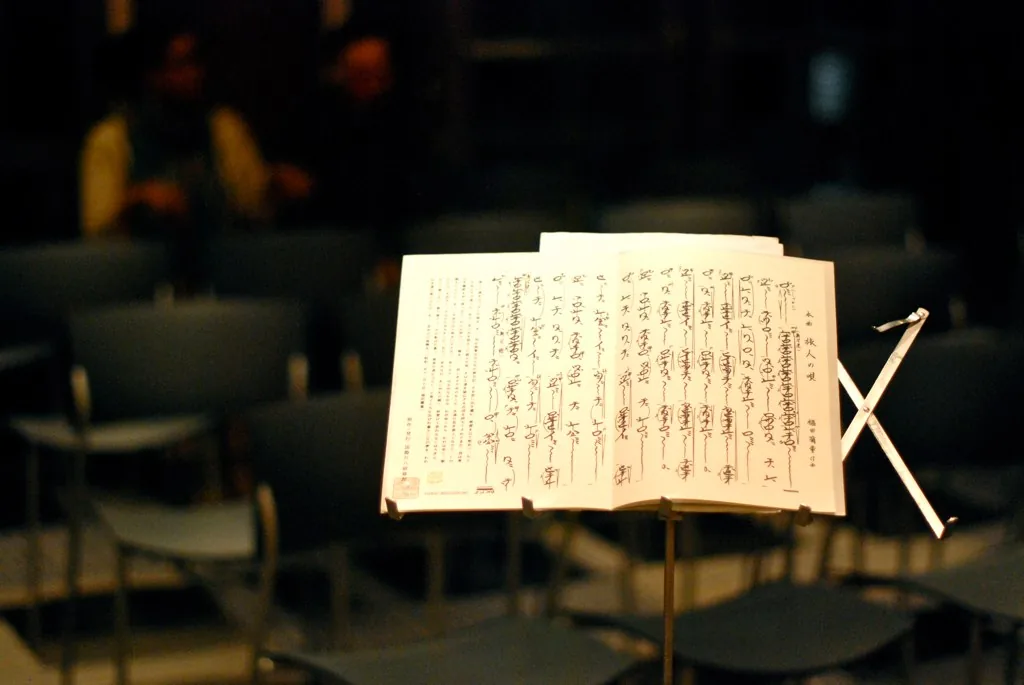

The recorder, a wind musical instrument, has a long history in Western music. Present for nearly 600 years, it continues to be enjoyed in concert and lends itself to exciting musical interpretations. Patricia Lavail, a renowned recorder player, shares her experience of the recorder across different repertoires, from medieval music to contemporary music.
The recorder is a versatile musical instrument that allows players to express themselves in captivating concerts. The recorder’s gentle, moving melodies add a distinctive dimension to concerts and captivate audiences with their melodious sound.
If you are passionate about music and want to play an instrument, the recorder is an excellent choice. It is easy for beginners to learn and offers many opportunities for musical expression, whether played alone or in a group.
Don’t miss the national recorder gathering, an essential musical event for everyone who loves this instrument. Attend exceptional concerts, discover new repertoire and meet other recorder enthusiasts. Let the magic of music carry you into the enchanting world of the recorder.
Playing the recorder in concert is a unique experience that lets you share your passion for music with an audience. Take the opportunity to explore this fascinating instrument’s vast repertoire.
The history of the recorder
The recorder is a musical instrument with a fascinating history in Western music. Its origins date to around the 12th century, when it was played mainly at home or during religious services. Its gentle, melodious sound was especially well suited to sacred music.
In the 17th century, playing music for pleasure became increasingly common. Musicians began exploring new sounds and developing new repertoire. The recorder subsequently declined, however, and was set aside for a time in favor of other instruments.
“The recorder was unfairly forgotten for a time, but it has regained its place in Western music thanks to passionate musicians who rediscovered the instrument and helped revive it.” — Patricia Lavail
The 20th century was decisive in bringing the recorder back to the musical stage. Musicians researched old scores and brought forgotten pieces back to life. Today, they value the recorder for its distinctive tone and its ability to perform a wide range of repertoire, from medieval to contemporary music.
To learn more about the recorder’s fascinating history, read the Radio France Musique article featuring renowned recorder player Patricia Lavail.
The recorder: a rich past in the service of music
The recorder has a long history in Western music and has played a significant part in music’s development. It has accompanied changing musical styles and social and cultural shifts, and has been played by many talented musicians over the centuries.
Thanks to its versatility and distinctive tone, the recorder remains valued in ensembles, recordings and concerts. Its characteristic sound gives the music it plays a special quality and leaves a lasting impression on listeners.
How the recorder works
The recorder, a wind instrument used in Western music, works like a whistle attached to a tube with holes. At one end is the mouthpiece, which contains a wooden block that directs the airflow and produces the recorder’s characteristic sound. The player blows gently into the mouthpiece, causing the air inside the tube to vibrate.
The number of covered holes determines the note produced. The more holes are covered, the lower the note. Conversely, covering fewer holes produces notes of higher pitch. The size of the recorder’s holes also affects the pitch of its notes. By covering the holes partly or completely with their fingers, the recorder player can play different notes while adjusting air pressure and finger position.
The recorder is a versatile instrument capable of producing a wide range of notes, from low to high. Its ability to play across several octaves makes it a popular choice for many kinds of repertoire, including Baroque, folk and contemporary music.
To learn more about the recorder, read this article featuring the expertise of Maurice Steger, a talented recorder player who shares his passion for the instrument.
Basic fingering chart
| Note | Hole |
|---|---|
| C | 1 |
| D | 2 |
| E | 3 |
| F | 4 |
| G | 5 |
| A | 6 |
| B | 7 |
| High C | 8 |
By changing which holes are covered, players can produce all the notes of a scale on the recorder. With training and practice, they can master the fingerings needed to play different melodies and explore a richer repertoire.
Learning to play the recorder
Learning the recorder is accessible to beginners, who can play simple melodies from their first lessons. The challenges increase as they progress, however. The recorder’s lack of keys can present an additional difficulty and calls for precise control of fingering and technique.
To overcome these challenges, lessons with an experienced teacher are highly recommended. A good recorder teacher can guide students through each stage of their progress with personalized advice and exercises suited to their level. The teacher can also help them refine their technique, develop their musicianship and explore different musical styles.
Working with a teacher also helps students tackle reading music, understanding dynamics and coordinating their breathing with their finger movements. The teacher can correct mistakes and offer advice on improving the accuracy and quality of their playing.
Playing the recorder can be exciting and rewarding, but developing skill takes time and patience. With an experienced teacher’s help, students can progress at their own pace and reach their musical goals.
The benefits of recorder lessons
Taking recorder lessons with an experienced teacher offers many benefits, including:
- Rapid progress tailored to the student’s level
- Personalized correction of technical mistakes
- Development of musicianship and interpretation
- Learning different musical styles
In short, learning the recorder takes time, patience and guidance from a good teacher. Quality instruction helps students overcome challenges and improve their command of this fascinating instrument.
The benefits of playing the recorder in concert
Playing the recorder in concert lets musicians share their passion for music with an audience. It is a special moment when the pleasure of playing meets musical interpretation. Concerts showcase the recorder player’s skills and talent while offering listeners a memorable experience.
By performing in concert, the recorder player can express their passion for music in an authentic, captivating way. The stage becomes a place to share emotion and creativity as the artist connects with the audience through their performance. The recorder is a versatile instrument with a place in many genres, from classical to modern music, making for a rich and varied experience.
“Playing the recorder in concert lets me connect with my instrument in a unique way. I love sharing my passion for music with the audience and giving them moments of emotion and escape.” — Patricia Lavail, renowned recorder player
Playing the recorder in concert also offers an opportunity to demonstrate technical skill and interpretive talent. Concerts demand careful preparation, during which players can work on expressiveness, intonation and dynamics. The challenge helps musicians push themselves and grow as artists.
Finally, playing the recorder in concert can create unforgettable memories for the audience. Moments of live performance offer a unique experience: the music comes to life and emotions are shared. Whether solo, in a group or with an orchestra, recorder concerts offer opportunities to connect deeply with listeners and leave a lasting impression.
In short, playing the recorder in concert is an exciting experience for musicians who want to share their love of music. It lets them connect with audiences, show their talent and create lasting memories. On a large stage or in an intimate venue, recorder music can move and delight those who hear it.
Learning the recorder through private lessons
Taking private lessons in the recorder offers many benefits. First, these lessons help students build a trusting relationship with a dedicated, capable teacher, who can provide guidance tailored to each student’s needs and goals.
Another major benefit of private lessons is the greater attention each student receives. With individual guidance, the teacher can take time to identify strengths and difficulties, then focus on areas that need improvement.
Progress is also central to private lessons. An individual approach lets the teacher adapt lesson content and exercise difficulty to each student’s level. Whether you are a beginner or an advanced player, private recorder lessons offer the flexibility that supports steady, lasting progress.
Allegro Musique is a well-known organization offering private recorder lessons taught by skilled professionals. Its lessons are open to all levels, from beginners to advanced musicians. Whether you want to learn the basics or refine your technique, private lessons can meet your needs.
These private lessons also offer considerable flexibility. You can choose the timing and frequency of lessons to suit your schedule, allowing you to progress at your own pace.
Conclusion
Playing the recorder in concert is an exciting experience with many musical and personal benefits. This versatile musical instrument lets musicians share their love of music with an audience and create memorable performances.
Whether you are a beginner or an advanced player, playing the recorder can be enriching and satisfying. Its varied repertoire and its ability to suit different kinds of concerts make it an ideal choice for passionate musicians. Playing the recorder also develops musical skills, including command of notes and playing technique.
Music lovers who want to start playing the recorder or improve their skills can consult the special flute teaching repertoire for 2022–2023. This document offers a comprehensive selection of pieces for all levels, from beginner to expert, helping musicians discover new works and broaden their repertoire.