
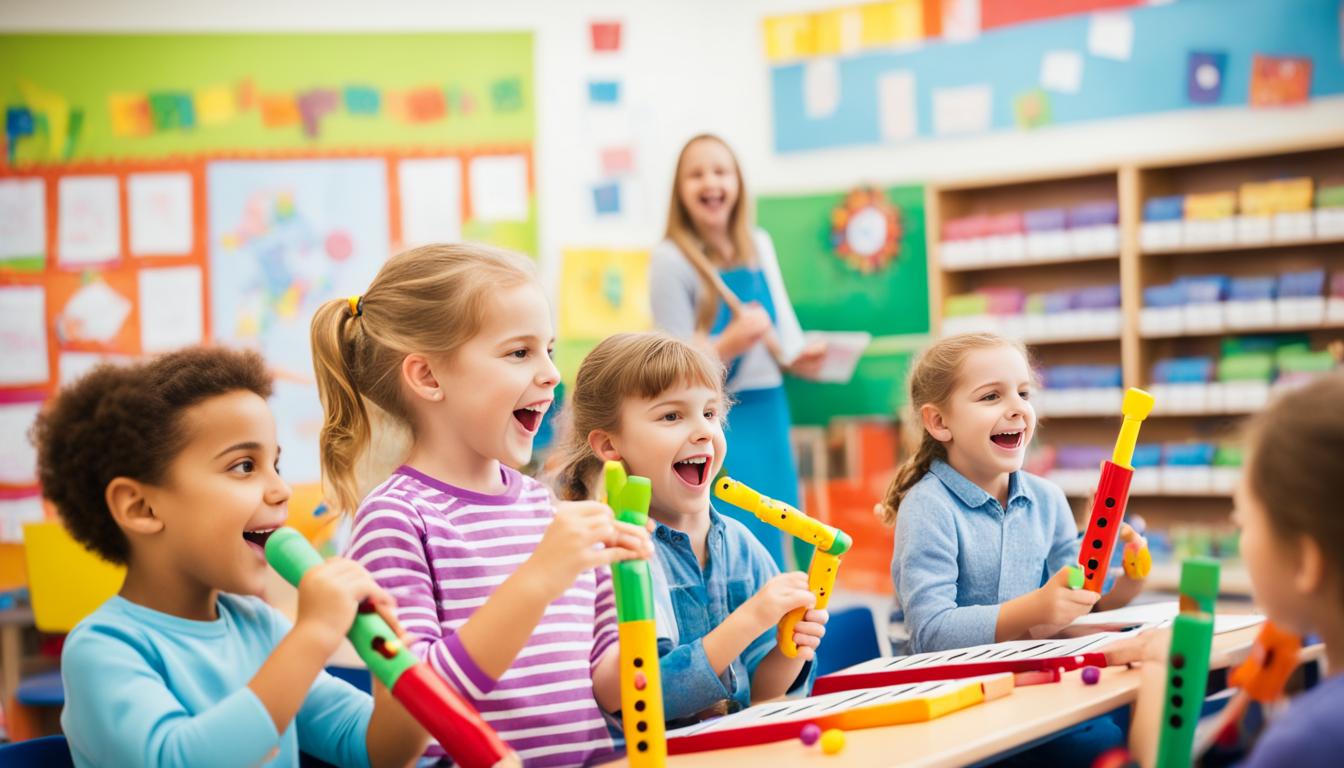

The recorder for children is a musical instrument designed for young learners. It plays an important role in their music education by helping them develop skills from an early age. With a recorder, children can learn the basics of music and gain practical skills using an instrument that is easy to handle. Recorder lessons for children are also available in a structured, enjoyable learning environment.
The recorder for children offers young musicians many benefits. Sized for small hands, it is easy to use. Made of plastic, it is durable and resistant to knocks. Its playful appeal also makes it a musical toy that helps children develop their creativity and imagination. It is an excellent practical introduction to wind instruments.
Children can learn the recorder through specialized lessons. These lessons provide structured teaching suited to young aspiring musicians. Children learn the basics of reading notes, rhythm, and the different fingerings used on the recorder. Accessories such as protective cases and cleaning kits are also available to help the instrument last and make it easier to use.
Early music education, including an introduction to the recorder, offers young children many benefits. It helps develop their sense of rhythm, listening skills, and motor coordination. Learning music may also improve their cognitive abilities by stimulating creativity and intelligence. Early music education has also been shown to help develop social skills such as collaboration and self-confidence.
The recorder for children plays an essential role in music education. Sized for small hands, it lets children explore and develop their musical talent from an early age. Recorder lessons for children provide a structured and entertaining learning experience that contributes to their cognitive, emotional, and social development. Early music education with the recorder introduces them to the world of music and helps them grow as artists.
Source: Radio France
Benefits of the recorder for children
The recorder offers children several benefits. First, it is designed for small hands, making it easier to use. Beginner recorders are also often made of plastic, which makes them more durable and less likely to be damaged by clumsy handling.
Besides being a musical instrument, the recorder can be considered a musical toy for children that helps young musicians develop their creativity and imagination. It also provides a practical introduction to the blowing and fingering techniques used with other wind instruments.
With a recorder, young musicians can begin exploring the world of music. They can experiment with different sounds and create their own melodies, encouraging their musical development from an early age.
The recorder for children is both a musical instrument and a way for young musicians to express themselves and develop their musical identity.
Playing the recorder can also help children develop fine motor skills because the instrument requires precise control of the fingers and breath. Practising can improve their concentration and listening skills as they learn to play different notes and follow a rhythm.
By choosing the recorder as a musical instrument for children, parents give them a fun, educational activity that supports their artistic and musical development. Often affordable and easy to find, the recorder is an ideal choice for families who want to introduce their children to music.
To learn more about the importance of music education for children, you can read this article, which explores the benefits of learning music in childhood.
Learning the recorder as a child
Children can learn the recorder through specialized lessons. These lessons provide structured teaching suited to young aspiring musicians. Children learn the basics of reading notes, rhythm, and the different fingerings used on the recorder. Accessories such as protective cases and cleaning kits are also available to help the instrument last and make it easier to use.
Specialized lessons for structured learning
Recorder lessons for children use a teaching method suited to their age and level of understanding. Guided by experienced teachers, children build a solid musical foundation and learn recorder playing techniques. They learn to read notes, follow the rhythm, and use the right fingerings to produce melodic sounds.
“Learning the recorder through specialized lessons lets young musicians gradually develop their musical skills while receiving guidance suited to their level and specific needs.” — Patricia Lavail, music education expert
Accessories that support learning
Various accessories can support children as they learn the recorder. They improve the experience and help protect the instrument. Protective cases keep the recorder in good condition when it is not in use, while cleaning kits make regular cleaning easier. These accessories help children practise in good conditions and extend the recorder’s lifespan.
To learn more about how children learn the recorder, read this article by Patricia Lavail, an expert in music education.
| Benefits of learning the recorder as a child | Accessories that support learning |
|---|---|
| Structured teaching suited to young aspiring musicians | Protective cases for lasting use |
| Development of note-reading and rhythm skills | Cleaning kits for easy care |
| Use of the correct fingerings |
The benefits of early music education
Early music education, including an introduction to the recorder, offers young children many benefits. It lets them discover the beauty of music while supporting their development in several areas.
A sense of rhythm is one of the key skills developed through early music education. By playing the recorder and exploring different rhythms, children learn to recognize, reproduce, and create musical patterns. This skill, which develops from an early age, is essential for learning various artistic disciplines. It can also support physical development by improving motor coordination.
Early music education can also improve children’s cognitive abilities. Studies have shown that learning music stimulates creativity and intelligence by encouraging children to think creatively and solve problems in unconventional ways. By exploring different sounds and using their creativity, young musicians can develop their artistic potential and ability to think originally.
Early music education also has a positive effect on children’s social skills. Playing the recorder and taking part in music lessons gives them opportunities to collaborate with other musicians. They learn to exchange ideas, listen actively, and work as a team. These activities strengthen their ability to collaborate and their self-confidence.
Early music education with the recorder thus contributes to young children’s overall development: it builds their sense of rhythm, stimulates their creativity, and strengthens their social skills. It is an engaging and enjoyable way to introduce them to music and help them grow as artists from an early age.
To learn more about opportunities to teach music, visit metiers-quebec.org, which provides detailed information about careers in music education.
| Benefits of early music education |
|---|
| Development of a sense of rhythm |
| Stimulation of creativity and intelligence |
| Stronger social skills |
Conclusion
The recorder for children plays an essential role in music education. Sized for small hands, it lets children explore and develop their musical talent from an early age. Recorder lessons for children provide a structured and entertaining learning experience that contributes to their cognitive, emotional, and social development. Early music education with the recorder introduces them to the world of music and helps them grow as artists.